Nearly three decades after his first major UK survey filled the same space, Anish Kapoor has returned to the Hayward Gallery with an exhibition that takes over the entire building. Curated by Ralph Rugoff as the closing act of his twenty-year directorship, the show is the centrepiece of the Southbank Centre's 75th anniversary programme, running until 18 October 2026. It is, by any measure, one of the most important exhibitions in London this year.
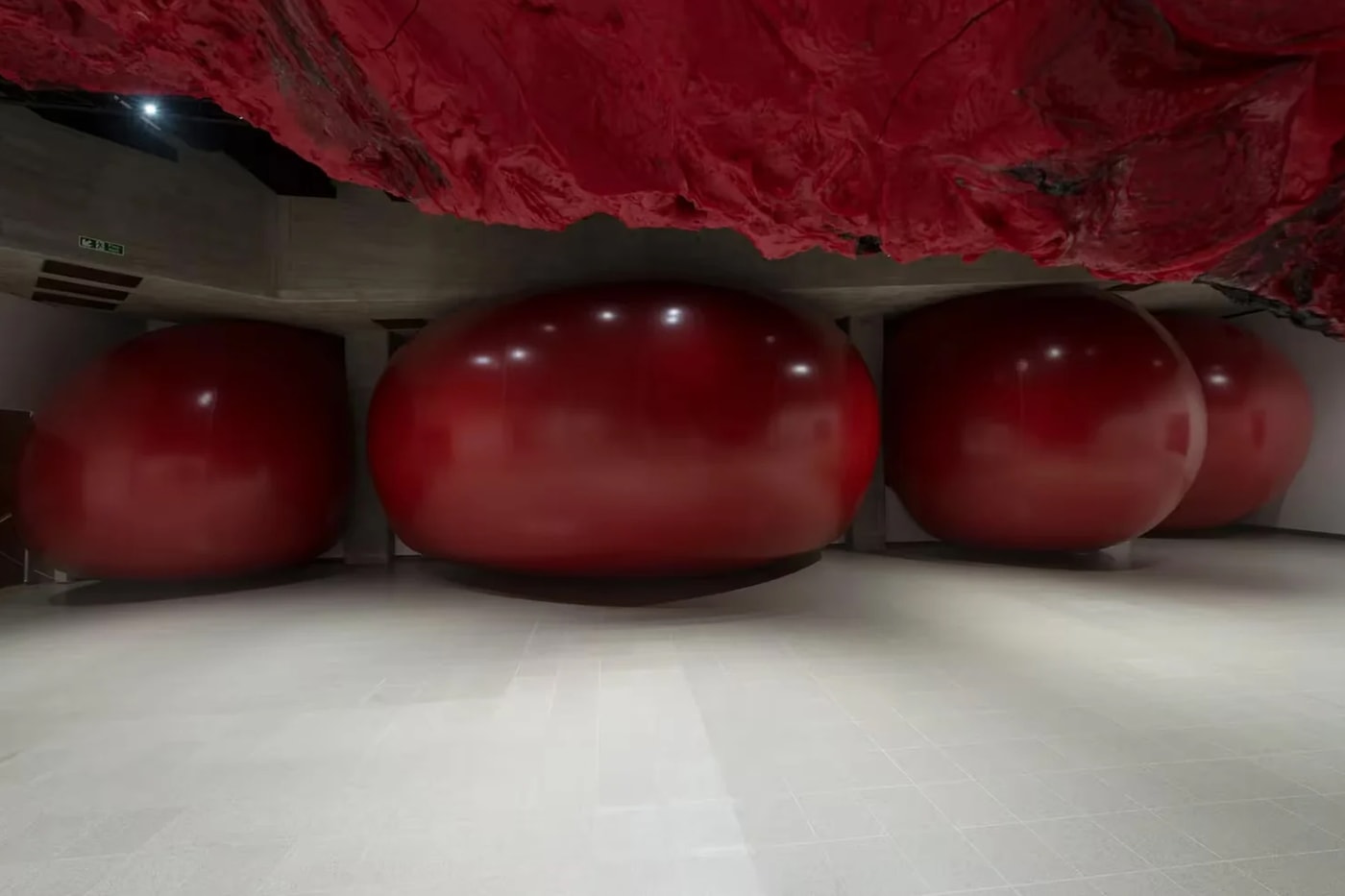
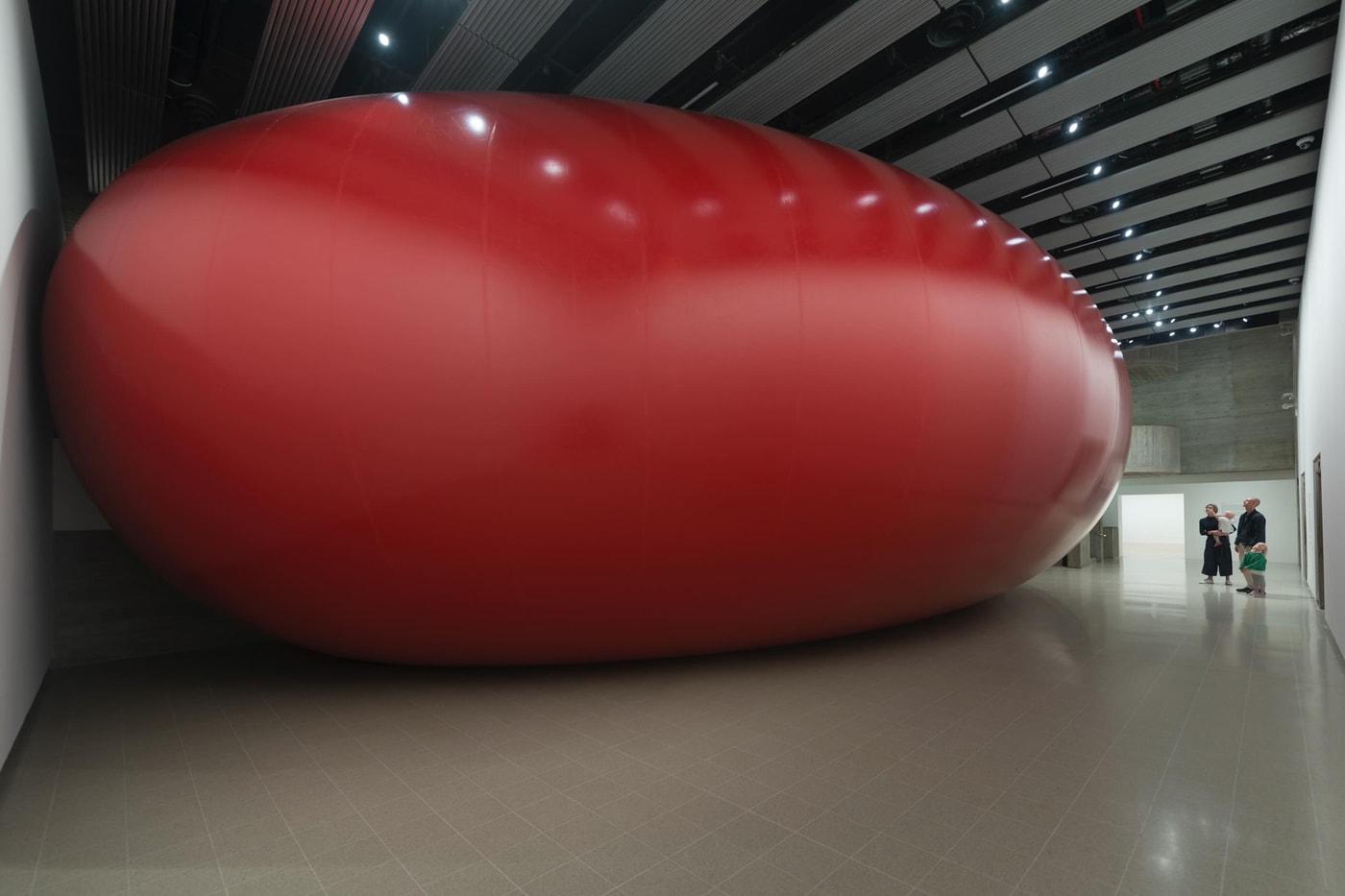
The encounter begins with a shock. A six-metre-high inflatable PVC form, titled All of Nothing, fills the entrance gallery so completely that visitors must navigate around it. The crimson mass presses against the brutalist concrete walls, bulging into corners with an unease that suggests it might burst at any moment. It is Kapoor at his most theatrical: big, bold, and unapologetically occupying space.
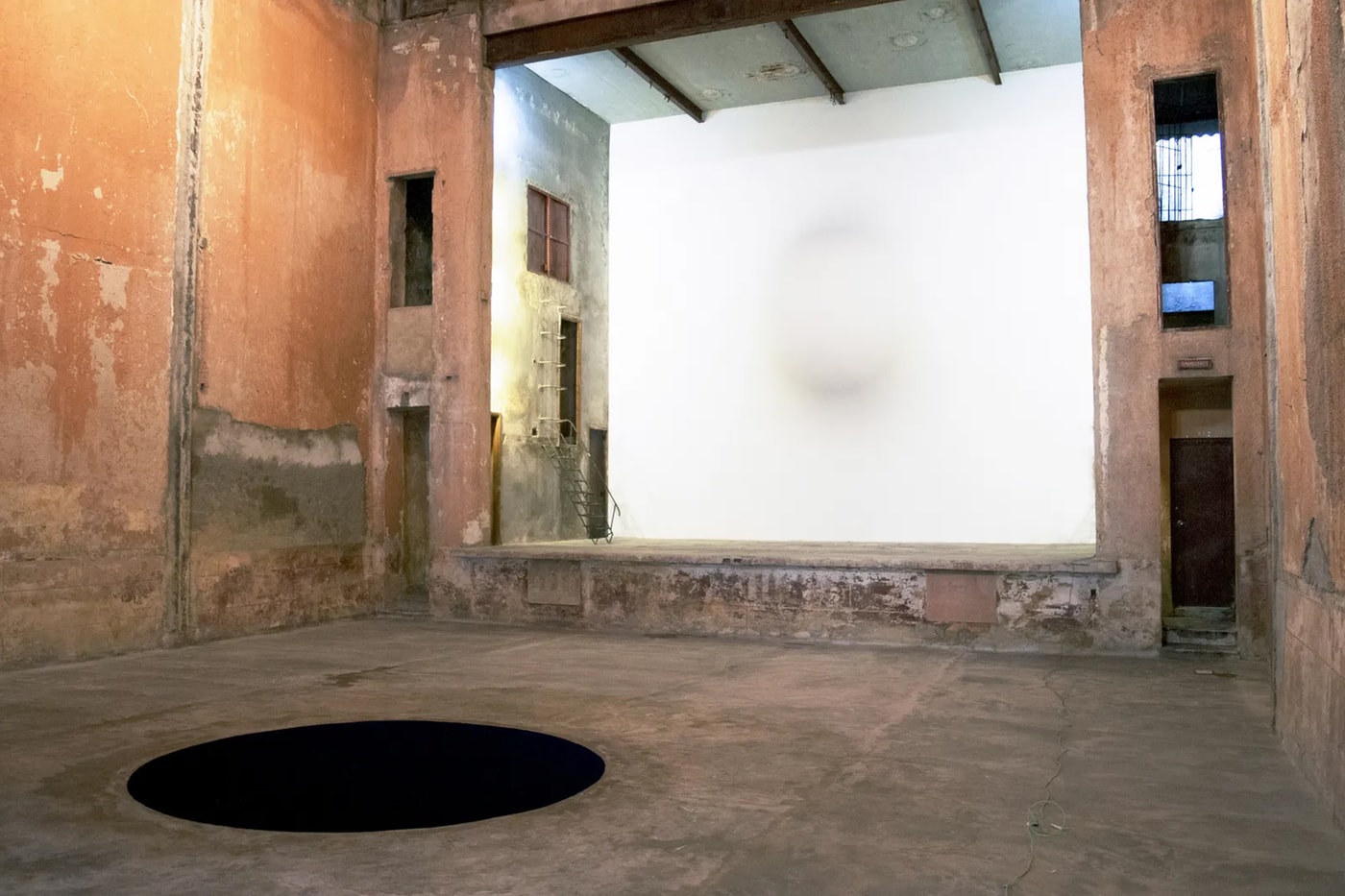
From there, the exhibition unfolds as a study in extremes. Kapoor's celebrated Vantablack works occupy the next rooms, the nano-technology coating that absorbs 99.965% of visible light creating surfaces that appear to swallow the world. What reads head-on as a flat square of darkness reveals itself, as you move around it, as a three-dimensional sculpture. A crack-shaped form on the wall is not a crack at all but a painted illusion. These pieces expose how fragile perception really is, and they do it with elegant restraint.
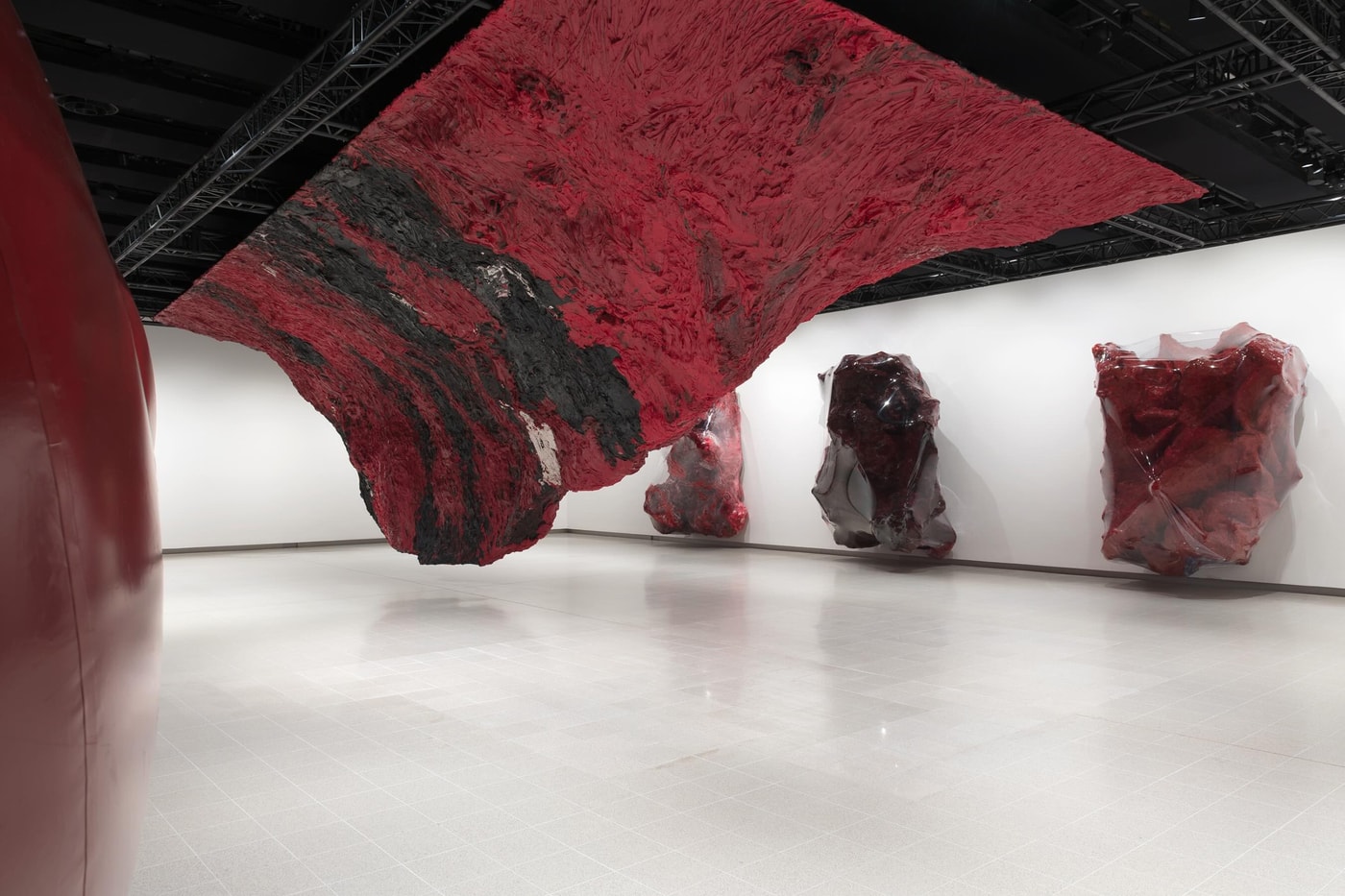
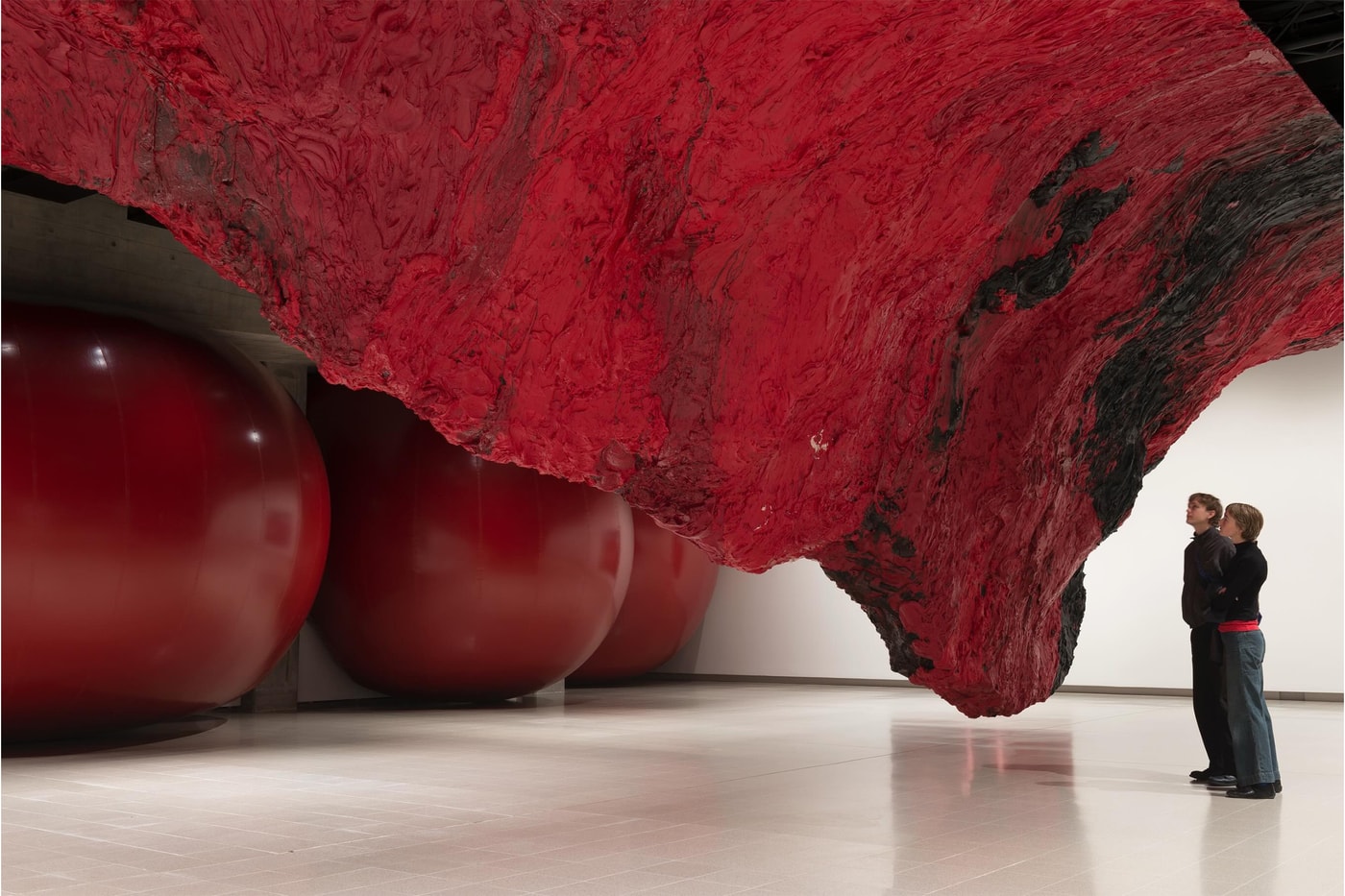
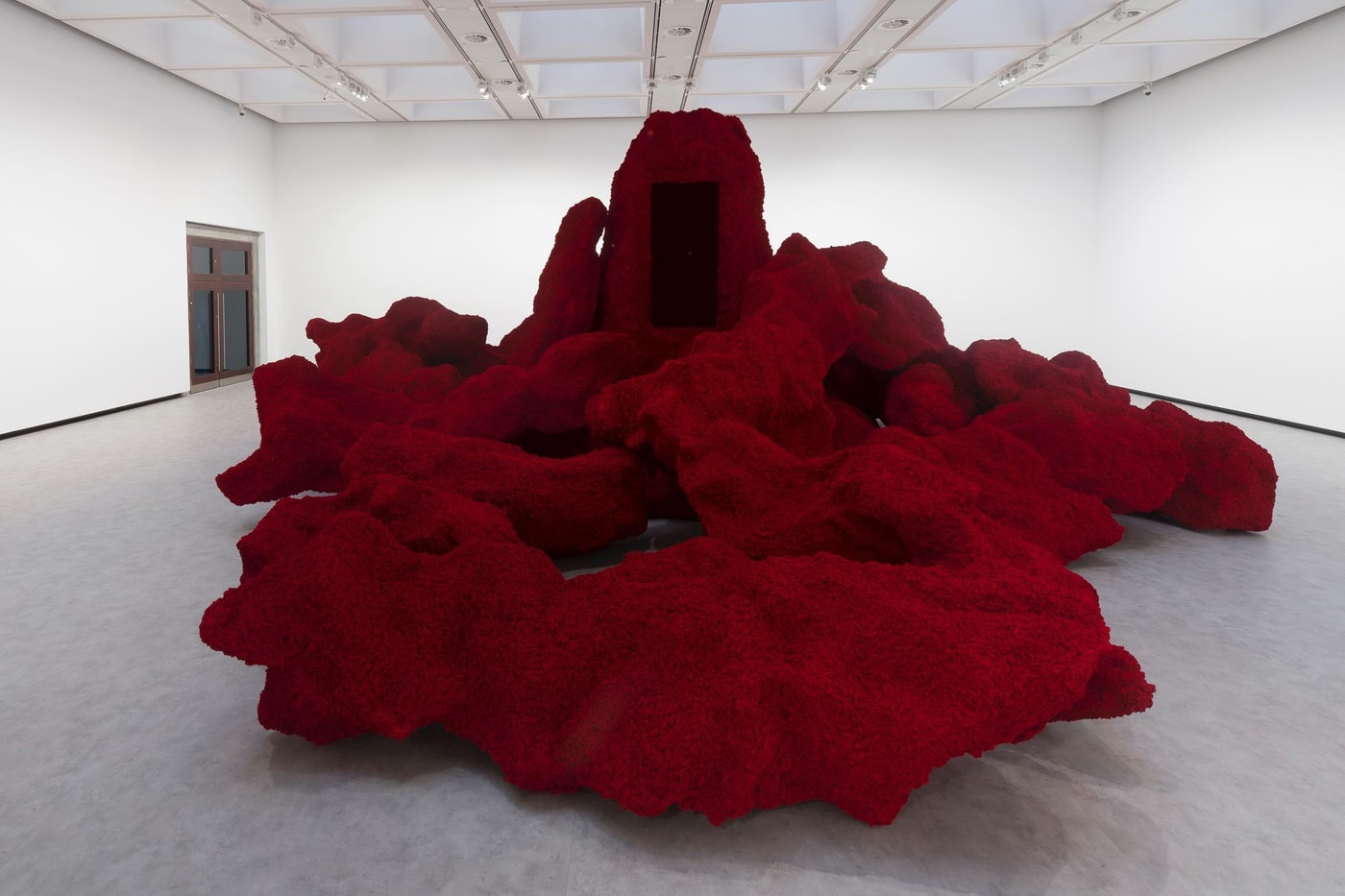
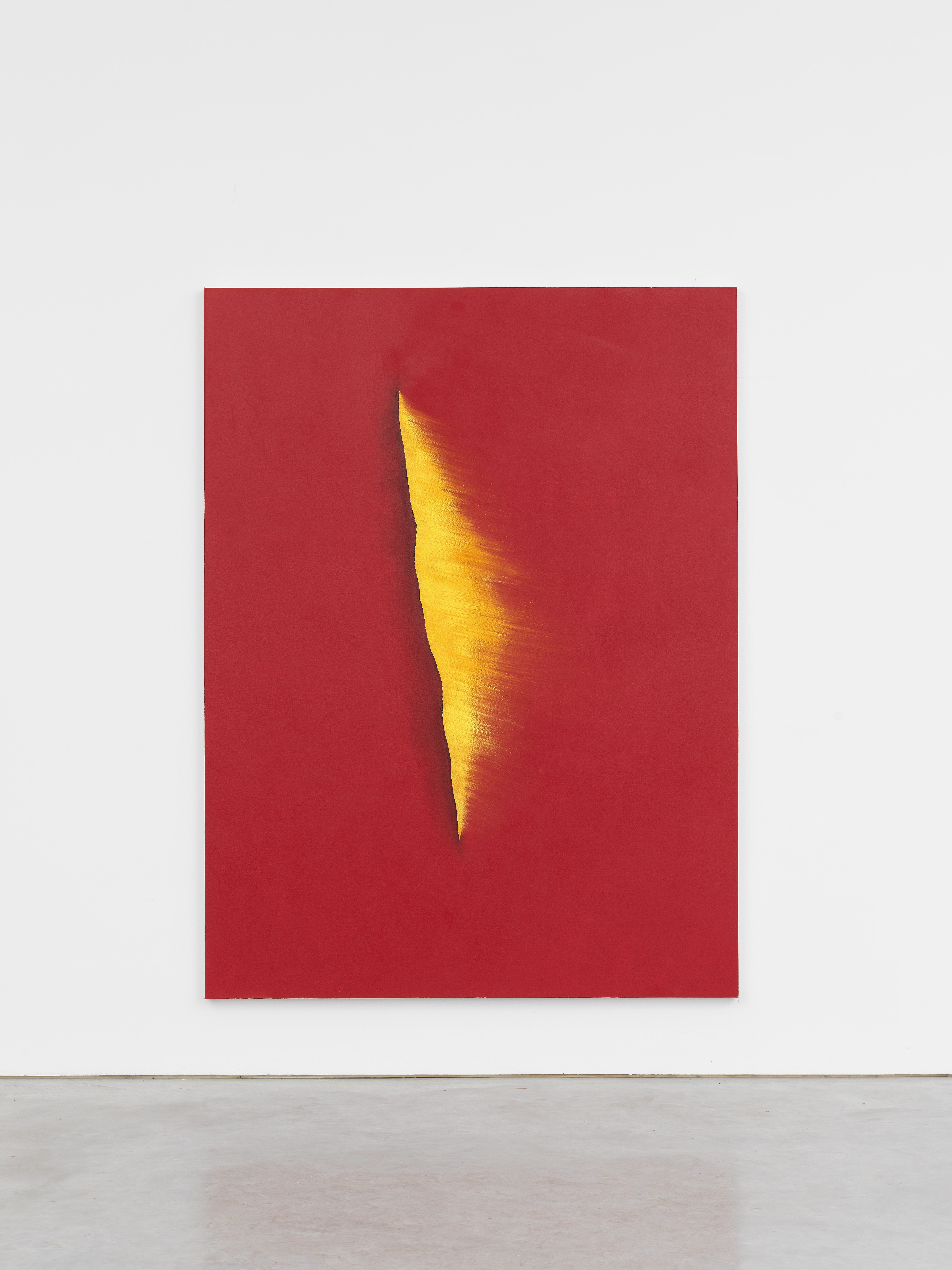
The upper galleries shift the register entirely. Here, Kapoor's visceral paintings and sculptures dominate, rendered in silicone, resin and pigment in shades of deep scarlet and burgundy. The sprawling Ha Makom (Hebrew for 'the place', and one of the names of God in Jewish mysticism) is a monumental red landscape with a mysterious opening at its summit, inviting the viewer to consider the divine understood not as a being but as the space in which all things exist. Smaller works feature monstrous forms protruding from walls, contained by stretched transparent plastic that looks on the verge of rupture. There is a content warning at the entrance: the work is suggestive of blood and entrails, and it earns that warning honestly.
On the outdoor terraces, mirrored steel sculptures warp and fold reflections into rich distortions, collapsing the viewer into the surrounding South Bank landscape. Mirror and void. The world reflected, and the world consumed. These have always been Kapoor's twin obsessions, and this exhibition presents them at their most compelling and confrontational.
Kapoor, 72, has never been an artist who offers instruction manuals. The viewer's role, he has long maintained, is to complete the work through their own interpretations. Whether you find that liberating or occasionally frustrating, there is no denying the sheer ambition on display. This is an exhibition that demands to be experienced in person, and preferably with a crowd. Watching others navigate the voids and distortions is arguably as compelling as the works themselves.