There are places that require effort to reach, and then there are places that reward that effort so completely that the journey becomes part of the experience. Arctic Bath, floating on the Lule River in the village of Harads in Swedish Lapland, belongs firmly in the latter category.
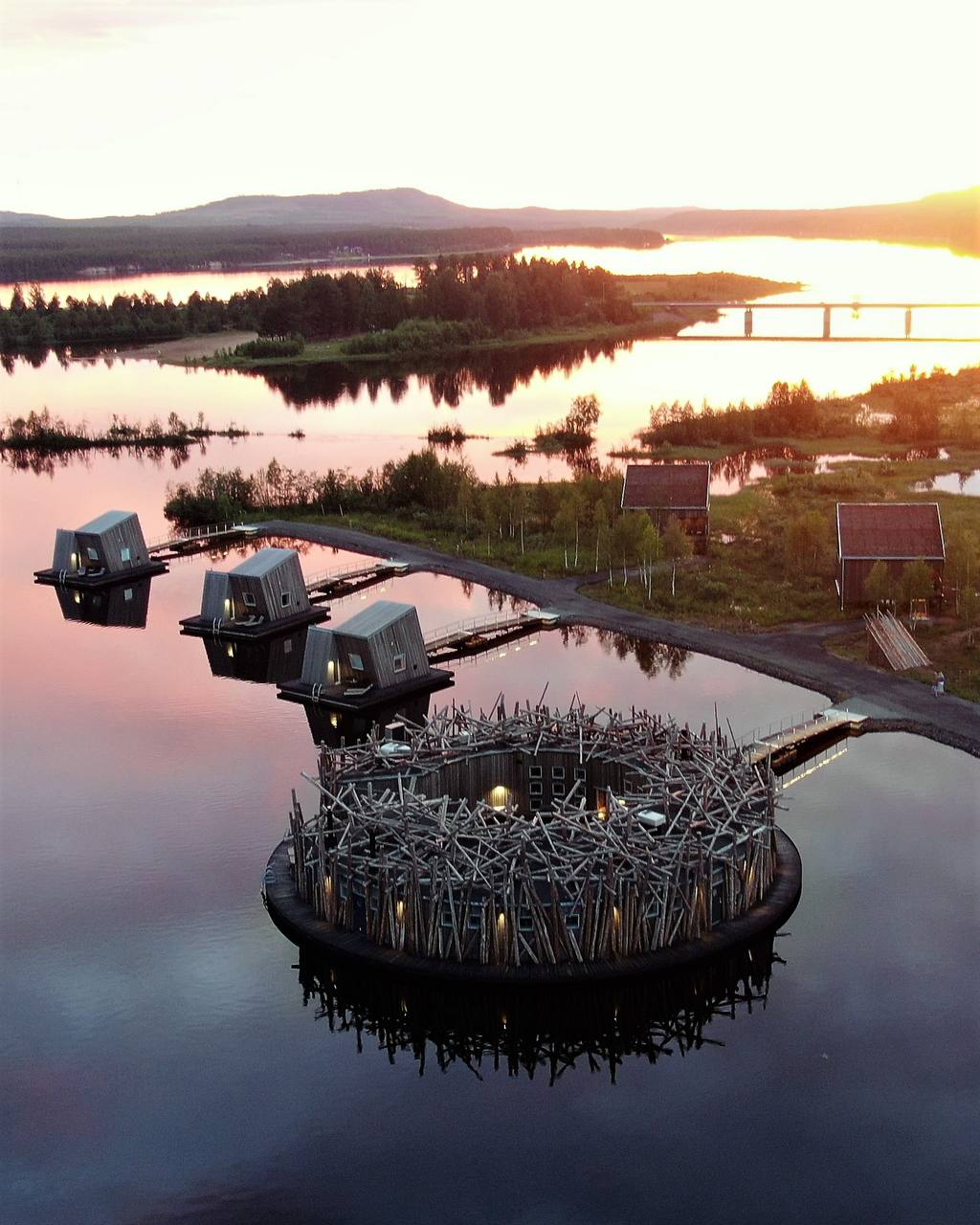
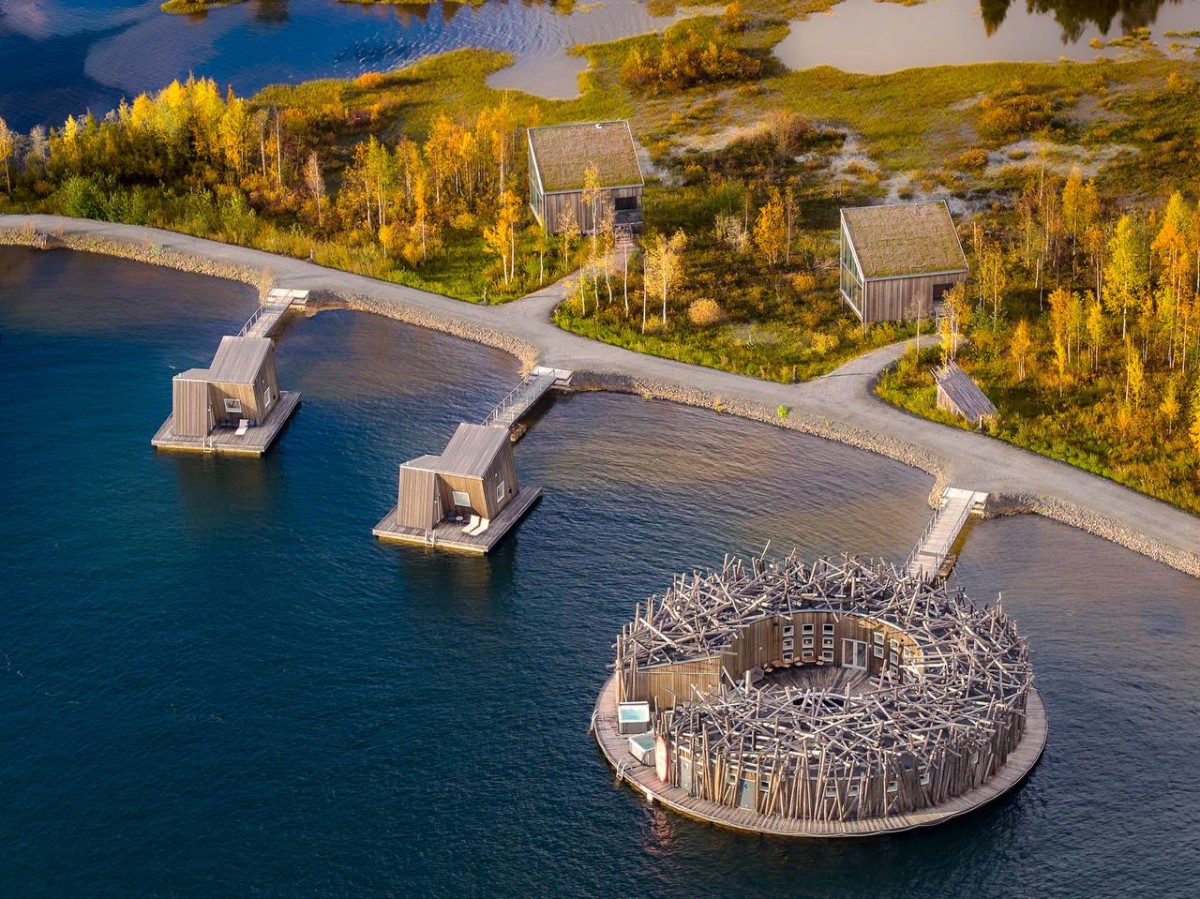
Designed by Swedish architects Bertil Harström, Johan Kauppi and AnnKathrin Lundqvist, the property is a tribute to the region's timber heritage and the timeless rhythm of the Lule River. With just 12 cabins, six Water Cabins floating on the river at 24 square metres, three Suite Cabins and three Land Family Cabins at 62 square metres each, it is intentionally intimate, a hotel built around the idea that the Arctic landscape is not something to be decorated over but something to be immersed in completely.
The profound silence, star-filled night skies, northern lights and the magical midnight sun of June offer a stark contrast to urban life.
Arctic Bath
The Silence, Stillness and Light of Swedish Lapland
The first thing guests notice is the silence. Not the absence of sound exactly, because the river moves and the wind shifts and the trees creak in the cold, but the absence of the ambient noise that defines urban life. The profound silence, star-filled night skies and northern lights of the winter months offer a stark contrast to the cities most travellers depart from, and the magical midnight sun of June turns the concept of night into something altogether different.
Around midsummer, the sun does not set. The light turns golden and then amber and then simply stays, casting the river and the birch forests in a perpetual warm glow that disorients and calms in equal measure. In winter, the days shorten but never disappear entirely. Even in the darkest period, Harads enjoys three to four hours of daylight, a beautiful window for winter activity, while the river freezes and the aurora borealis can be seen when conditions allow during the long evenings. Between these extremes, the property exists in a state of continuous seasonal transformation that shapes every aspect of the guest experience.
Timber-Floating Heritage and Architecture
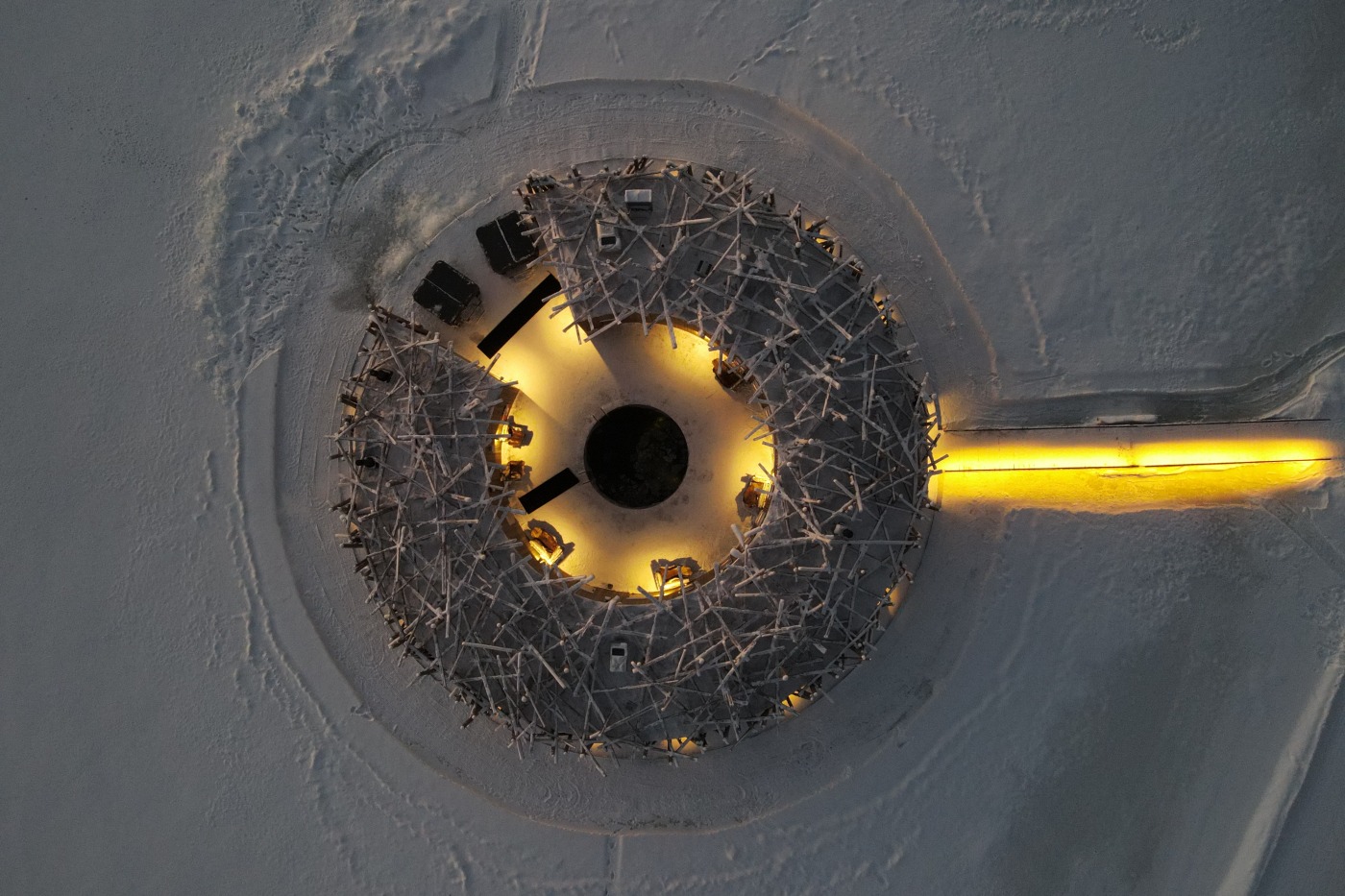
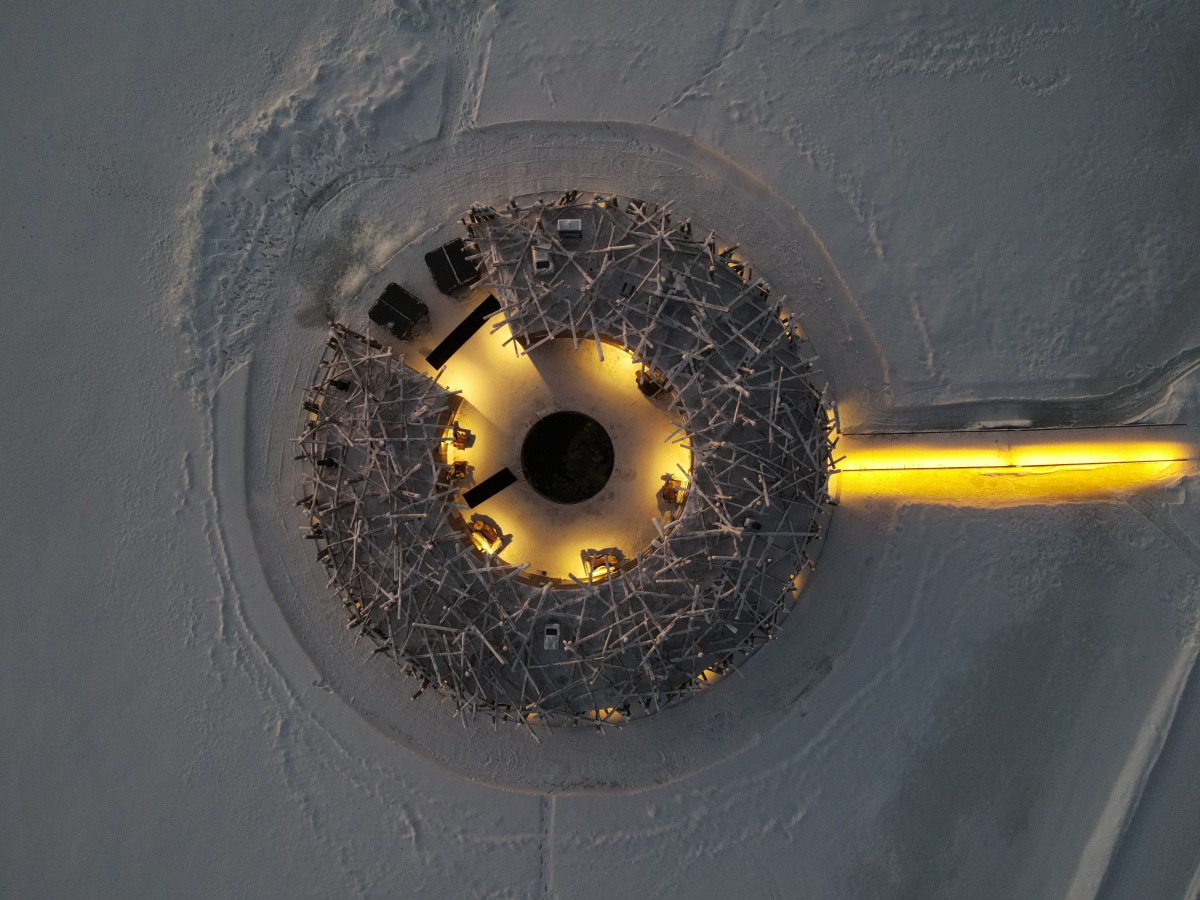
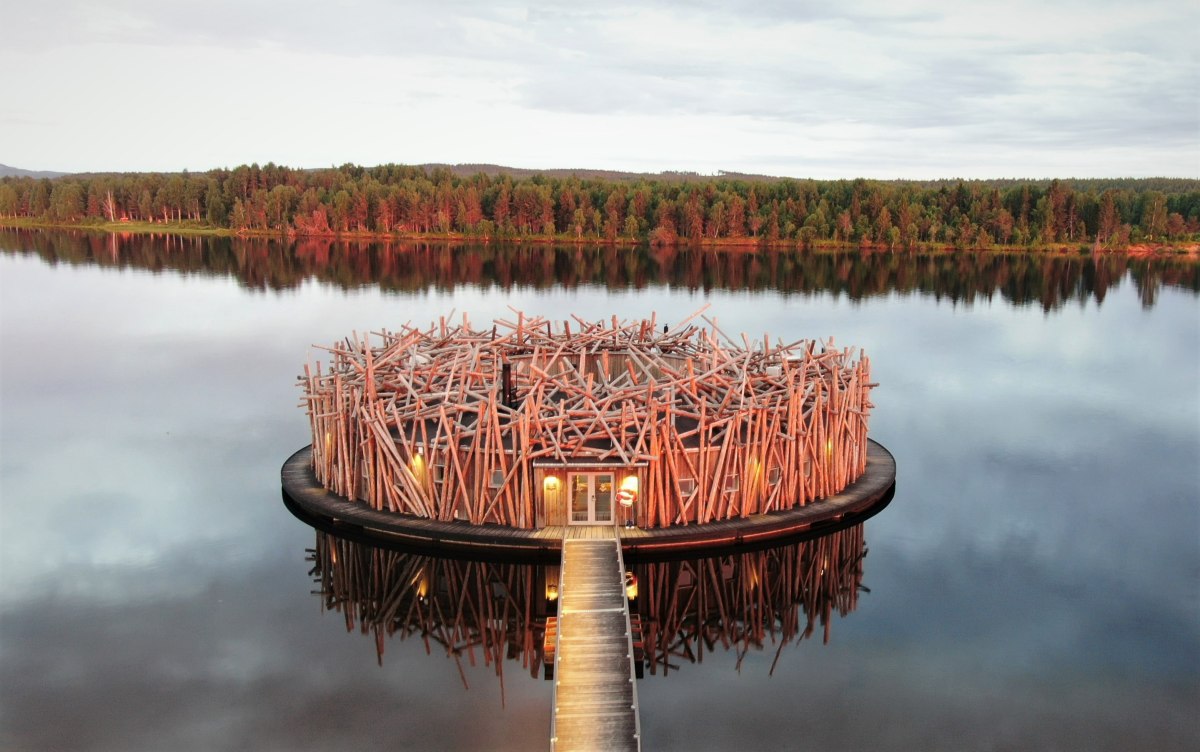
The architecture of Arctic Bath is not generic Scandinavian minimalism applied to a remote location. It is a specific response to a specific history. The circular main building evokes the historical logjams that formed on the Lule River during the timber-floating era, when logs were sent downstream from the inland forests to the coast and would pile up against the riverbanks.
The six water cabins, irregular in shape and angles, pay homage to the crooked timber-floaters' huts that lined the riverbanks, structures pushed out of alignment by the winter ice as it formed and retreated. The architecture is not quoting these historical forms but translating them into a contemporary language, using natural materials, glass walls and sustainable construction to create spaces that feel both rooted in the region and distinctly modern.
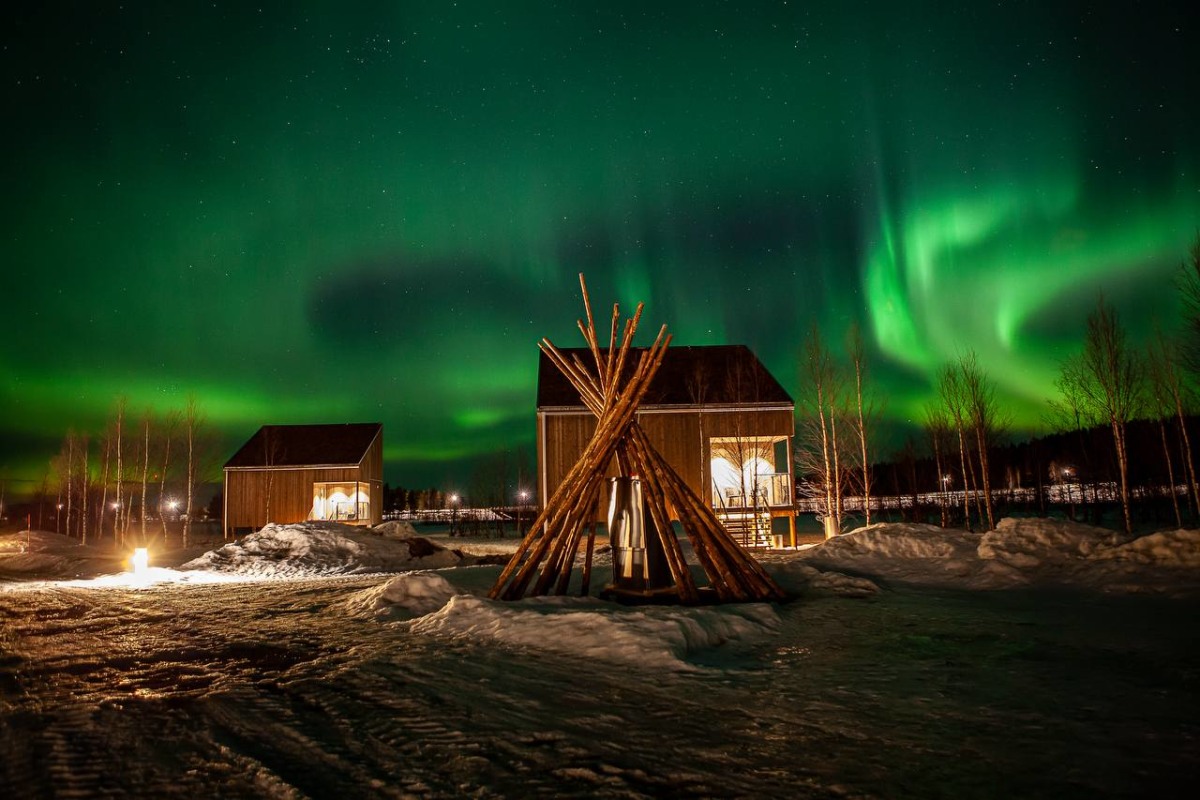
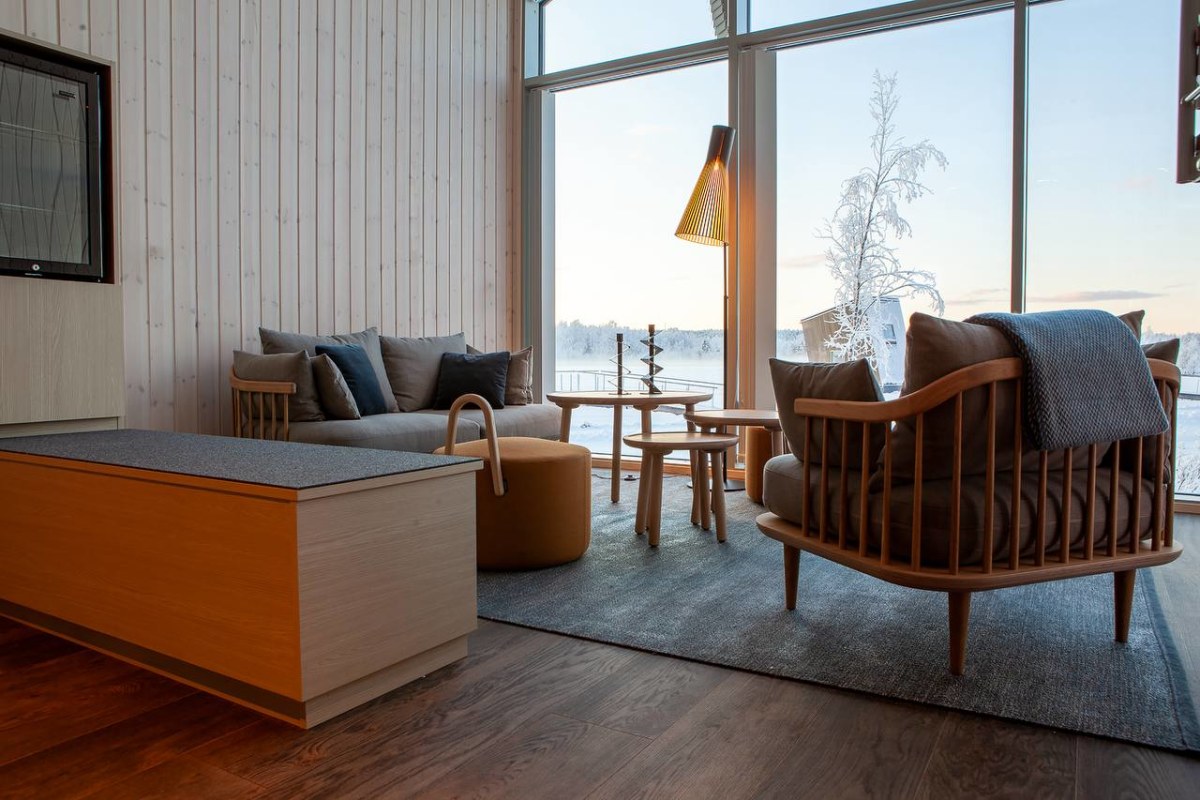
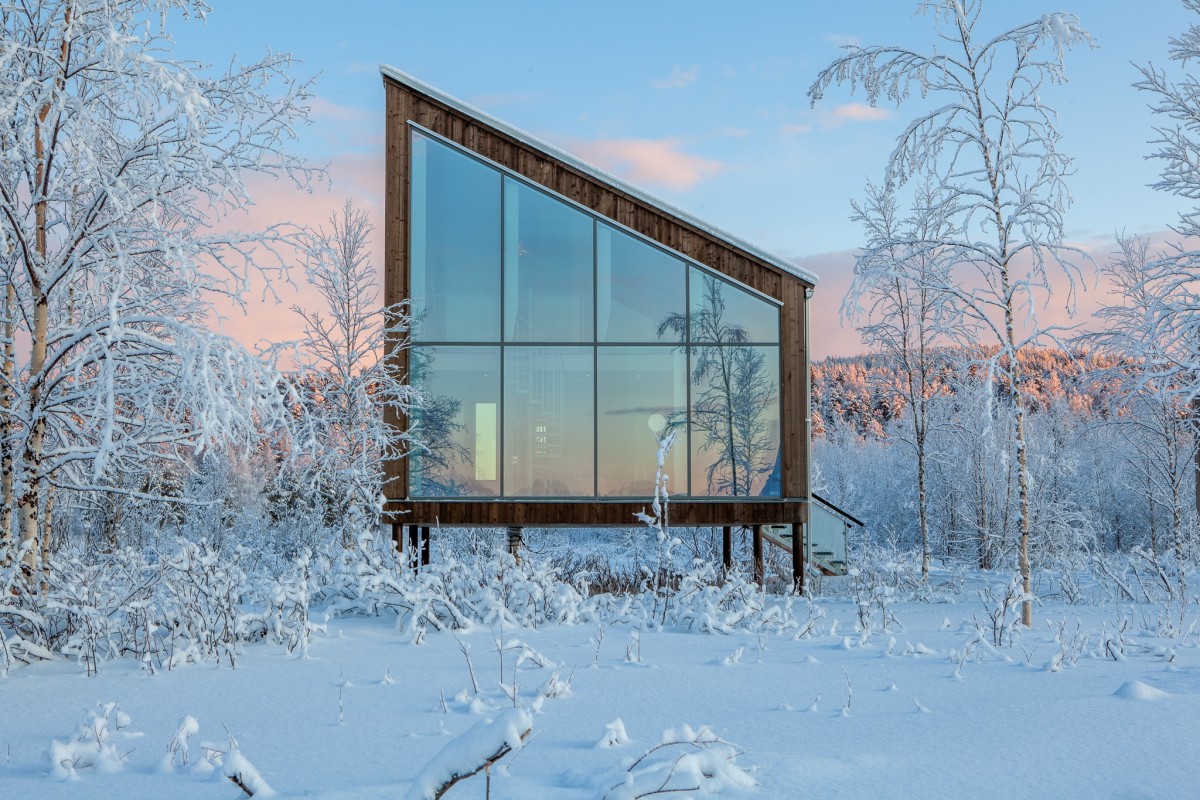
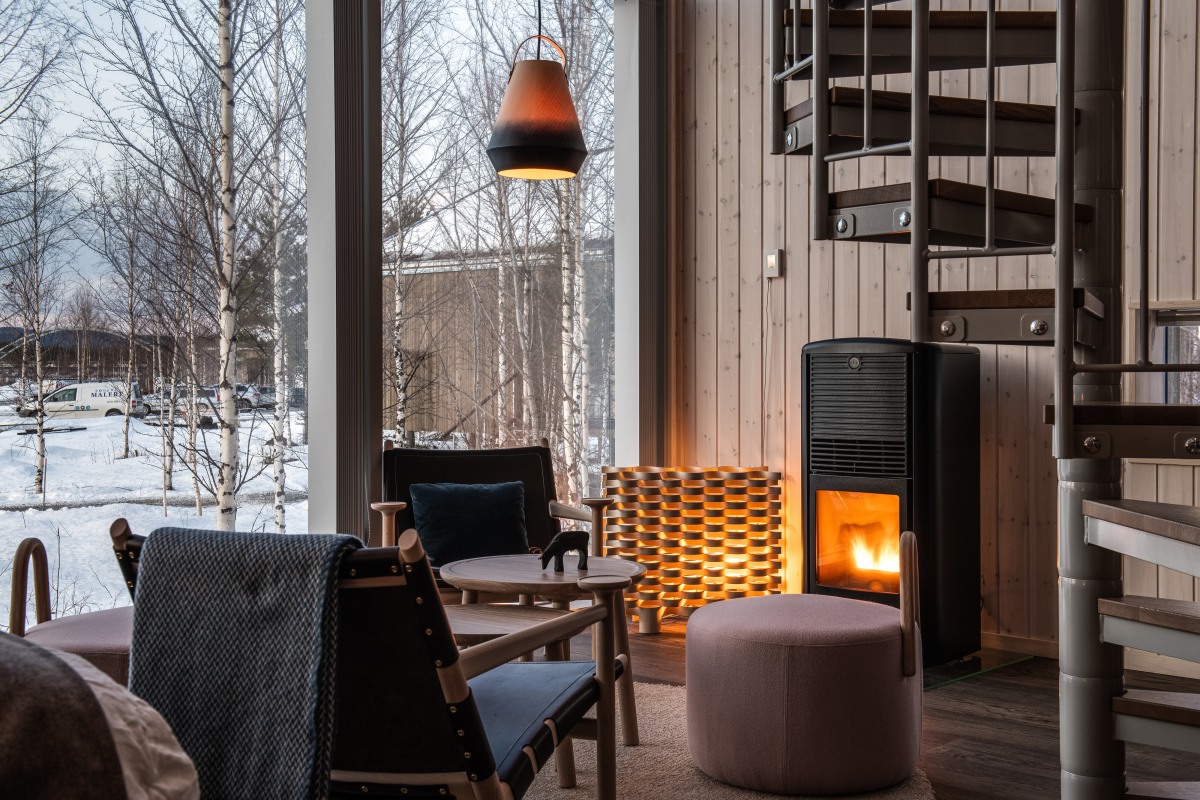
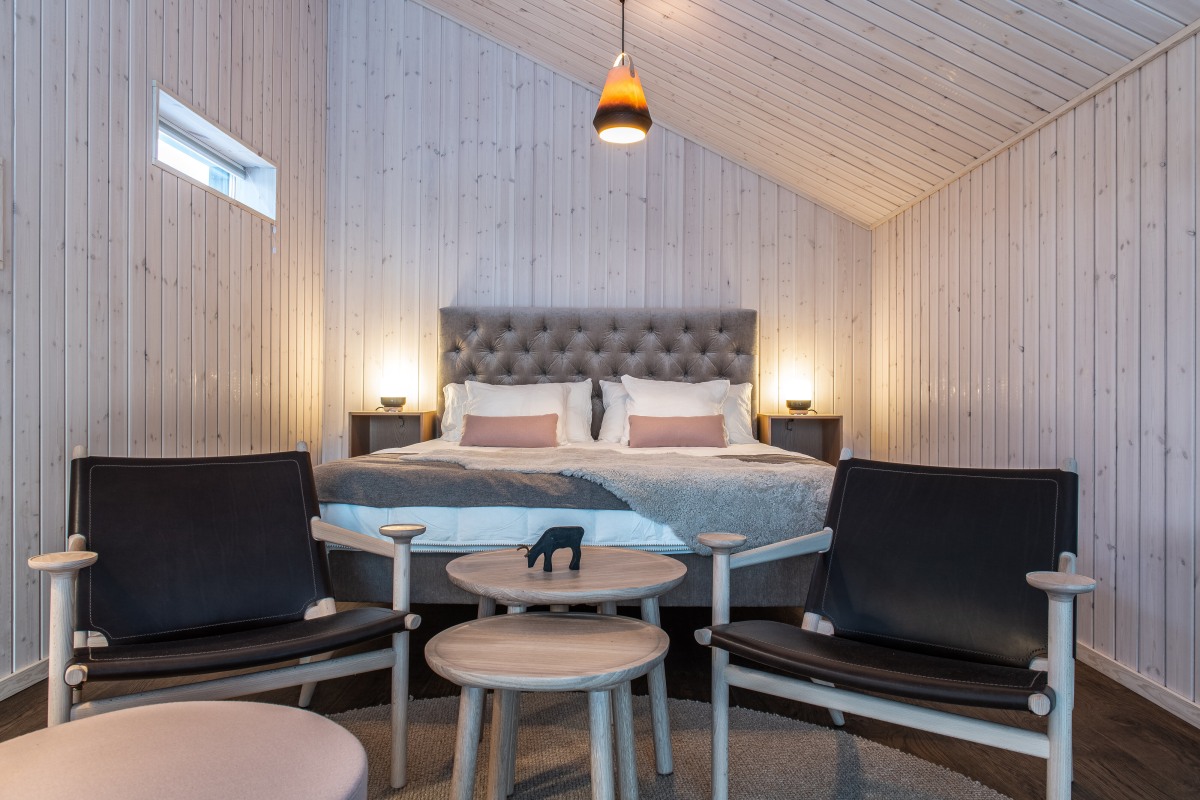
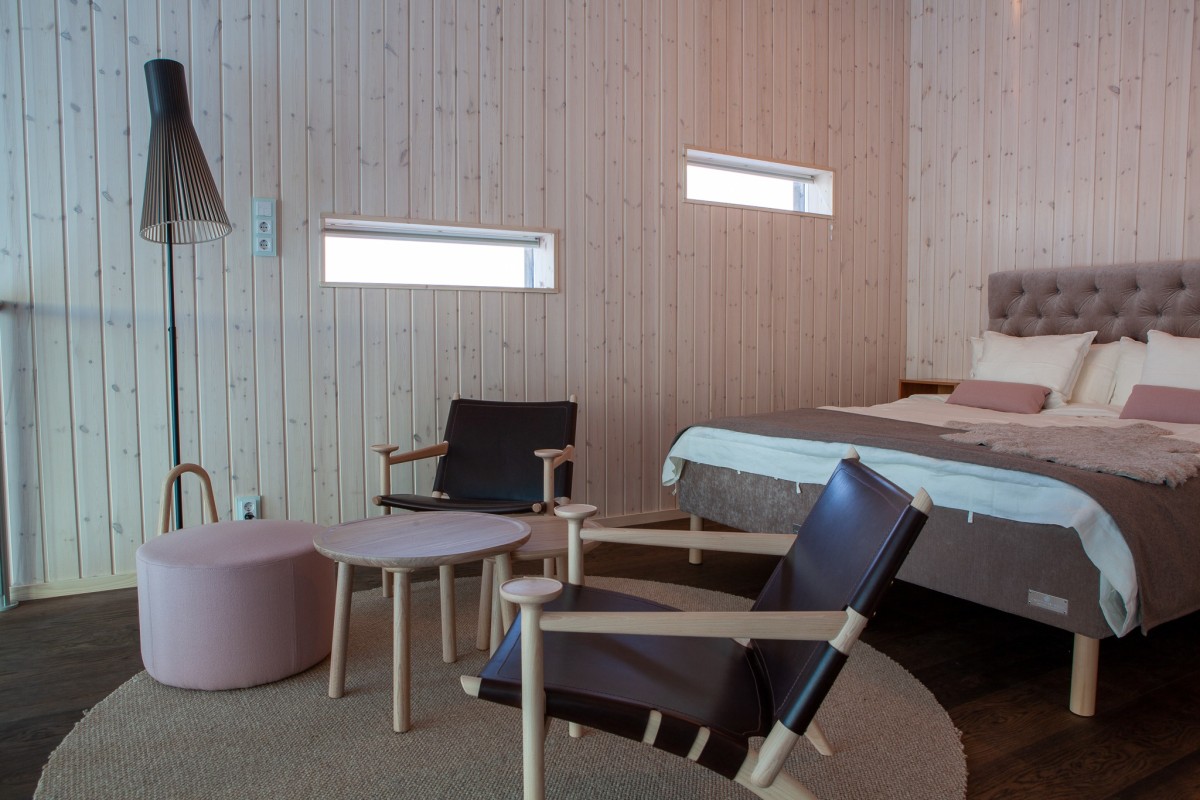
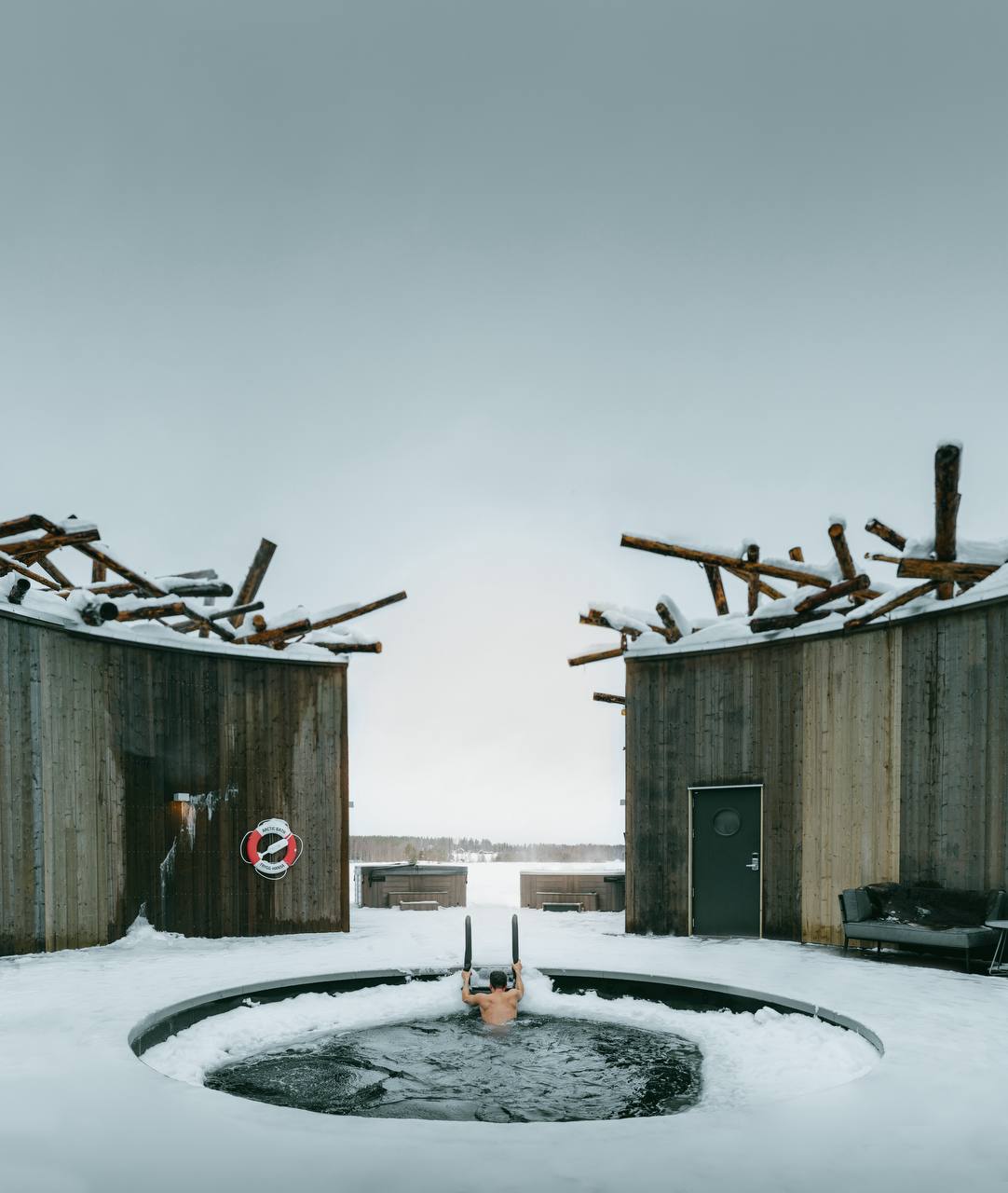
The main building houses the spa, with its characteristic cold river bath at the centre, surrounded by one steam sauna, two dry saunas, two outdoor hot tubs and a small, calming treatment room where a single therapist performs treatments for individuals or couples. The restaurant, lounge and bar occupy the same circular structure, so the communal experience of the hotel is concentrated in one architectural gesture. The Water Cabins, floating on the river, are private retreats connected by walkways over the water. The Land Cabins stand on pillars among the birch trees on land. Each cabin is designed to frame the landscape through glass walls that dissolve the boundary between interior and exterior.
Arctic Gastronomy Philosophy
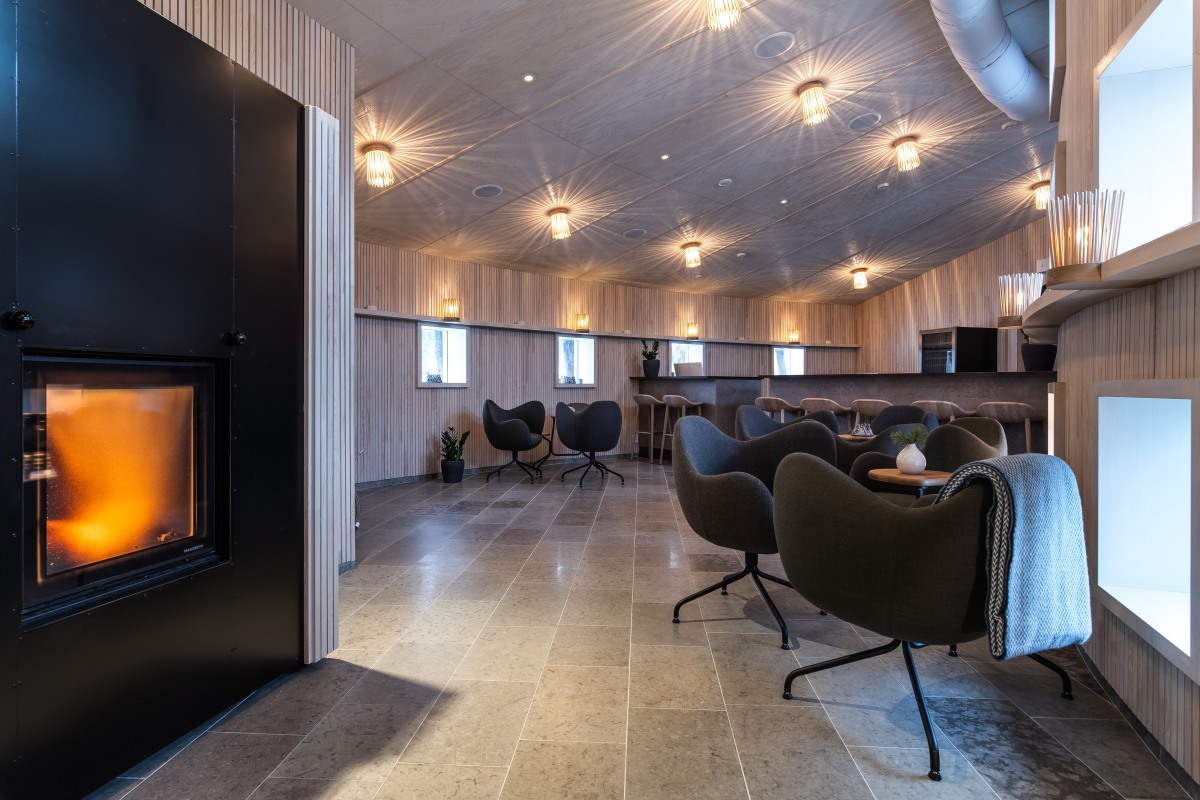
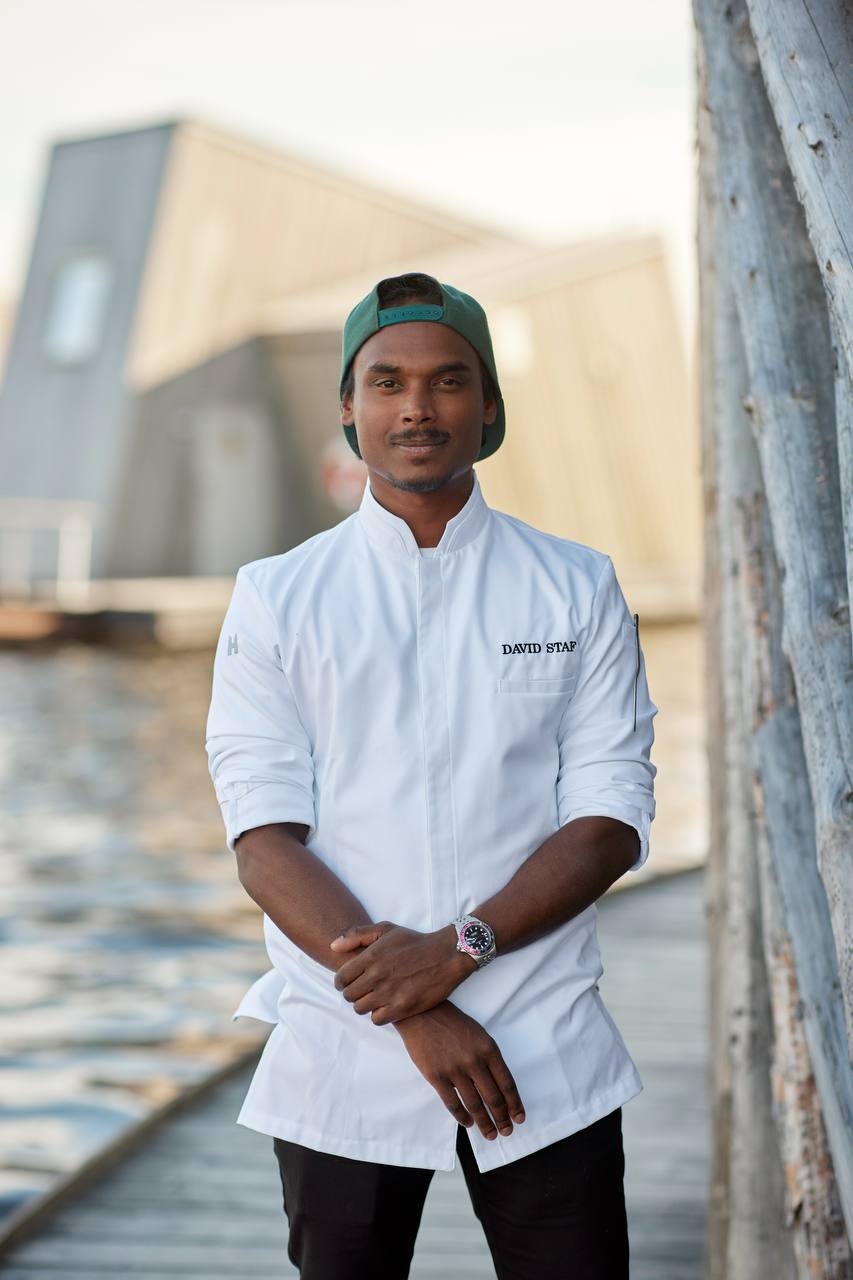
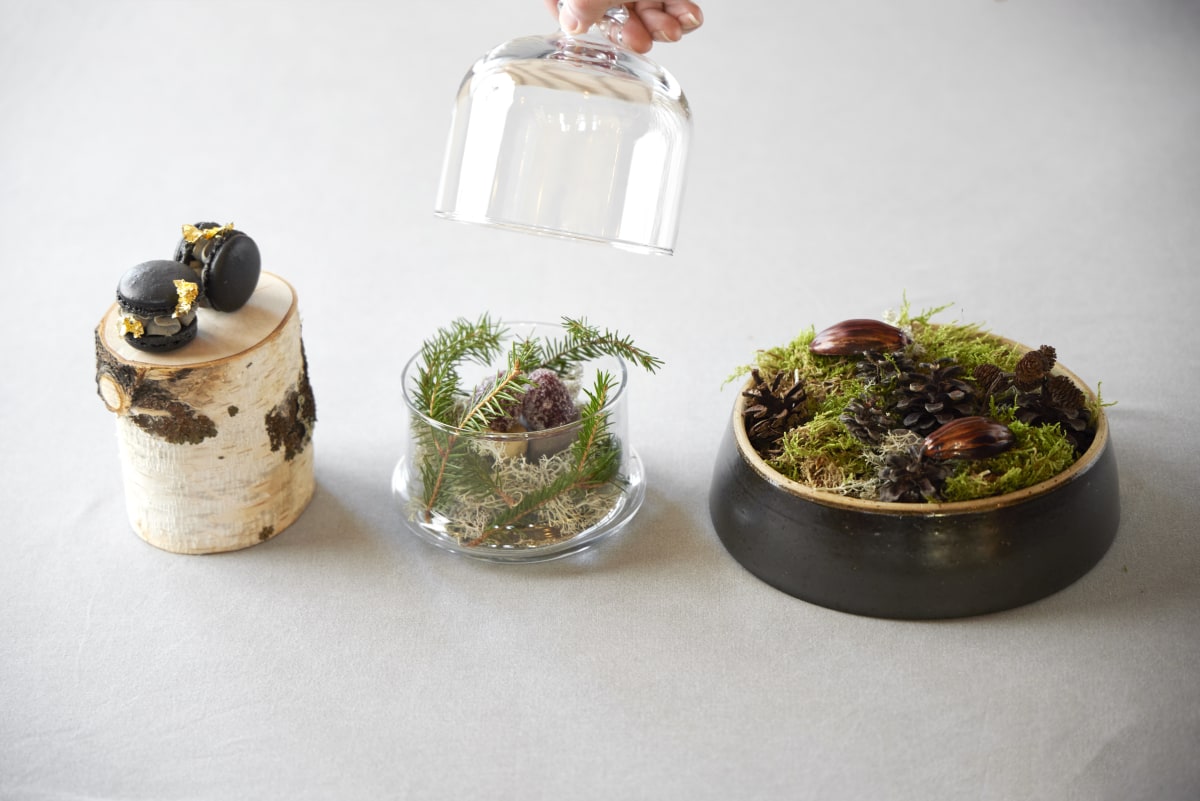
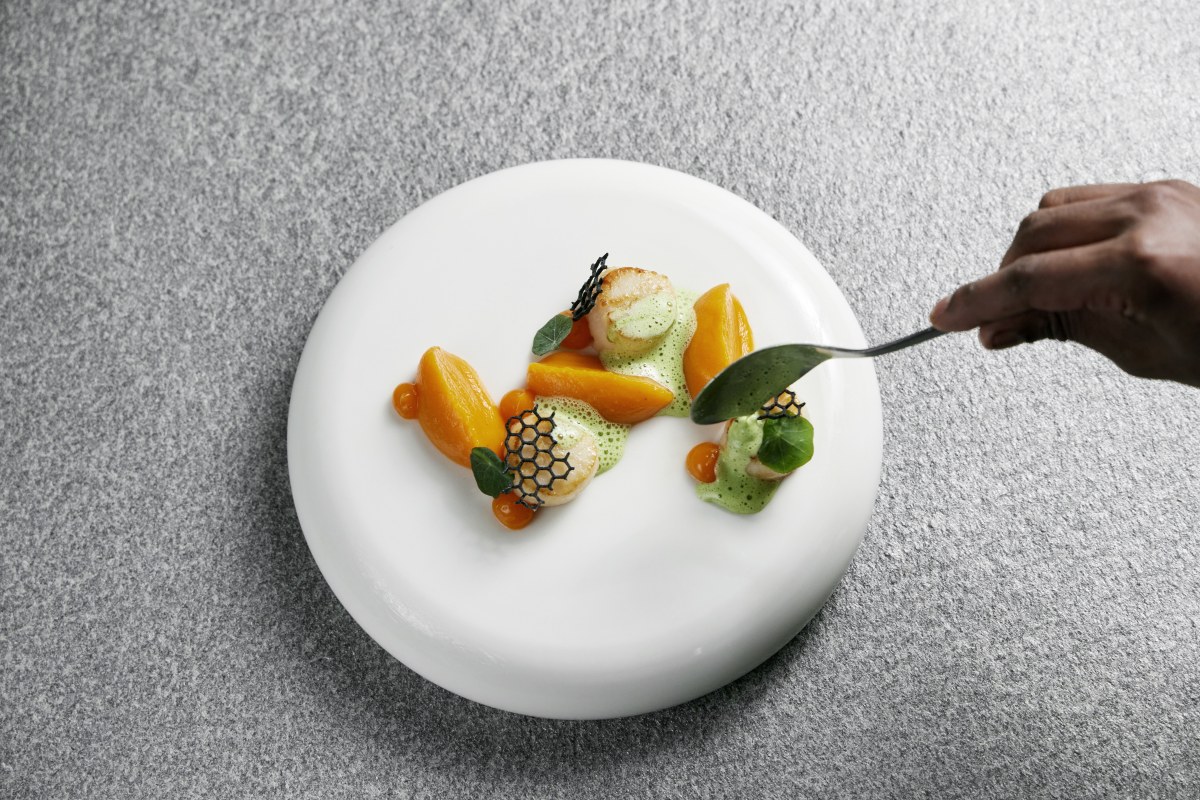
The restaurant at Arctic Bath is not a hotel restaurant in the conventional sense. It is a culinary destination that happens to be attached to a hotel, and the distinction matters. Led by Head Chef David Staf, winner of the Chef Award at the Culinary Hotel Awards 2026, the kitchen operates on a simple principle: the menu draws primarily from ingredients sourced across the Arctic Circle. The setting is intimate, with an open kitchen that lets guests see the chef at work, and the bar and lounge area features a cosy fireplace that becomes the natural gathering point after dinner.
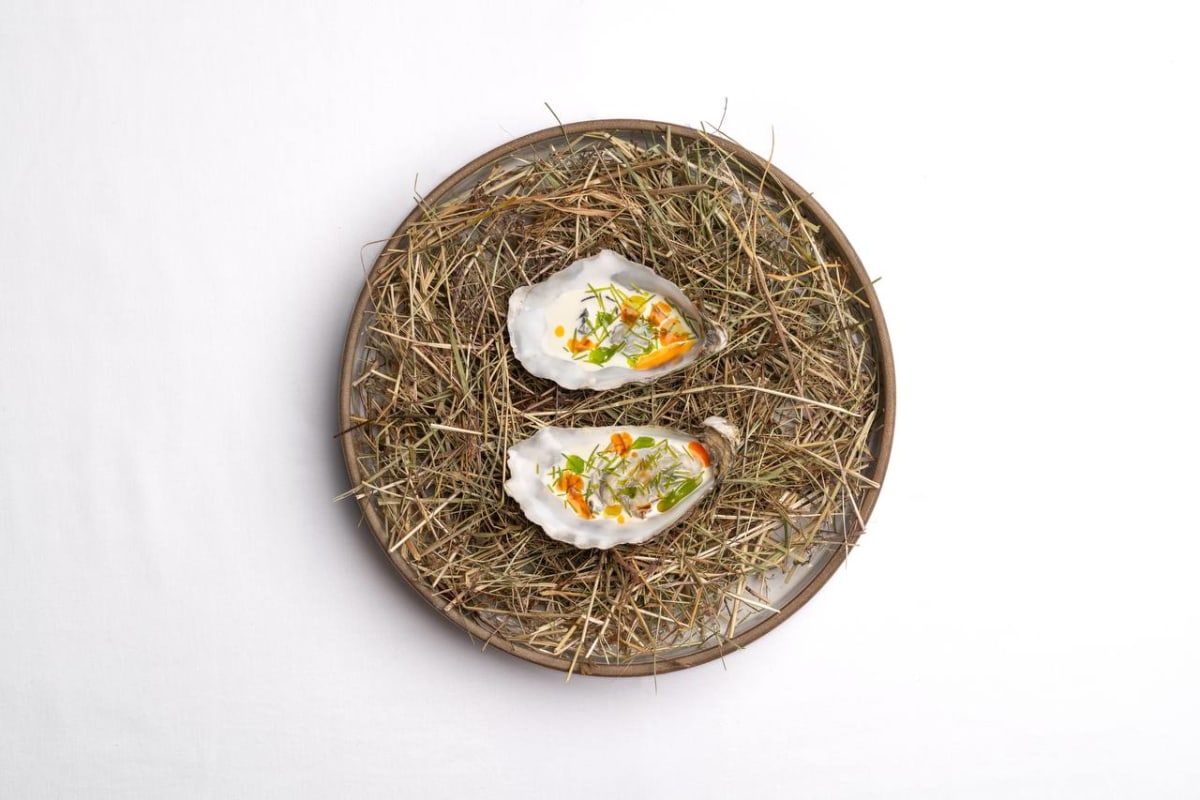
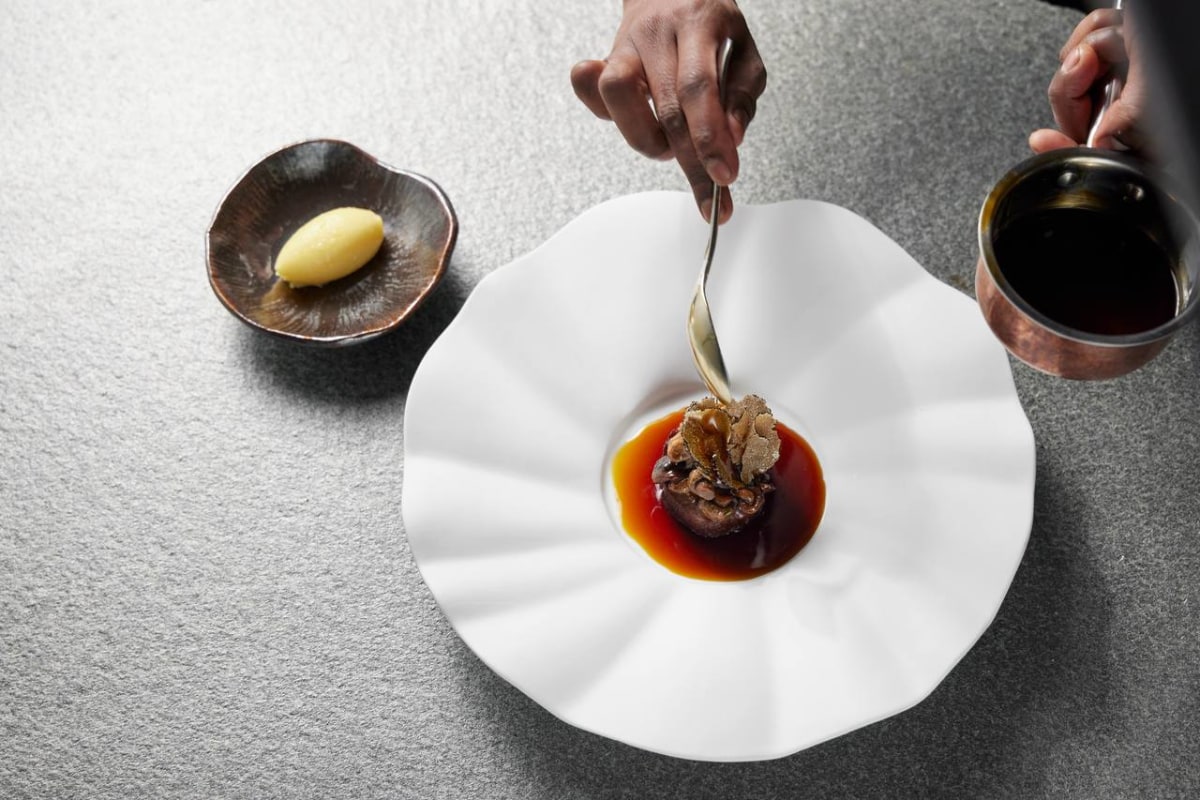
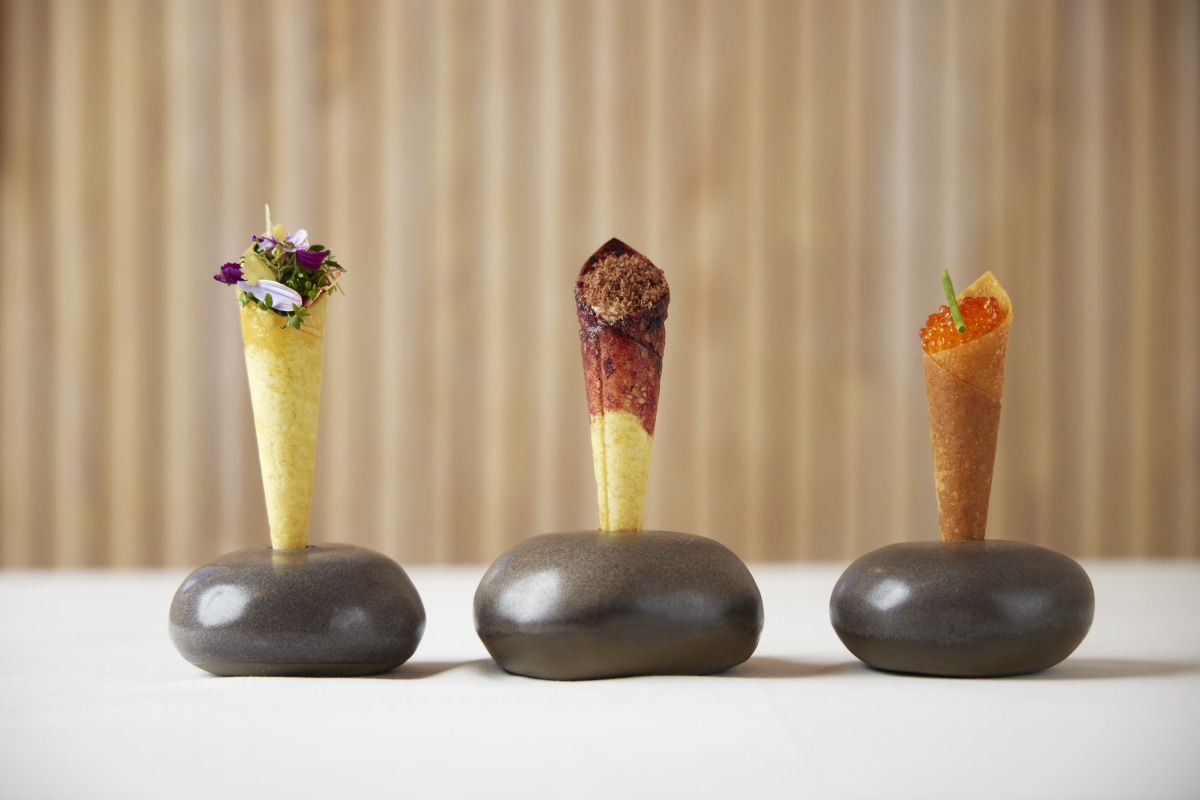
The menu honours the treasures of the region: creamy dairy, golden local honey, wild-caught fish, game, and fresh herbs and berries foraged from nearby forests. Each dish tells a story of purity, respect for nature and culinary artistry, combining regional identity with careful culinary freedom rather than rigid adherence to tradition.
Dinner is served as a set-menu experience, with two different menus to choose from, each showcasing the finest local ingredients and innovative techniques. à la carte dining is not available in the evening, a decision that reflects the kitchen's commitment to a curated, multi-course journey rather than individual dishes. Restaurant Manager Saga Wallin and her service team ensure that every moment feels welcoming, caring and unforgettable, and the intimacy of the space, the restaurant is deliberately small, means that timings are respected and the experience feels personal rather than transactional. Breakfast features homemade breads, charcuterie, cheeses and thoughtfully crafted à la carte dishes. Lunch offers reimagined northern classics. Dinner is the main event, a multi-course journey through the Arctic pantry that rivals the world's most celebrated restaurants.
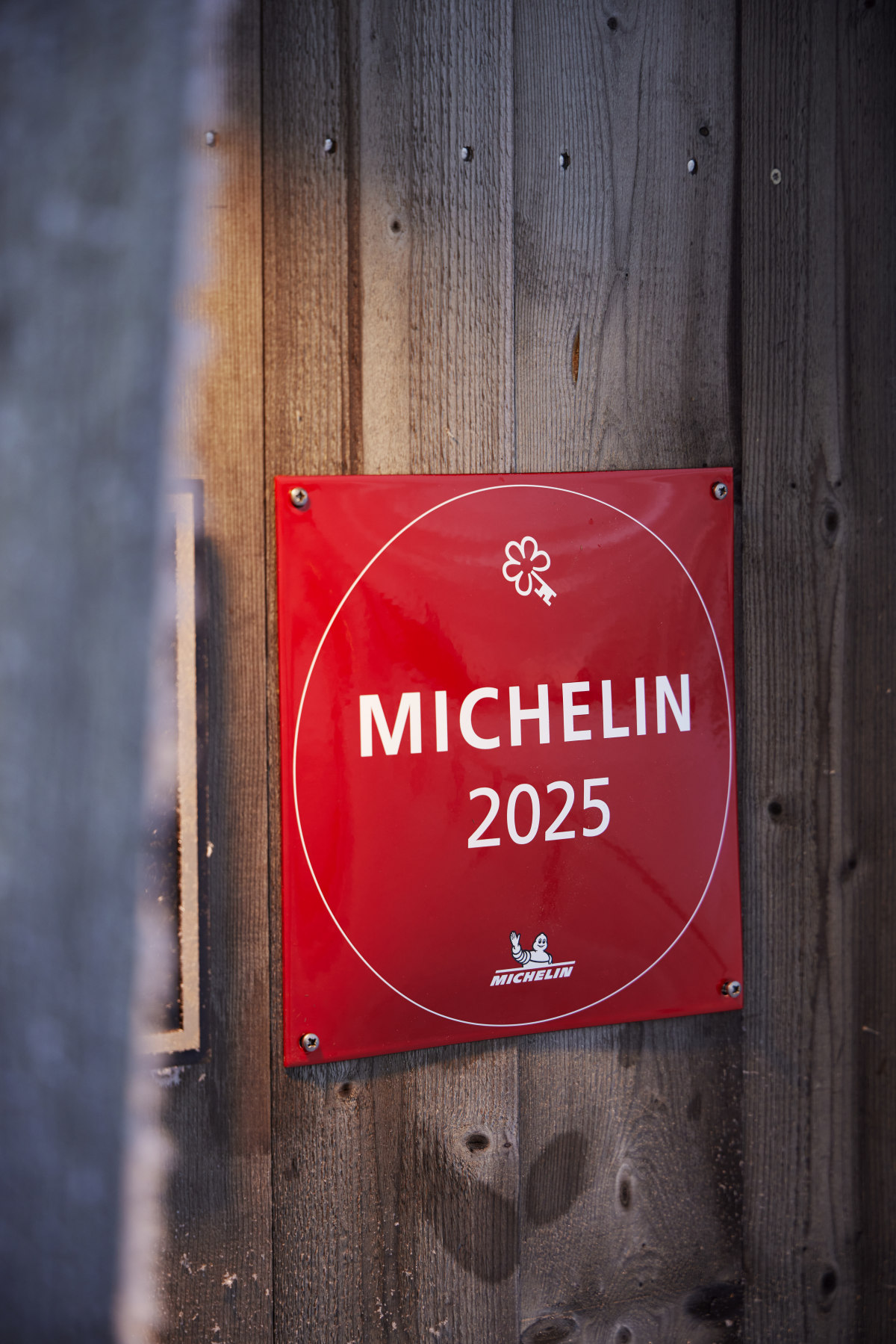
Recognitions from MICHELIN, La Liste and 98 out of 100 points in the Falstaff Nordic hotel guide validate the journey to Harads for international travellers.
Arctic Bath
Independent Awards and Global Recognition
Arctic Bath has accumulated recognitions that are unusual for a property of its size and remoteness. The MICHELIN Key, awarded for hotels and destinations that deliver an exceptional, holistic experience, celebrates excellence across design, service, gastronomy and the unique character of a place. La Liste awarded the property a Discovery Gem Award. The Falstaff Nordic hotel guide gave Arctic Bath 98 out of 100 points, ranking it second in Sweden.
These recognitions validate the journey to Harads for international travellers, confirming that what exists on the Lule River is not merely a remote curiosity but a property operating at a level that competes with the best hotels in the world. For guests travelling to Harads, with ground transfers and a willingness to travel to the edge of the Arctic Circle, these awards serve a practical function: they tell travellers that the effort is worth it.
The property is also a member of the exclusive XO Private network and part of Small Luxury Hotels of the World's Considerate Collection, a recognition of its sustainability practices aligned with the United Nations Sustainable Development Goals and the Global Sustainable Tourism Council. The property uses natural and sustainable materials, sources ingredients locally and operates with a mindfulness that reflects its setting rather than imposing upon it.
Experiencing the Changing Seasons
Arctic Bath does not offer a single experience. It offers at least four, depending on when you visit. The guest journey is tailored across distinct seasons, each with its own character, activities and relationship to the landscape.
Winter is the season of snowmobiling, dog sledding and northern lights. The river freezes and the floating structure becomes embedded in ice, a visual transformation that turns the architecture into something even more extraordinary. The central cold bath remains open throughout winter, the centrepiece of the spa experience, and the saunas and outdoor hot tubs take on a significance that they would not have in a warmer climate.
Summer is the season of the midnight sun, slow-paced river life and long days that never quite end. The river flows freely, the floating cabins are genuinely floating, and the landscape turns green and accessible. Autumn brings foliage, foraging and the return of the aurora, a transitional season that combines the abundance of summer with the drama of winter. Each season requires a different approach to the property, and the team at Arctic Bath tailors the experience accordingly rather than offering a one-size-fits-all programme.
Vision, Wellness and the Arctic Blend Experience
The future of Arctic Bath is focused on the careful refinement of the guest experience rather than growth for its own sake. The property is carefully refining its offering with the new Arctic Blend Experience, a botanical personalisation developed in collaboration with c/o GERD, and the possible addition of a small indoor yoga and meditation space, designed for retreats and small team gatherings, remains under discussion.
The Arctic Blend Experience represents a deepening of the wellness offering rather than a broadening of it. The concept is built around botanical personalisation, tailoring treatments to the individual using natural ingredients that reflect the Arctic environment. The collaboration with c/o GERD brings expertise in botanical wellness to a setting that is already defined by its relationship to nature, and the result is a wellness programme that feels native to the location rather than imported from a spa menu.
The exploration of a small indoor yoga and meditation space addresses a practical need: the Arctic climate does not always lend itself to outdoor practice, and a dedicated space would allow the property to host retreats and small group gatherings without compromising the intimacy that defines the guest experience. The vision is to stay small, personal and deep, expanding the depth of the experience rather than the scale of the property.
For a hotel that has already achieved what most properties aspire to, the ambition is not to become bigger but to become more itself. The Arctic landscape is not running out of things to reveal, and Arctic Bath is not running out of ways to help guests experience them.