The EDITION brand, created by Marriott International with hotelier Ian Schrager, built its reputation on hotels that take on the character of their cities rather than imposing a house style. From London and New York to Tokyo, Lake Como and the Riviera Maya, the formula has been consistent: the city leads, the hotel follows. The Cape Town EDITION, the brand's first hotel in Africa, which opened at Quay 7 on the V&A Waterfront in October 2026, applies that formula with a precision that feels especially resonant in a city where the landscape, the layered history and the creative energy are already doing the heavy lifting.
The setting is deliberate. The V&A Waterfront is Cape Town's most visited destination, a working harbour turned public precinct where museums, galleries, restaurants and the new superyacht marina sit alongside the historic docks. The hotel looks across the harbour towards Table Mountain, with the Atlantic at its shoulder and the bustle of the Waterfront within an easy stroll. Graham Wood, Chief Executive Officer of the V&A Waterfront, describes the opening as a strong expression of confidence in Cape Town as a globally competitive tourism and investment destination, and a signal of the next chapter for Granger Bay, a waterfront district designed to bring new dining, cultural and public spaces into the life of the harbour.
The Cape Town EDITION applies the EDITION formula with a precision that feels especially resonant in a city where the landscape, the layered history and the creative energy are already doing the heavy lifting.
The Cape Town EDITION
Architecture: A Harbour Remembered in Brick
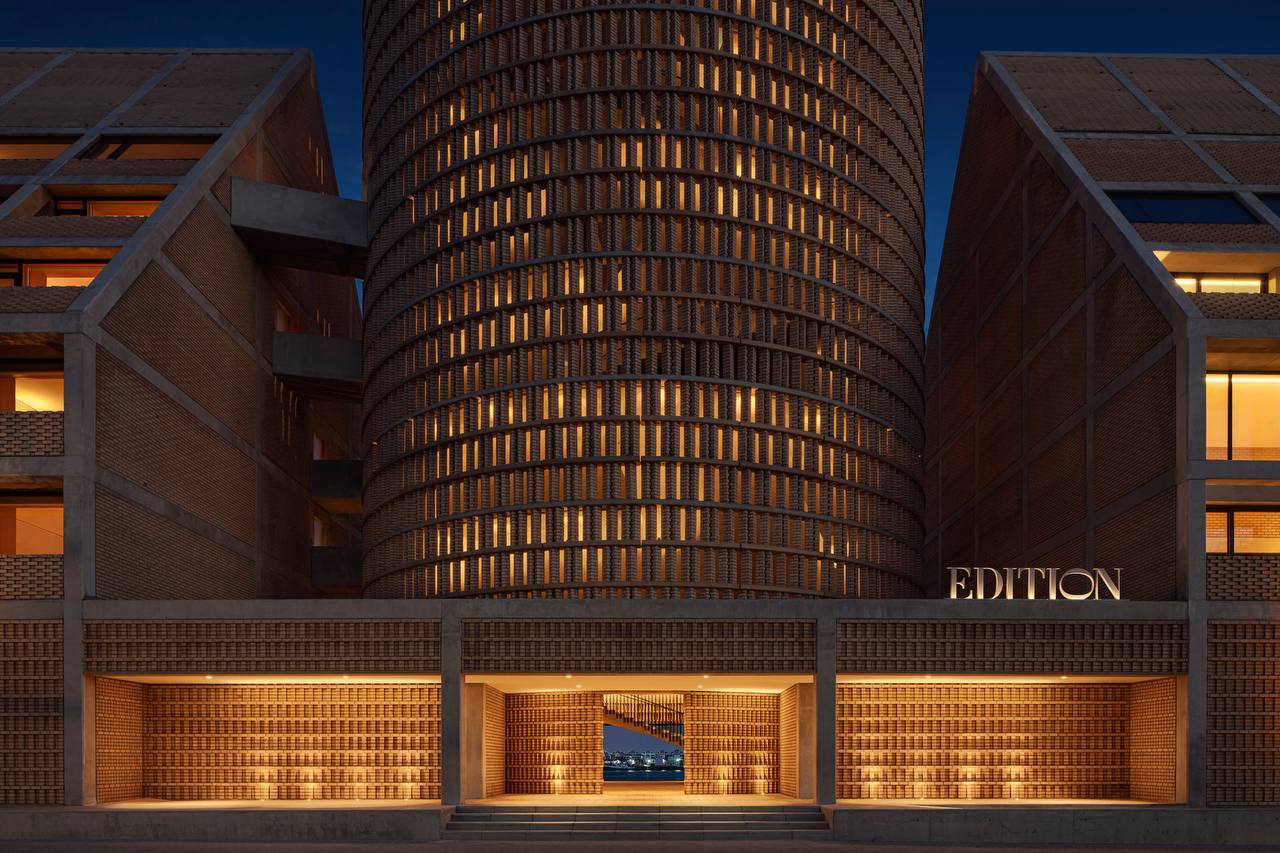
Neri&Hu designed the hotel working alongside Cape Town-based architects and professional firms. Rather than turning away from the industrial character of Quay 7, the architects embraced it. The long, low building with its pitched rooflines recalls the warehouses that once stood on the site, and its material palette borrows from the working harbour around it. More than six million bricks were laid by hand in shifting patterns across the facade, giving a humble material a texture and presence that changes with the light throughout the day.
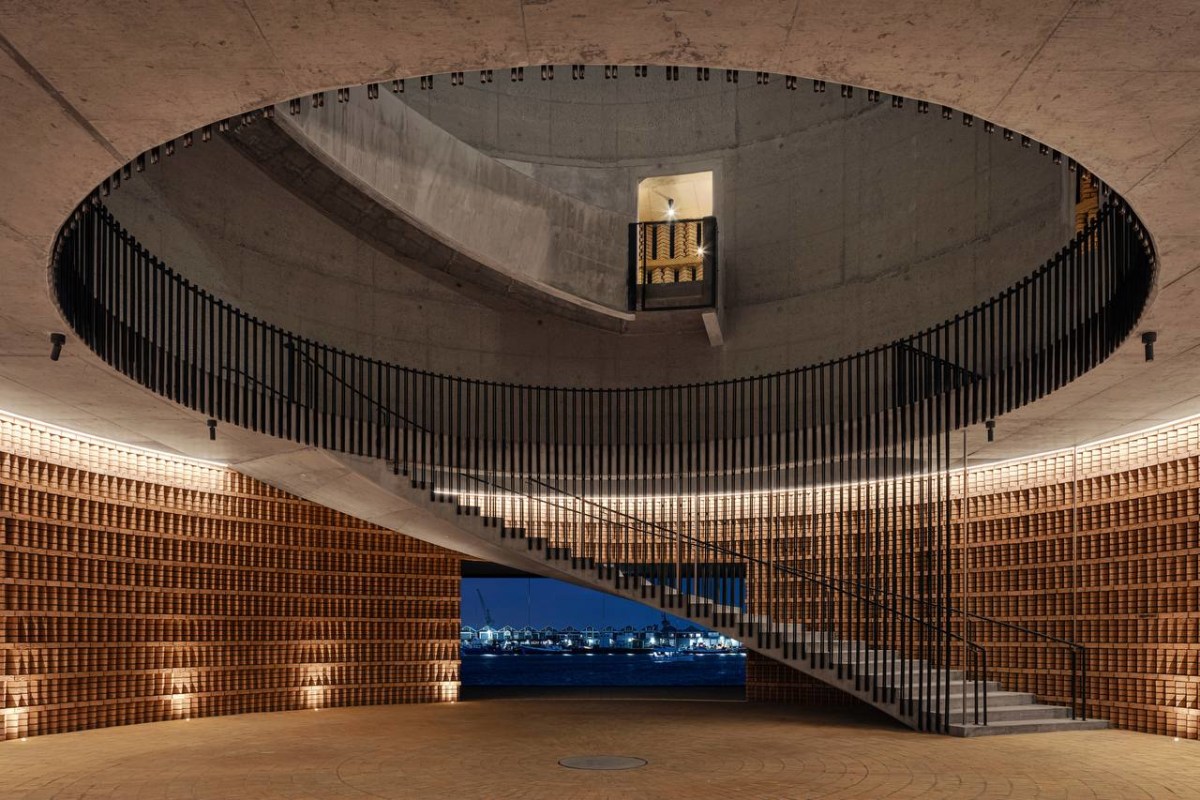
At the centre of the building is The Drum, a tall cylindrical space open to the sky where the Cape's sea air and moving light come straight in. A spiralling staircase rises to an outdoor 360-degree viewing platform, revealing the city a little at a time: first the harbour, then Table Mountain, then the Atlantic and the everyday bustle of the Waterfront below. The Drum works as both an arrival hall and a public lookout, and it is open to locals and passersby as well as guests, a generous gesture in a city where the view is so much a part of daily life.
Rooms with a Residential Warmth
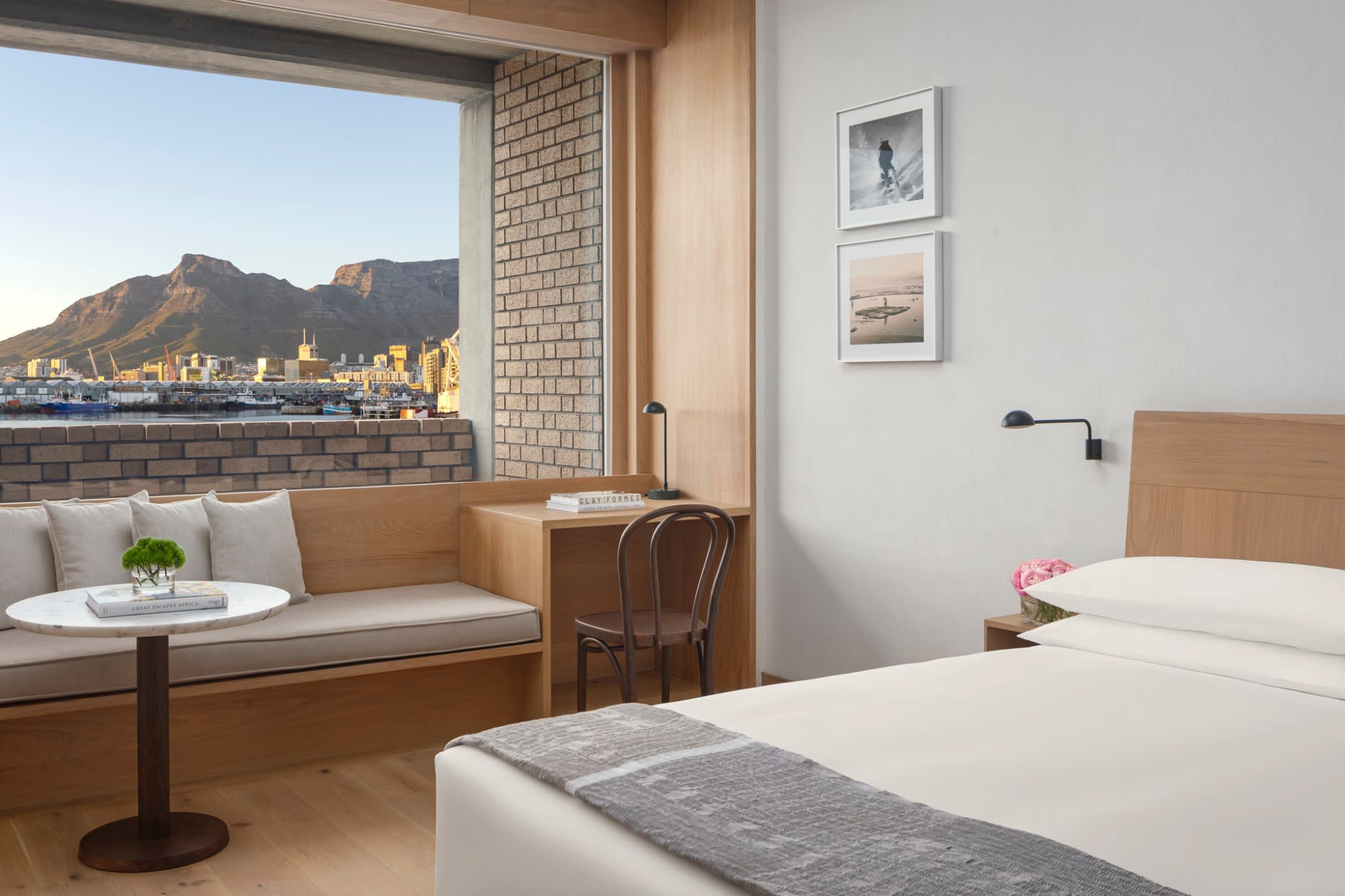
The 142 rooms and suites aim for the comfort of a home rather than the formality of a grand hotel. Bespoke furniture, natural finishes and clever joinery inspired by the travel trunks of the 19th century give the interiors a warm, layered feel, while large windows frame the views that brought travellers to the Cape in the first place. Rugs and custom furnishings woven by Shuttleworth Weaving in KwaZulu-Natal bring local craft into each room.
At the top of the hotel are the Penthouse, at 240 square metres, and the Harbour Suite, at 112 square metres, both with generous living spaces and panoramic outlooks across the Waterfront, the mountain and the sea. The room categories below range from deluxe rooms to one-bedroom suites, each designed to feel residential rather than transactional.
Art Threaded Through the Hotel
Art at The Cape Town EDITION is treated as a portrait of Africa's creative life rather than as decoration. Design Network Africa sourced pieces from makers across the continent, including Zulu ukhamba vessels and recycled glass blown by mouth in Eswatini. Cape Town's Southern Guild curated a collection of established and emerging African artists that brings a sculptural presence to the lobby, the restaurants and the bars, integrating the work so deeply into the architecture that it reads as part of the building's identity rather than a gallery addition.
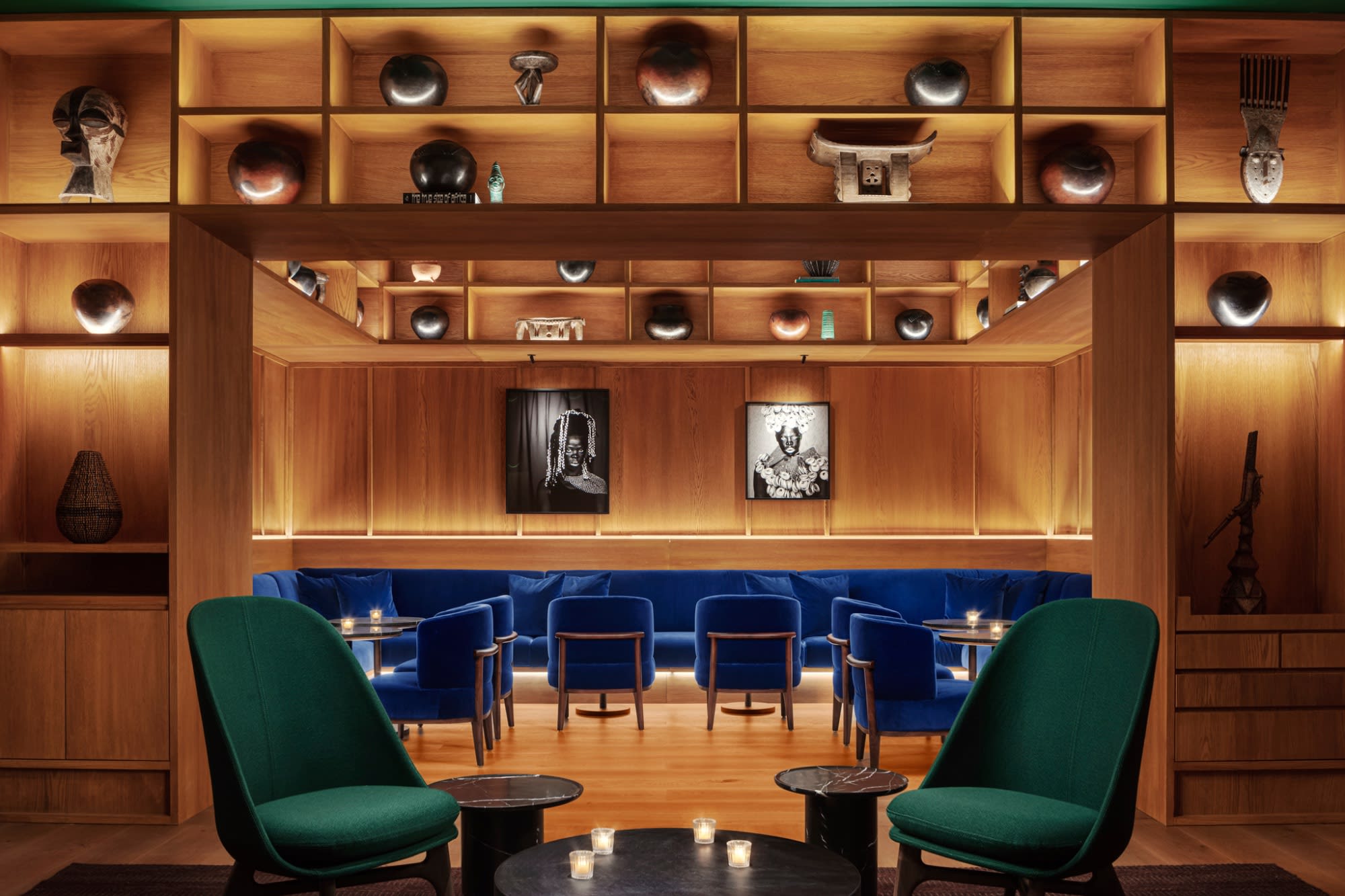
Zanele Muholi's black-and-white photographic portraits hang in the Punch Room. Usha Seejarim's Fading Dish Cloth, made from hundreds of wooden clothes pegs, appears in the spa. Chuma Maweni's ceramics, fired in smoke, bring a sculptural presence to the lobby and dining areas. The curation is not a collection of famous names arranged for prestige. It is a careful, specific selection of work that speaks to Cape Town's position as a meeting point for African art and to the hotel's conviction that art should be encountered as part of the experience, not visited as an exhibit.
Southern Guild curated a collection of established and emerging African artists that brings a sculptural presence to the lobby, the restaurants and the bars.
The Cape Town EDITION
The Cape at the Table
The food and drink are led by Executive Chef Phil Carmichael, whose career spans Berners Tavern at The London EDITION and some of the Cape's most respected kitchens, alongside the award-winning South African beverage partner George Hunter. Together they have shaped a series of restaurants and bars that carry the day from first coffee to the small hours.
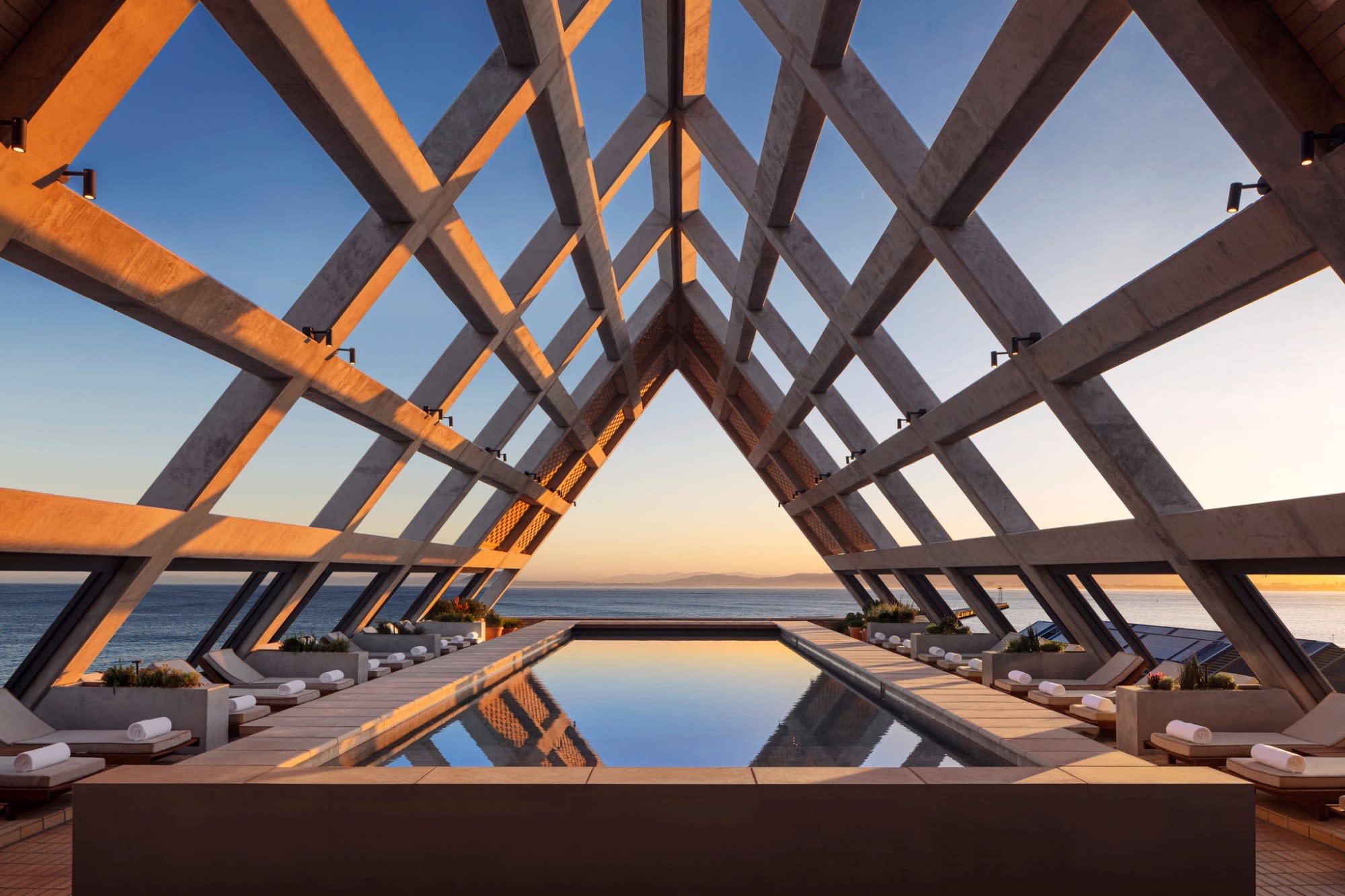
Shale, the signature restaurant, draws on farmers, coastal fisheries, winemakers and independent producers, with meat aged in-house and a wine list that is mostly South African. The cooking is familiar enough to reassure and inventive enough to surprise, as in Saldanha Bay mussels served in a curry veloute with seaweed salad and braised black rice. Up on the roof, EAVE sits beside the heated pool and moves easily from long afternoons to sundowners, dinner and music after dark, with small plates inspired by the Winelands and the coast. The neighbouring Pool Terrace follows the sun through the day, from breakfast to sunset cocktails and light suppers.
On the ground floor, the Lobby Bar is designed to feel like a Cape Town living room, with a striking bar and a pool table, where morning meetings slip gently into evening drinks. The Punch Room revives a drinking ritual once carried along the trade routes that passed through the Cape, with wood panelling, velvet banquettes, low lighting and punches served in large bowls for sharing. Its local signature, Brandewijn, combines brandy, Pinotage, rooibos, pineapple, lemon and winter spice, a glass that holds a good deal of the region's history in a single pour.
Below the Waterline
The spa lies below sea level, sheltered from the energy of the Waterfront above. Five treatment rooms, a couples' suite, a sauna and steam room, infrared beds and Therabody recovery boots form a wellness space that combines skincare, massage, fascia work and aromatherapy using Omorovicza's mineral-rich products. Upstairs, a gym open around the clock and a daily programme of yoga, breathwork, sound baths and movement sessions beside the rooftop pool continue the theme of rest and renewal.
For those gathering in larger numbers, there is a ballroom for up to 200 guests, a boardroom, two meeting studios and a private event terrace, as well as Vantage, a rooftop event space. Receptions can move out to the harbour edge, cocktails up to EAVE and dinners down to Shale.
A Hotel for the City as Much as Its Visitors
The real test of a hotel like this is whether the city takes it to heart. Leonie Andereya, the General Manager, is clear about the ambition. We want The Cape Town EDITION to feel as relevant to a Capetonian as it does to someone visiting the city for the first time, describing a place that is sophisticated but never formal, where locals and travellers meet over food, culture and conversation.
If The Drum fills with Capetonians climbing up to watch the evening light settle on Table Mountain, and the Punch Room becomes the place friends meet on a Friday night, EDITION will have achieved something more lasting than a successful opening. It will have given the city a new room of its own.