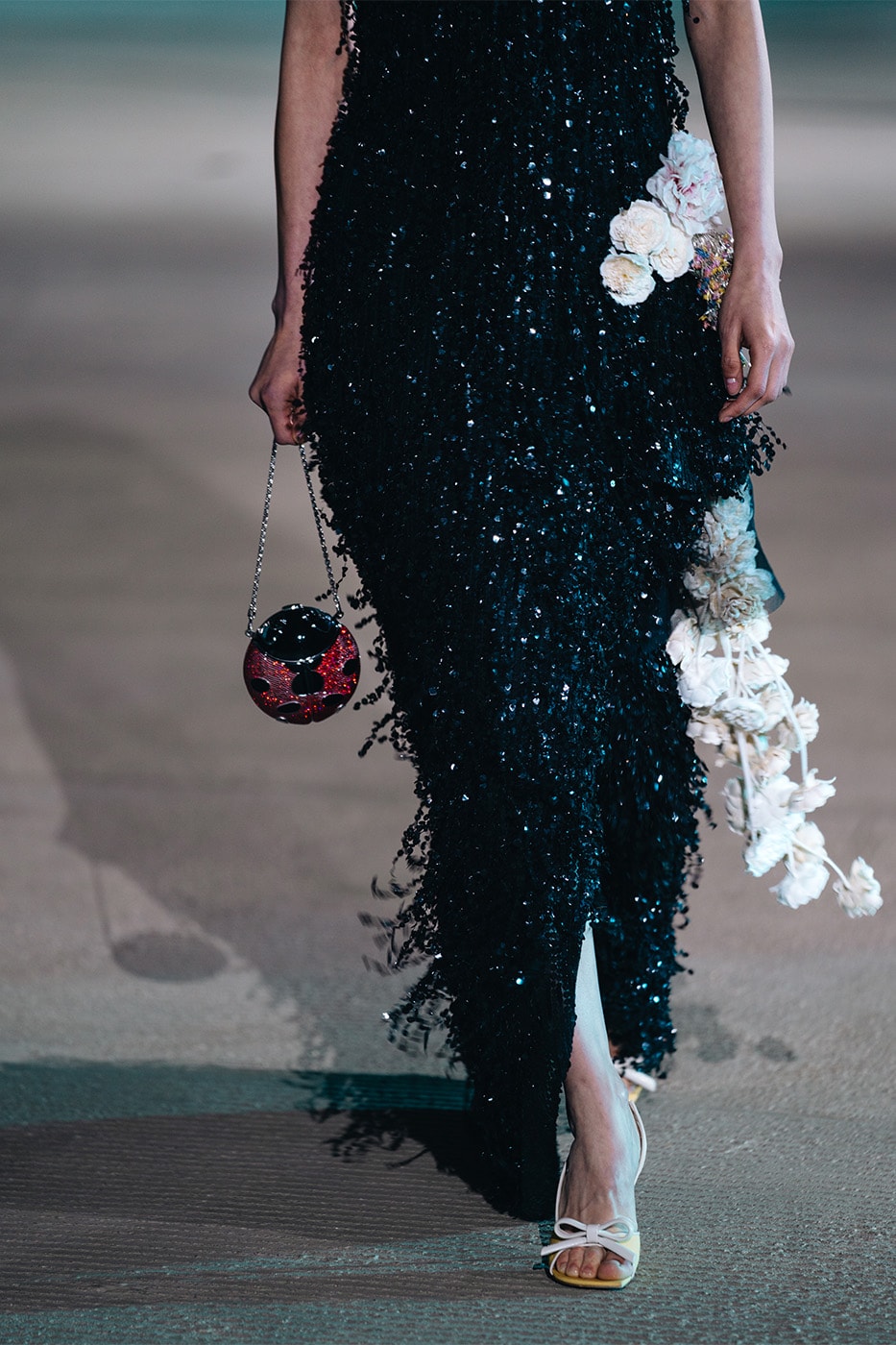
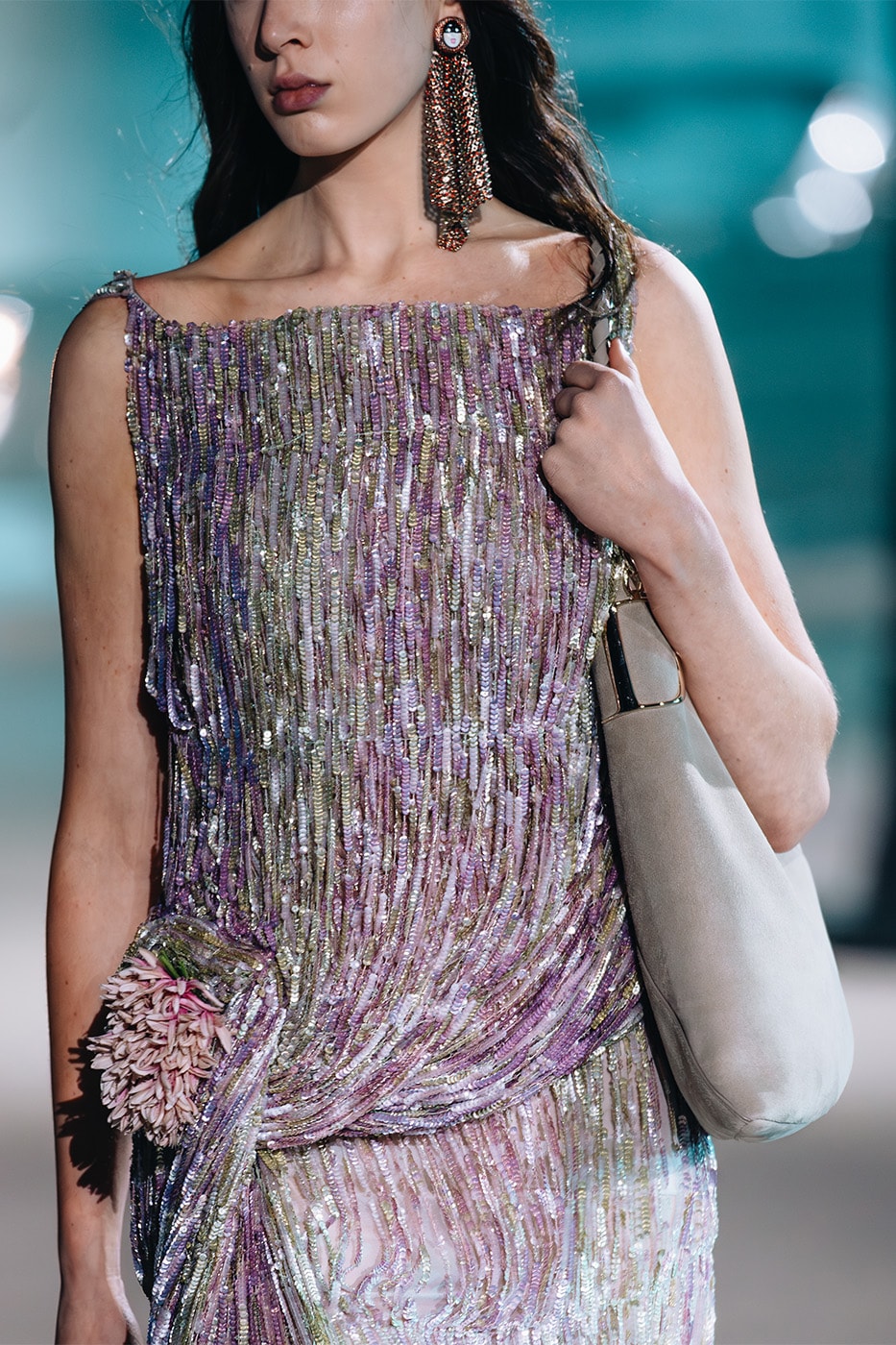
Jonathan Anderson's first Cruise show for Dior was never going to be quiet. Staged at the Los Angeles County Museum of Art on 13 May, the collection, titled "Wilshire Boulevard," arrived less than a year into his tenure as creative director of Women's Collections and carried the weight of expectation that follows any designer stepping into one of fashion's most storied houses. What Anderson delivered was a show that took Christian Dior's Hollywood history seriously, not as nostalgia, but as a living argument about what fashion means in a city built on image-making.
The historical grounding runs deep. Christian Dior designed costumes before founding his house, contributed to Jean-Pierre Melville's Les Enfants Terribles and Alfred Hitchcock's Stage Fright, and received an Oscar nomination in 1955. The golden age of Hollywood and the golden age of Dior were not parallel phenomena, they were in active conversation, mediated by women like Lauren Bacall, Grace Kelly, and Marilyn Monroe, each of whom wore the house at moments that defined both their public images and Dior's cultural reach.
Anderson's Cruise 2027 collection began from that history and asked what it looks like in 2026, in a city that has changed considerably. The show opened with a buttercup yellow dress decorated with rosettes before moving through a luminous orange poppy-field dress. A Dior Gray wool flannel coat striped with the geometric shadows of Venetian blinds arrived as one of the show's most quietly forceful moments, a direct citation of film noir's visual grammar rendered in house fabric.
The collection's most talked-about pieces are likely to be the Ed Ruscha shirts. The Los Angeles artist, whose five-decade practice of placing words against atmospheric Californian backgrounds amounts to one of the most coherent meditations on the city ever produced, brought a sensibility that Anderson described as capturing "the sense of the mundane in relation to the city's grandeur." These are not garments with an artist's name attached for marketing purposes. They are the collection's clearest statement about what it means to make clothes in and for this specific city.
Philip Treacy's headpieces deserve their own mention. The milliner reworked a technique originally developed for Isabella Blow's iconic "BLOW" hat, using feathers to form lettering and typography with exacting precision while keeping the pieces weightless. Elsewhere, denim jeans meticulously embroidered with fine silver chains to mimic cotton strands compressed the gap between everyday wear and couture, a signature Anderson instinct for finding luxury in unexpected places.
Accessories told a parallel story. The updated Saddle bag, finished with car paint surfaces and motor key charms, drew directly from Los Angeles' vintage automotive culture. A nautilus-inspired minaudiere and a new crescent-based shoe silhouette extended the collection's botanical thread. The overall reception suggests Anderson has found his footing quicker than sceptics expected, balancing high-concept runway theatre with pieces that genuinely invite wearing. For a house whose Cruise shows have become statements of intent, this one felt like Anderson drawing a line: Dior belongs in Los Angeles, and the conversation is just getting started.