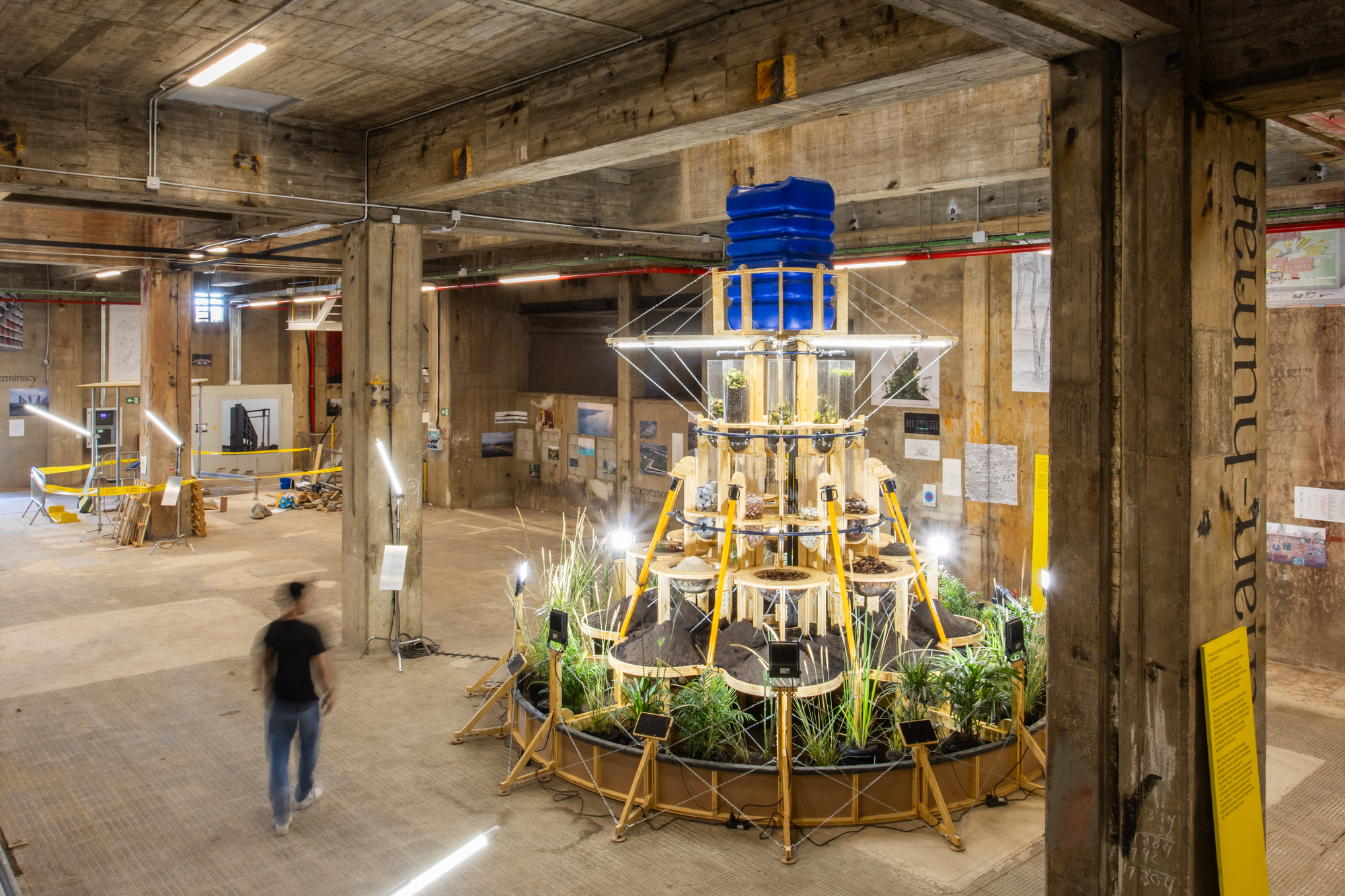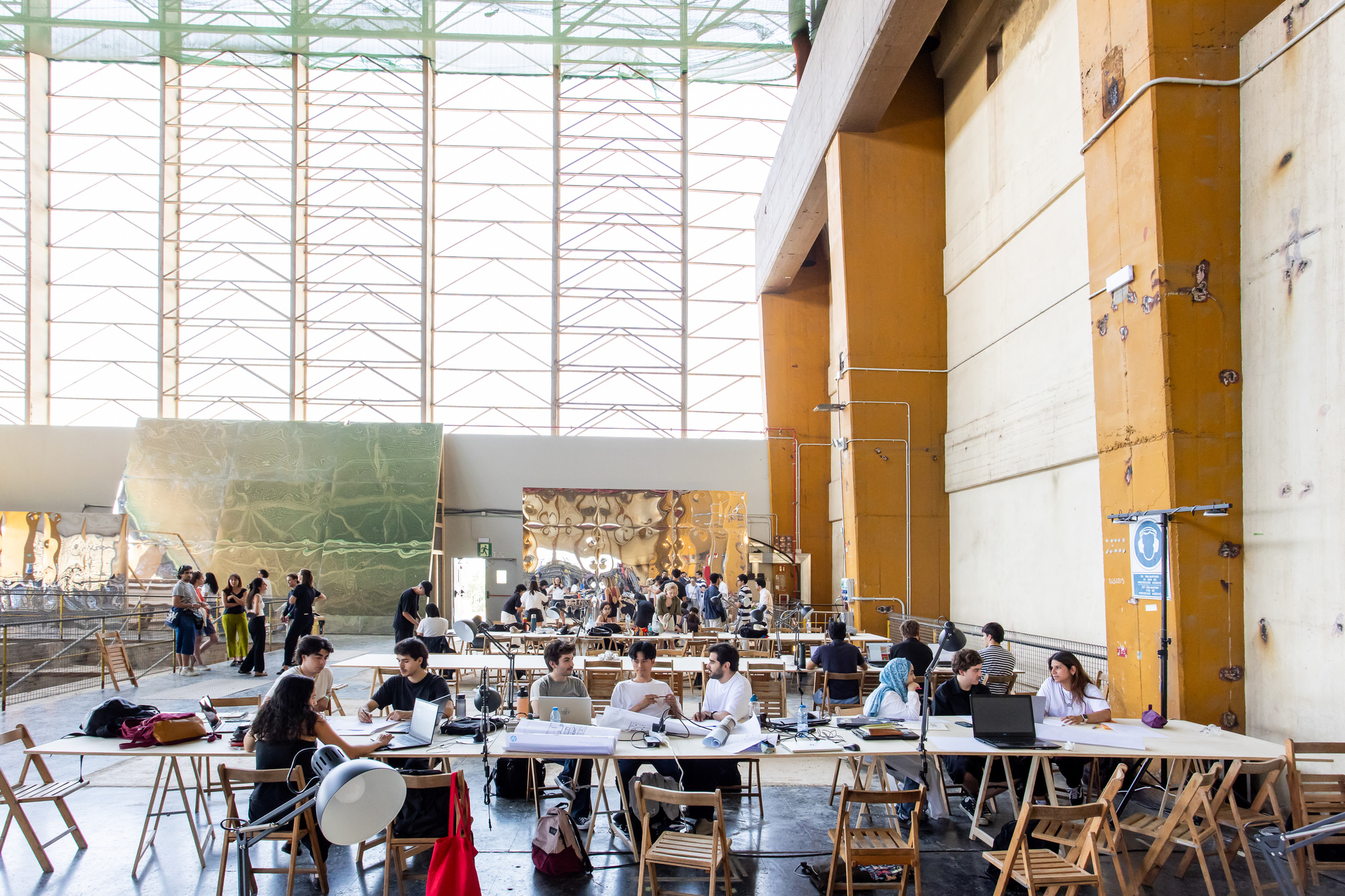
Barcelona became architecture's global capital last week as the 2026 UIA World Congress of Architects opened under the theme "Becoming: Architectures for a Planet in Transition." Ten thousand professionals, students and institutional representatives from more than 130 countries gathered across the city's venues, from the Three Chimneys power plant in Sant Adrià de Besòs to the Barcelona International Convention Centre, for five days of plenaries, debates, workshops and exhibitions addressing the climate emergency, the housing crisis and the future of public space.
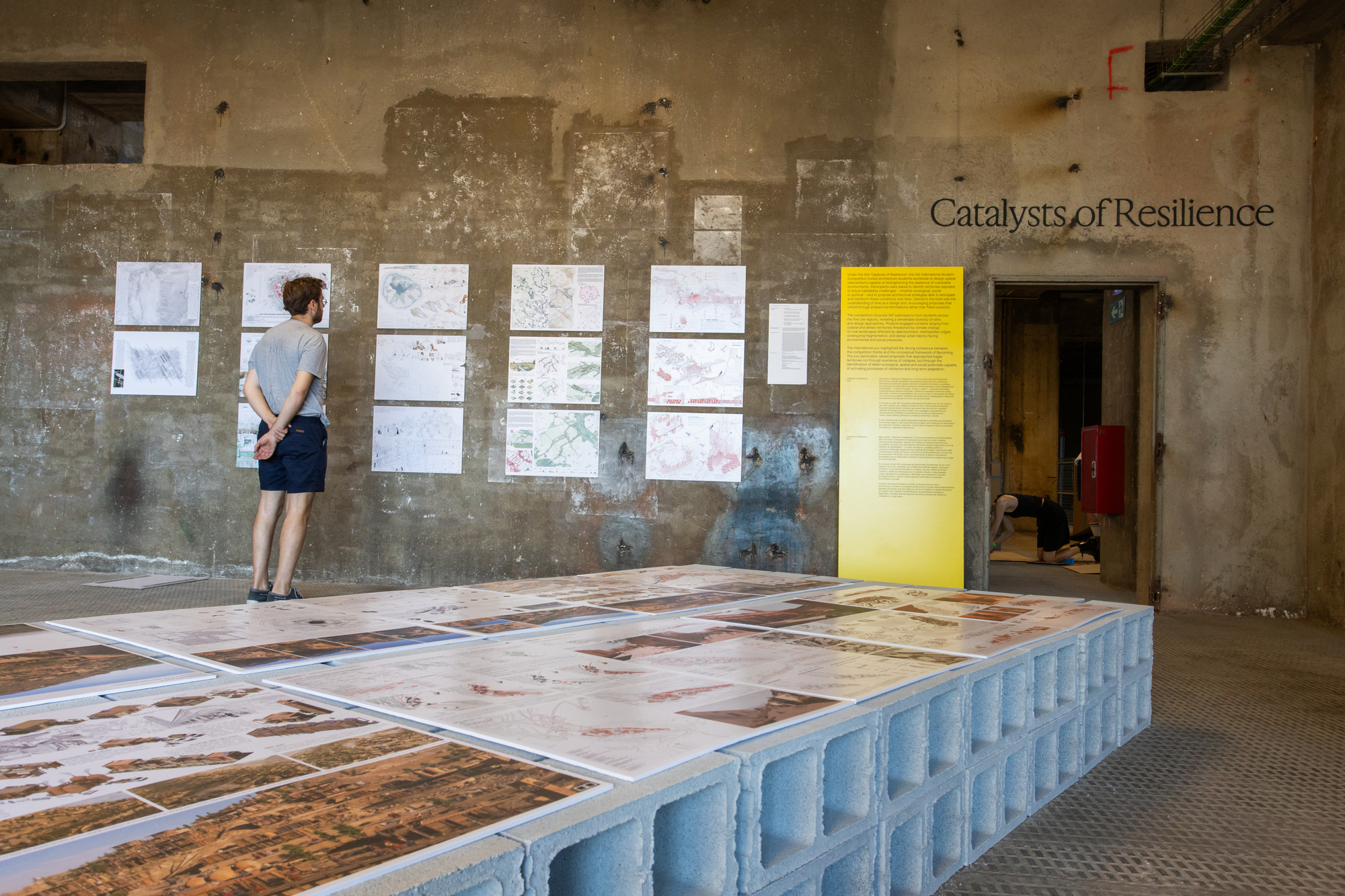
The congress opened on 28 June at the Three Chimneys, a former power station now reimagined as a cultural venue, and ran through 2 July. Six thematic axes structured the programme: Becoming More-than-human, Becoming Circular, Becoming Embodied, Becoming Interdependent, Becoming Hyper-Conscious and Becoming Attuned. Each framed a different facet of architecture's response to ecological and social upheaval, from material circularity and digital systems to cultural production and governance. The central exhibition, curated by Pau Bajet, Mariona Benedito, Maria Giramé, Tomeu Ramis, Pau Sarquella and Carmen Torres, presented 12 Research by Design projects alongside work from 180 international students who participated in the Emerging Workshop.
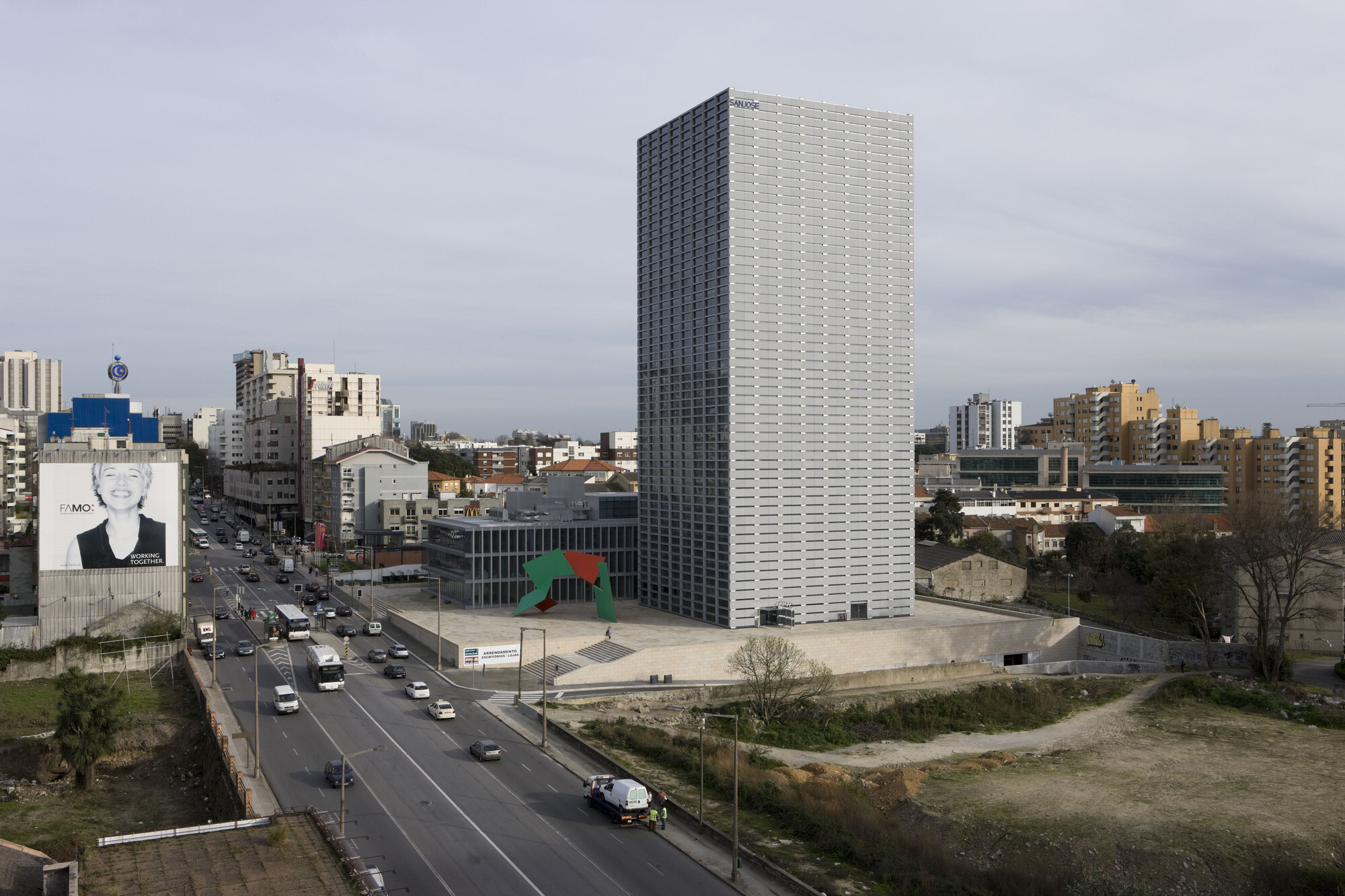
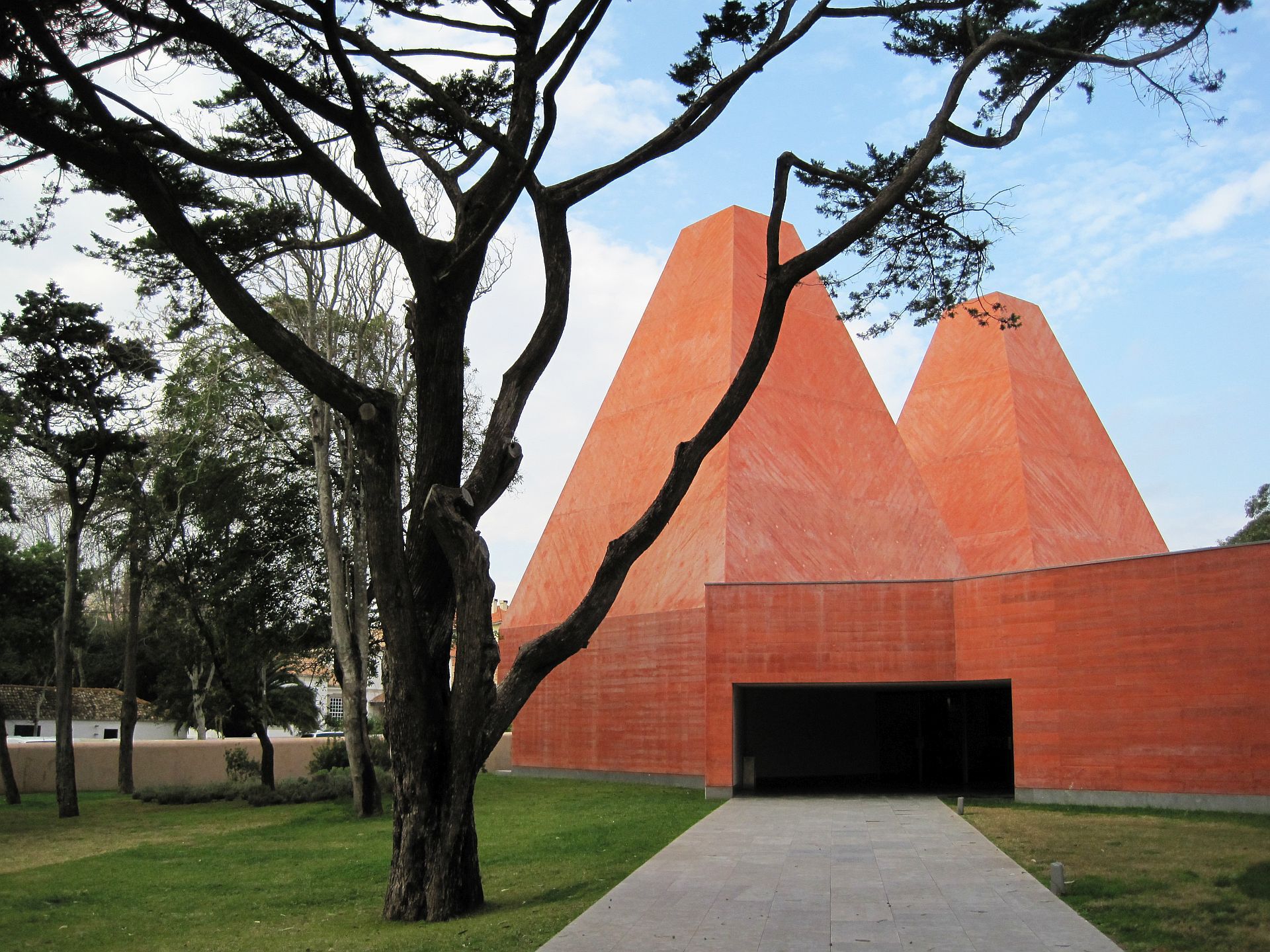
The defining moment came on the evening of 30 June, when the Basílica de la Sagrada Família hosted the presentation of the 2026 UIA Gold Medal to Portuguese architect Eduardo Souto de Moura. The medal, established in 1984 and awarded every three years, is the highest distinction granted by the International Union of Architects. The UIA recognised Souto de Moura's architecture for its "intelligence, restraint, and a profound sense of responsibility toward society," noting a body of work defined by contextual sensitivity, material precision and lasting influence on contemporary practice rather than formal spectacle.
The ceremony, attended by the Portuguese President and representatives of the international architectural community, took place inside Gaudí's unfinished basilica, an extraordinary setting for architecture's most prestigious individual honour. It added a further layer of symbolism: 2026 has been designated Gaudí Year in Barcelona, coinciding with progress toward the Sagrada Família's projected completion.
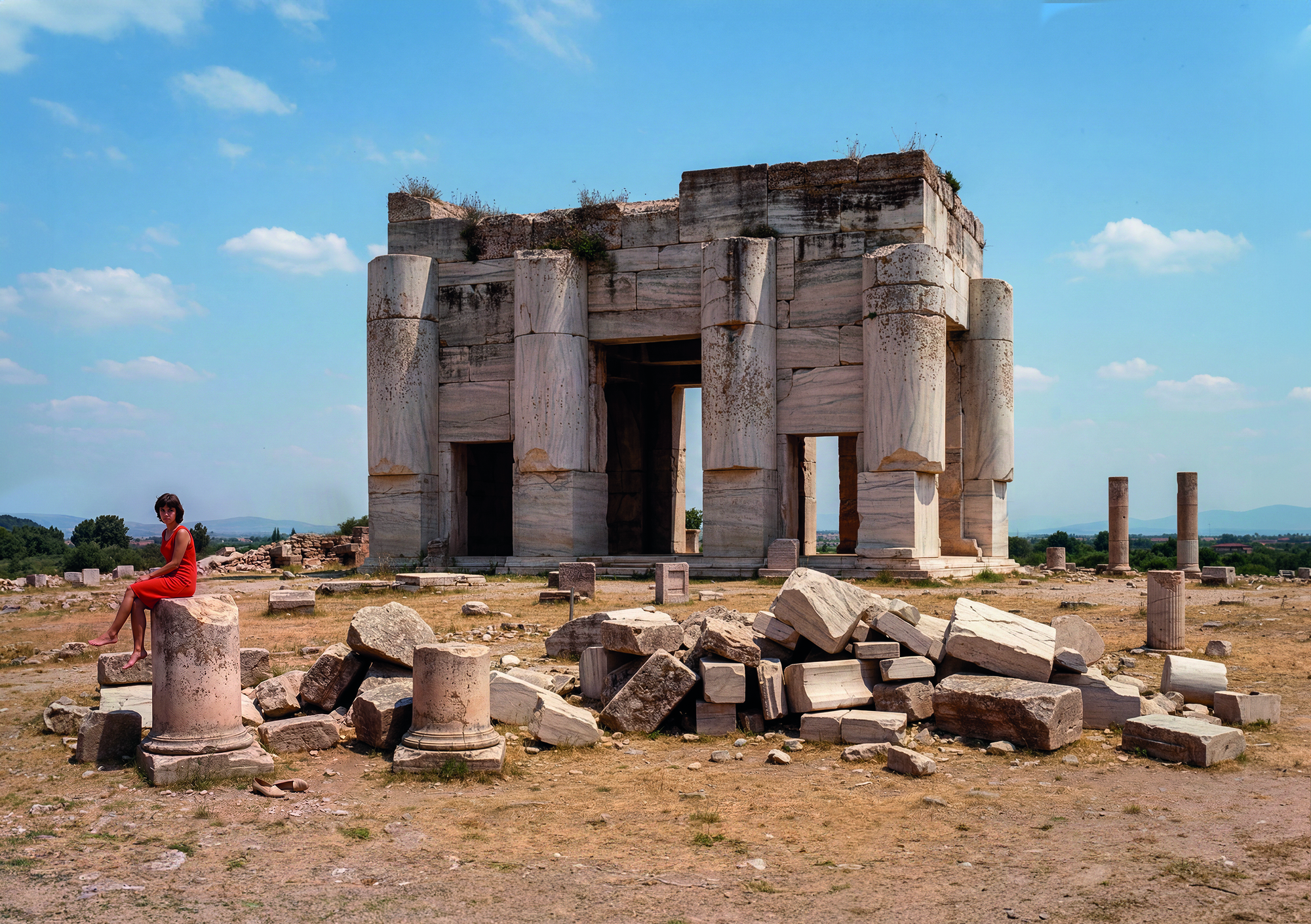
Beyond the medal, the congress programme extended across Barcelona. The Disseny Hub Barcelona hosted free public talks and an exhibition of 207 works showcasing the best of Spanish architecture over the past 30 years. At Moco Museum Barcelona, Souto de Moura opened Ucronia: Imaginary Monuments, an installation produced by Casa da Arquitetura that transforms previously unseen drawings from 1975 to 1976 into moving-image works, curated by Pedro Bandeira and Paula Melâneo. The installation previews a larger exhibition scheduled for Matosinhos, Portugal, in 2027.
For a discipline confronting urgent questions about housing, climate and public trust, the choice of Barcelona, a city that has repeatedly remade its own urban identity, felt apt. The congress may have ended, but the conversations it started, about who buildings are for and what the profession owes the planet, will shape practice for years to come.