Maria Grazia Chiuri's return to Fendi felt less like a debut and more like a homecoming. The designer, who first joined the Roman house as an accessories specialist in 1999 before her tenure at Dior, walked back into familiar territory for Fall/Winter 2026, and the message was unmistakable: craftsmanship over branding, always.
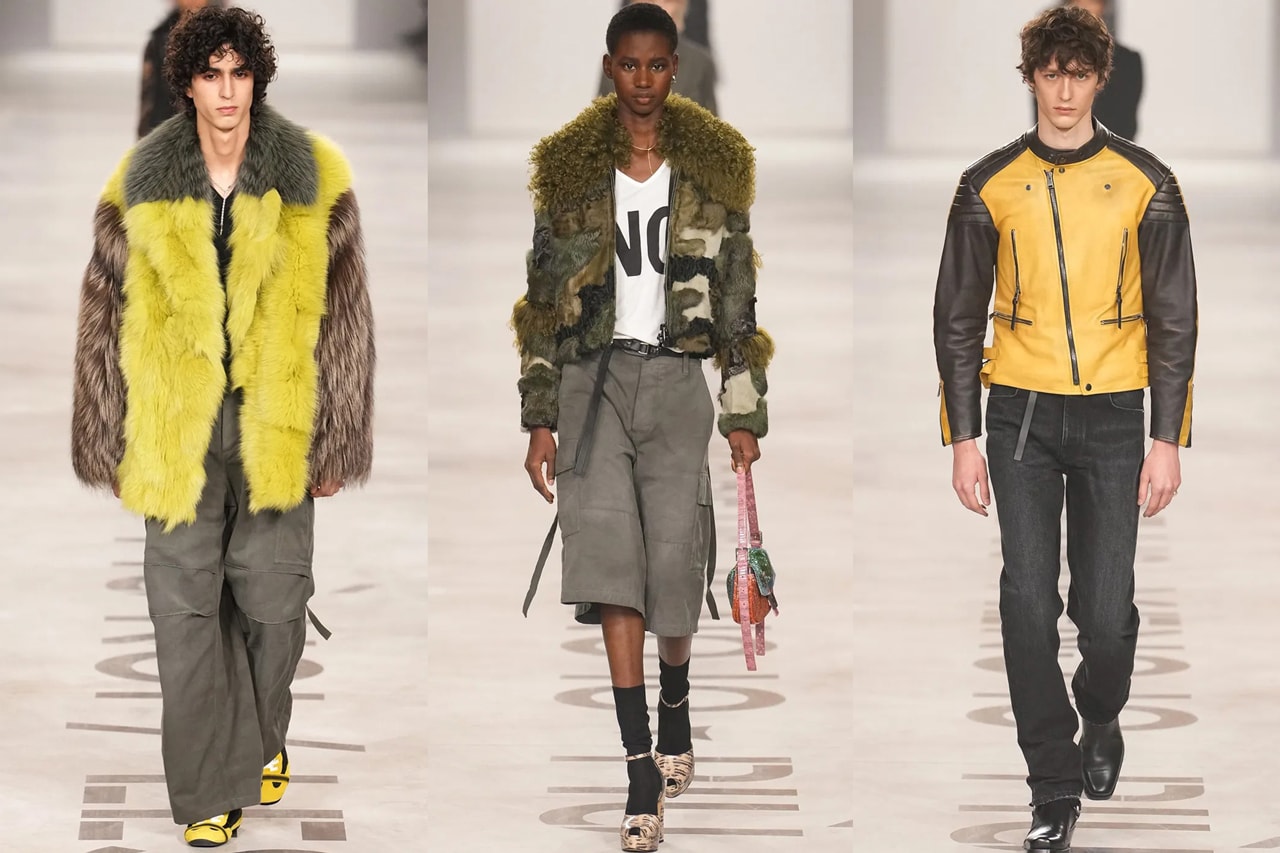
The collection's most significant gesture was what it left out. The FF monogram, a fixture of Fendi's recent commercial identity, was almost entirely absent. In its place, Chiuri introduced ornate leather embroideries, floral appliques on fur-lined vests, and a technique where small leather flowers are pressed against white backgrounds to mimic cracked surfaces. It's the kind of detail that rewards a second look, which feels like the entire point.
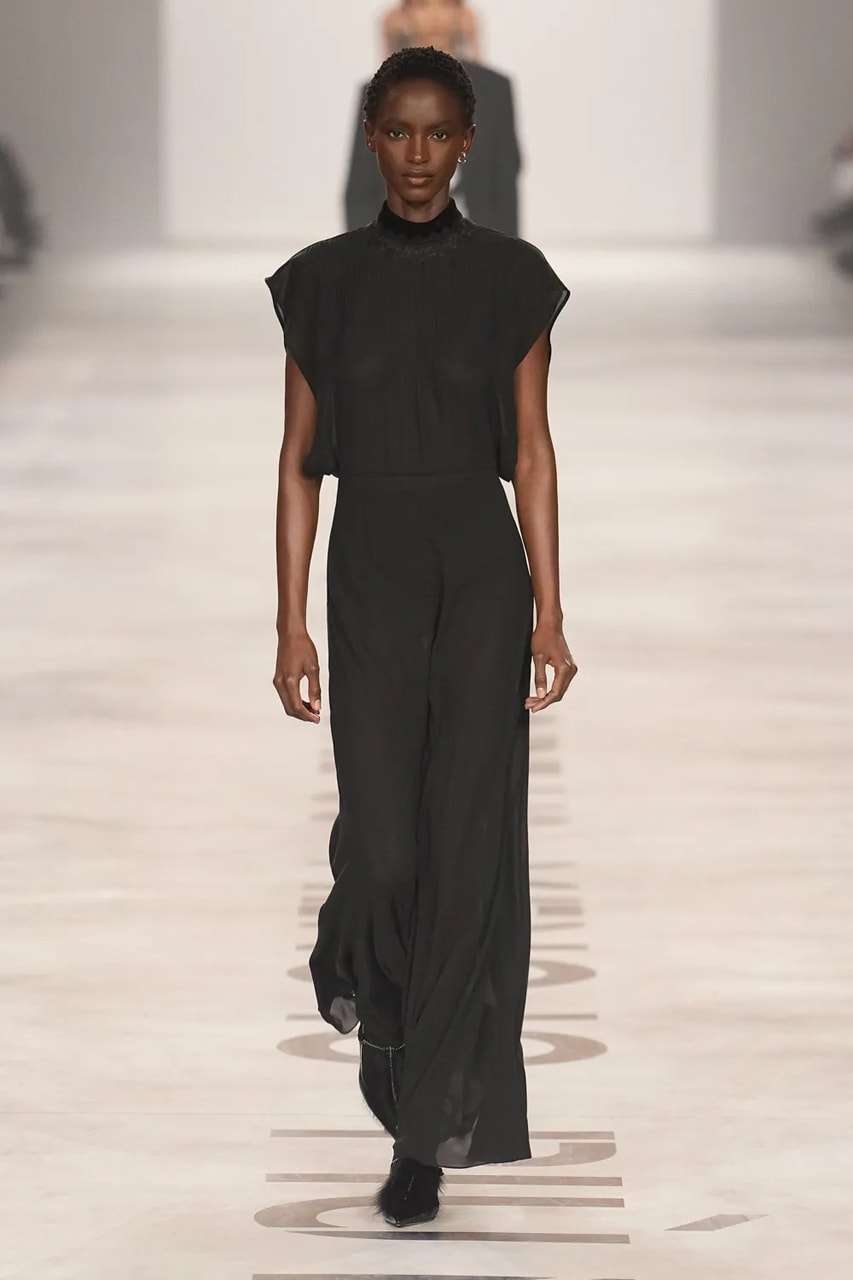
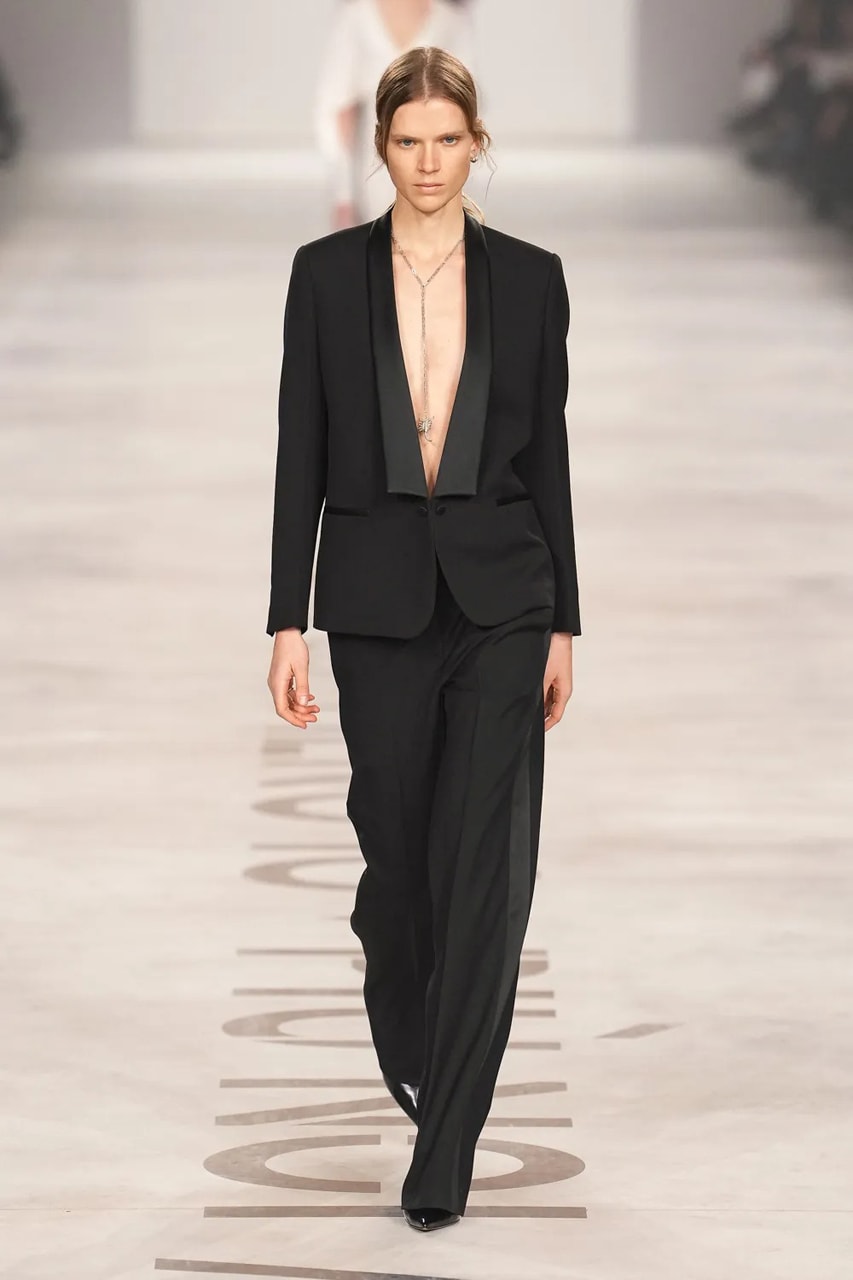
Fendi's legacy in fur got a confident refresh. A neon yellow-green coat opened the show with unapologetic boldness, while mixed-fur patchwork pieces added texture and warmth throughout. The palette otherwise stayed restrained, dominated by black and white, with elongated lace slip-dresses and translucent gowns worn with collar chokers that balanced sensuality with structure.
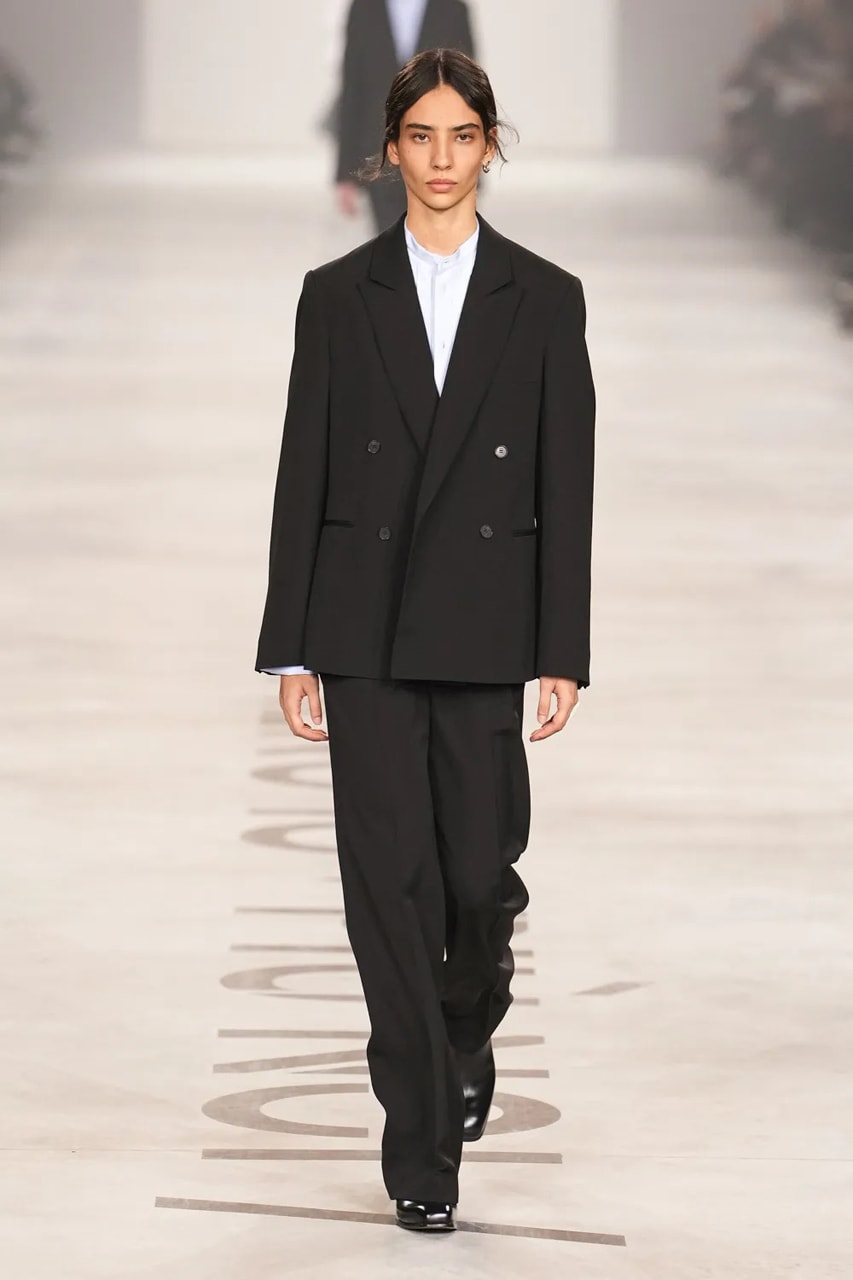
The menswear offering was equally considered. Blazers arrived with diagonal toggle-straps that suggested harnesses without committing to them, while fur collars softened the darker, patinated looks. The coed runway format reinforced the collection's motto, stamped in black at the venue: "Less I, More Us."
Chiuri nodded to the Viennese Secession movement, a Karl Lagerfeld reference point, through geometric cuts and early 20th-century evening silhouettes. But she kept things grounded with modern touches: a black and yellow biker jacket, zebra and tiger print bags, and military-inflected garments that stopped short of costume. Accessories, predictably, were the strongest suit, with oversized wrap shades and structured handbags that will likely define Fendi's commercial season.
This wasn't a revolution. It was something more effective: a course correction. Chiuri has taken Fendi's best qualities, its material expertise, its Roman sophistication, and cleared away the noise. The monogram will probably return eventually, but for now, the clothes are doing the talking.