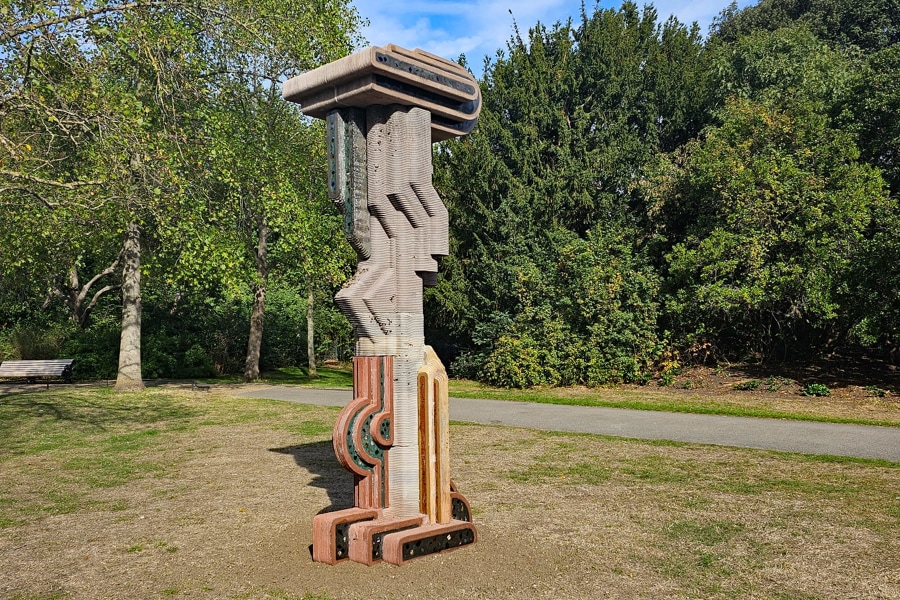
The art world is descending on London. From 14 to 18 October, Regent's Park becomes the global capital of contemporary art as Frieze London and Frieze Masters return side by side, bringing more than 170 galleries from over 40 countries into a single sprawling tented village. Outside the marquee, the park itself has already transformed. Eleven large-scale sculptures are installed across the English Gardens as part of Frieze Sculpture, the free public exhibition that opened early and remains on view until 1 November.
The Booths to Watch
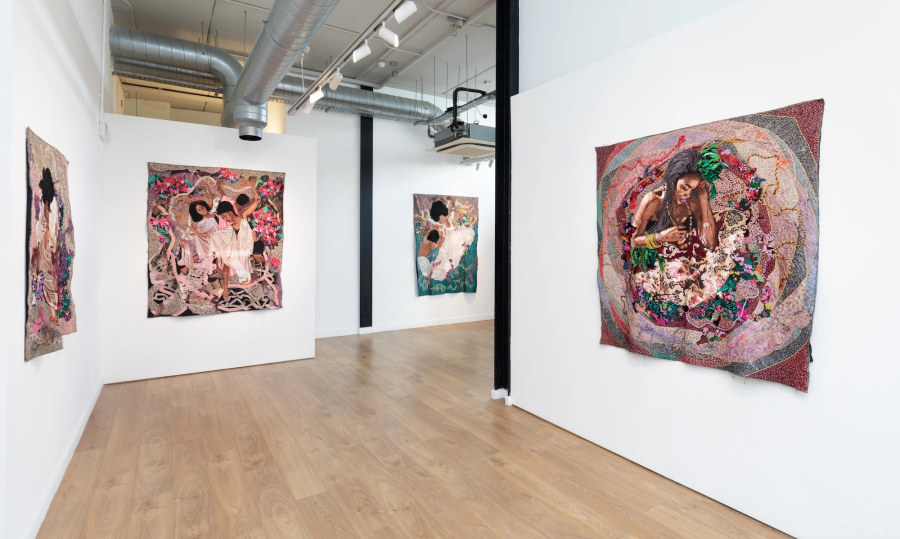
Inside the main tent, the lineup is a roll call of the world's most influential galleries. Gagosian presents six major new large-scale paintings by Albert Oehlen, whose restless, layered canvases continue to push abstraction into unpredictable territory. Lisson Gallery brings new work by Dalton Paula, whose paintings draw on overlooked Black histories in Brazil. Pace Gallery shows Marina Perez Simao, whose fluid landscapes shift between geography, memory and changing light.
Hauser and Wirth builds its booth around a powerful grouping: Frank Bowling, Sonia Boyce and Thomas J Price alongside George Condo and Angel Otero. Spruth Magers centres its presentation on Kara Walker and Cao Fei, two artists whose practices dissect race, history and technology from radically different angles. The sheer range of work on offer, from established names to emerging voices, is what makes Frieze London such a critical barometer for the contemporary market.

Frieze Masters and the Sculpture Park
A 15-minute walk through Regent's Park takes you to Frieze Masters, where more than 140 galleries present art made before the year 2000. This year introduces a new curatorial thread, Queering Modernism, which examines the role of gender and sexuality in shaping 20th-century art. The Spotlight section returns with a focus on the 1950s to 1970s, unearthing lesser-known artists alongside established names that have slipped under the radar. Piano Nobile shows a commanding Paula Rego painting of a woman playing a harmonica, while Dubai's Gallery Isabelle presents mixed-media works by Iranian artist Fereydoun Ave.
Back outside, the sculpture trail features Douglas White's Black Palm, a tree made from exploded car tyres, and Carolina Aguirre's Held, two bronze halves connected by white quartz from her family home in Uruguay. The sculptures are free to visit and offer a more contemplative counterpoint to the commercial energy inside the tents.
The Frieze Artist Award: A Spider You Can Climb
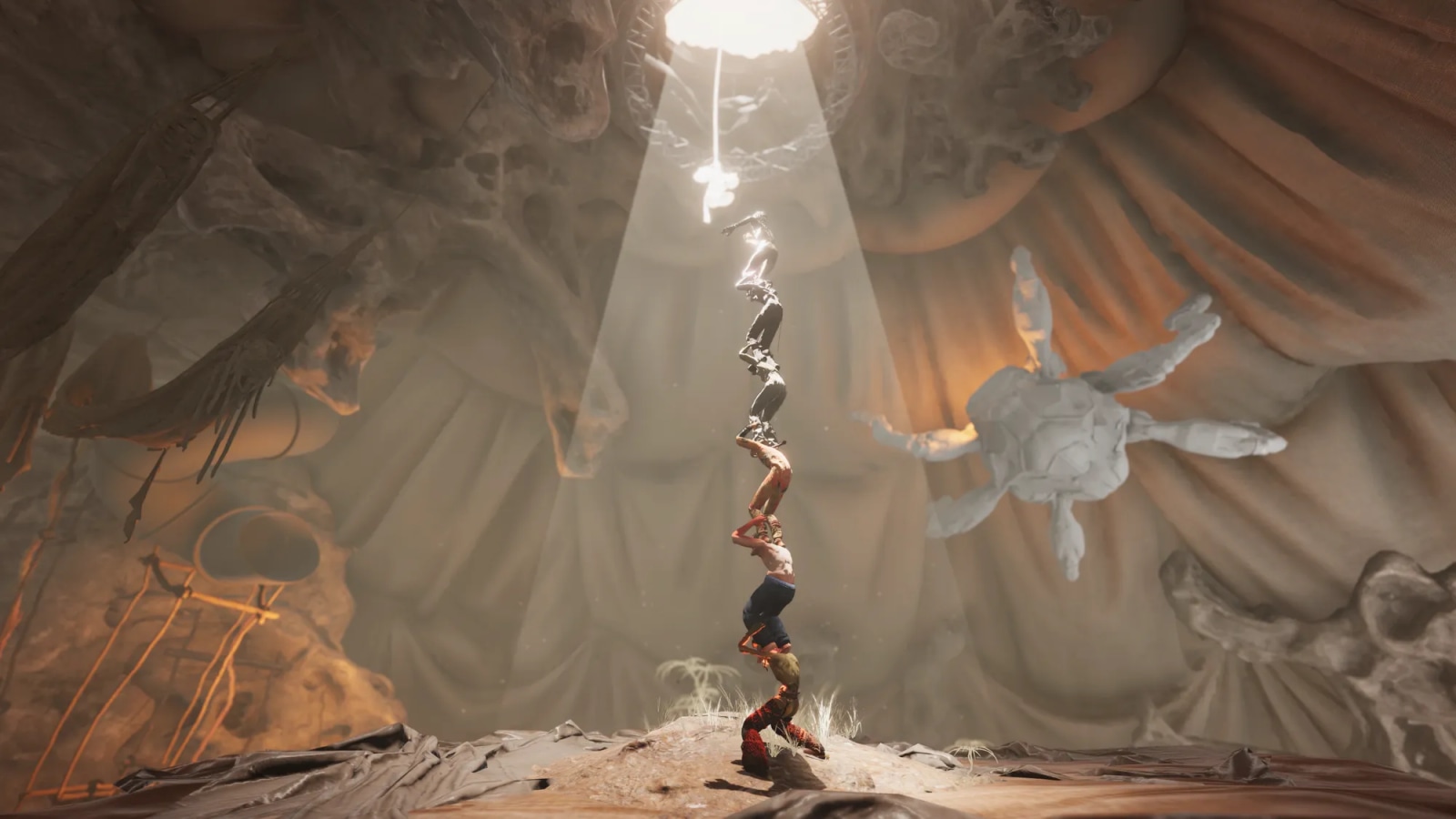
This year's Frieze Artist Award has gone to Athens-based artist Theo Triantafyllidis, whose Feral Metaverse (Spider) is part climbable sculpture, part multiplayer video game. The giant spider structure, soft to the touch and strangely inviting, sits inside the fair while a shared digital environment extends the experience online. Visitors who climb onto its legs enter a virtual world where they cooperate, move and form temporary collective bodies together.
The project was developed with a team of sculptors, fabricators, textile designers and game developers, with Google Arts and Culture as a collaborator. It is weird, playful and unexpectedly tender, a work that asks what happens when a gallery piece becomes a physical game. The spider, as Triantafyllidis puts it, is the original engineer.

Satellite Fairs Across the City
Frieze Week has never been just about Frieze. PAD London brings historical and contemporary design to Berkeley Square from 13 to 18 October, with galleries showing everything from Murano glass to high jewellery conceived as wearable art. At Somerset House, 1-54 Contemporary African Art Fair returns for its 14th London edition with a new focus on African Modernism, curated by Dr Nancy Dantas. Minor Attractions takes over The Newman hotel in Fitzrovia with 75 exhibitors and a programme that spills into music, performance and nightlife.
New arrivals this year include Fair Play Art Fair at One Marylebone, which removes upfront booth fees and lets artists sell directly to visitors, and Paraiso, a fair dedicated to Latin American art at Ambika P3. London Invitational keeps things deliberately compact with just 12 galleries at The Chancery Rosewood. Whether you are collecting, browsing or simply curious, Frieze Week 2026 confirms that London in October is the best place on earth to look at art.