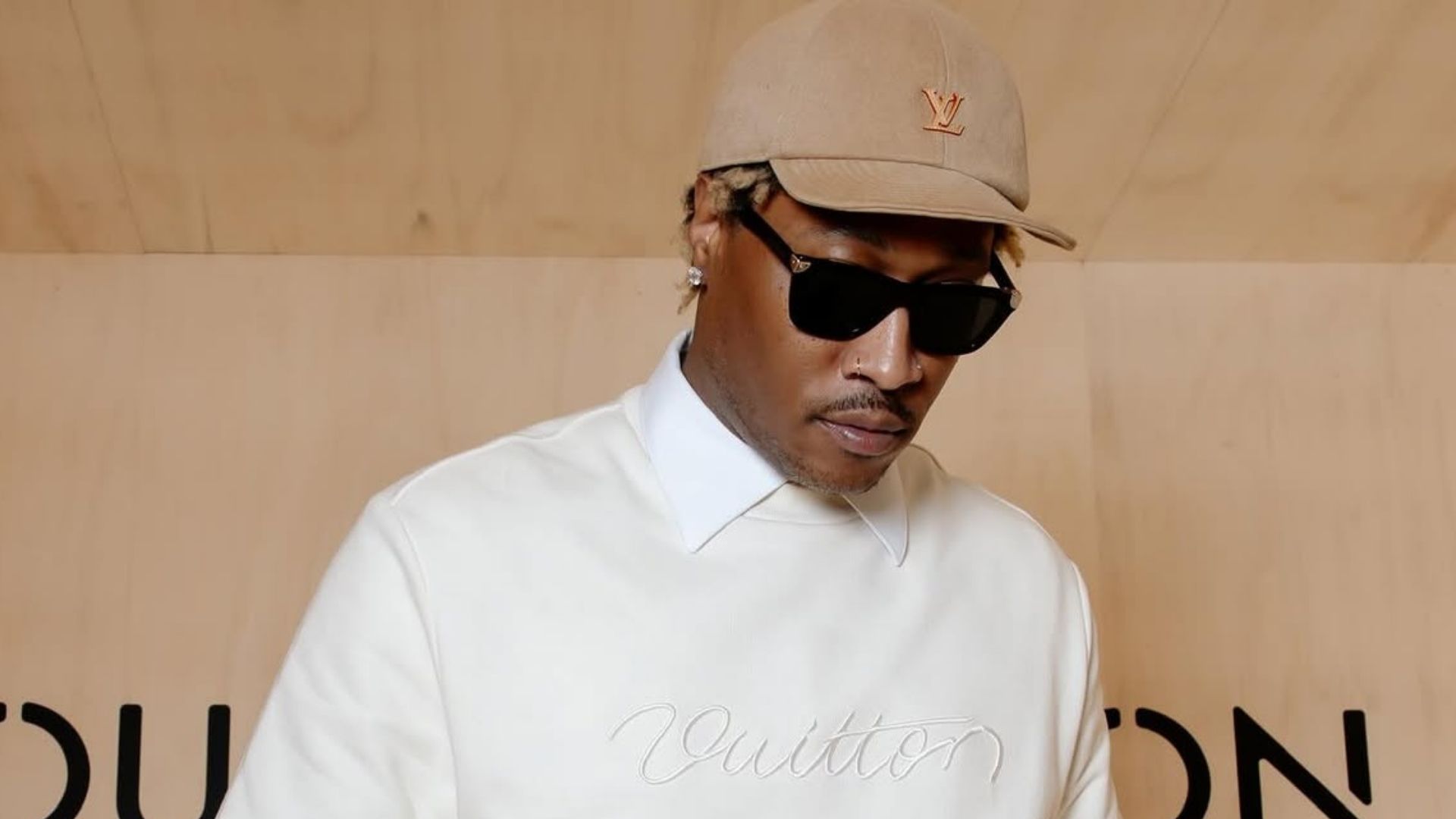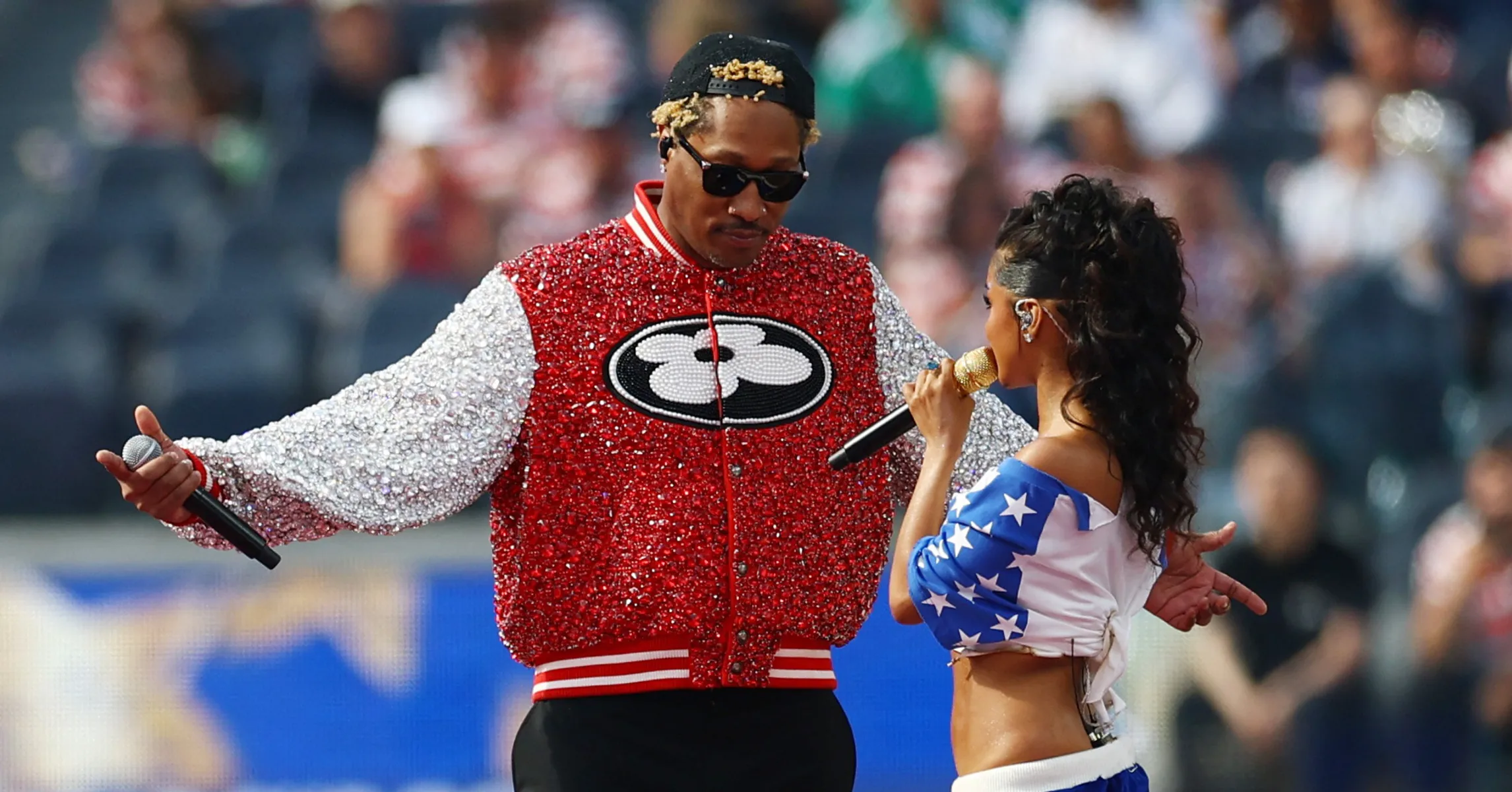
When Future announced The Real Me, the title alone was enough to set the rap world alight. Here was the man behind some of the most influential trap music of the past decade, suggesting he might finally pull back the curtain on the person beneath the persona. The single "Radio", released ahead of the album, seemed to confirm it: "A lot of people want the spot when I don't even want the crown," he rapped, a line that felt like a confession from someone weary of his own mythology.
The album opens with "Fukk a Interview", which kicks off with an Afroman clip from his defamation lawsuit victory, a pointed declaration that Future intends to speak on his own terms. It is a strong start, powered by production that sounds like the opening rumble of an apocalyptic storm. But from there, The Real Me begins to follow a more familiar path.
The 22-track project, released through Freebandz and Epic Records, is entirely featureless. No guest verses, no vocal assists. It is just Future and a rotating cast of producers: ATL Jacob, DJ Spinz, Pharrell Williams, Southside, TM88 and Wheezy among them. The production is consistently atmospheric, layered with the kind of thrumming bass and shimmering hi-hats that have defined Future's sound since DS2. Tracks like "Konnichiwa" and "Snow in Skyami" find him in full Super Future mode, delivering depraved earworm rhymes that sit comfortably within his established wheelhouse.
There are genuine flashes of introspection. "No Misery" opens with an Andre 3000 clip from the 2024 documentary The Wizrd, where Andre praises Future's ability to channel pain into music. It is a thoughtful setup that teases the kind of vulnerability the album title promises. Yet Future spends much of the same track boasting about sexual conquests, a tension that runs through the entire project.
Pharrell's contribution is a standout. His beat on one of the record's highlights is infectious, packed with explosive drums and a melodic hook that sounds like it could have been written for Ty Dolla $ign. Future meets the energy, turning in one of his more memorable vocal performances.
The real frustration with The Real Me is that Future has the talent and the catalogue to justify a genuine introspective pivot. He comes from the Dungeon Family lineage, a collective that changed the trajectory of hip-hop through genuine musicality and lyrical depth. When he taps into that heritage, the results are compelling. But too often, he retreats into familiar territory: trap quotables about codeine, wealth and distrust that feel less like revelations and more like reruns.
As a trap album, The Real Me is proficient. Future's ear for production remains sharp, and his melodic instincts are as strong as ever. But as the introspective statement its title promises, it falls short. The man behind the mask is still wearing one.