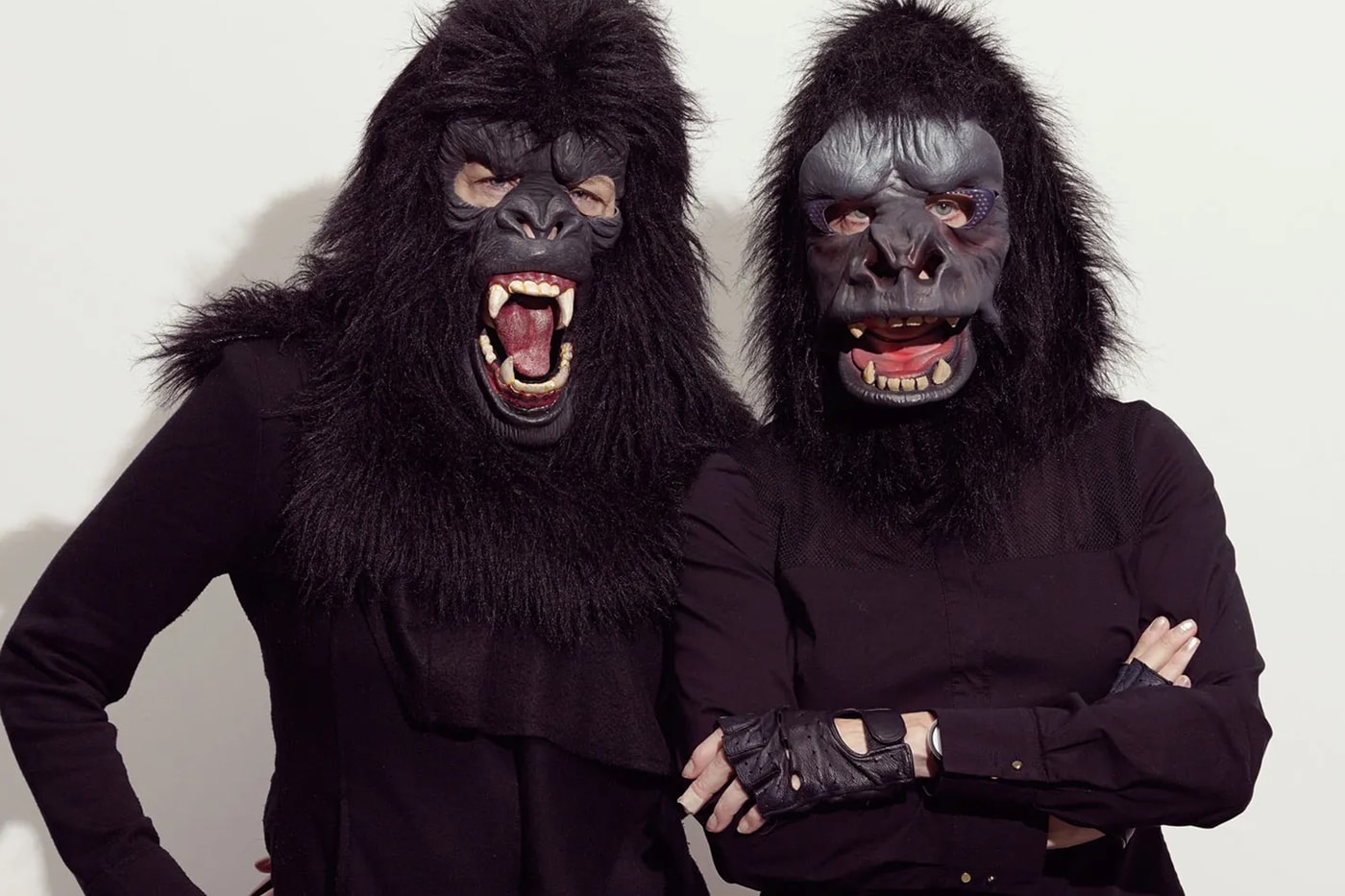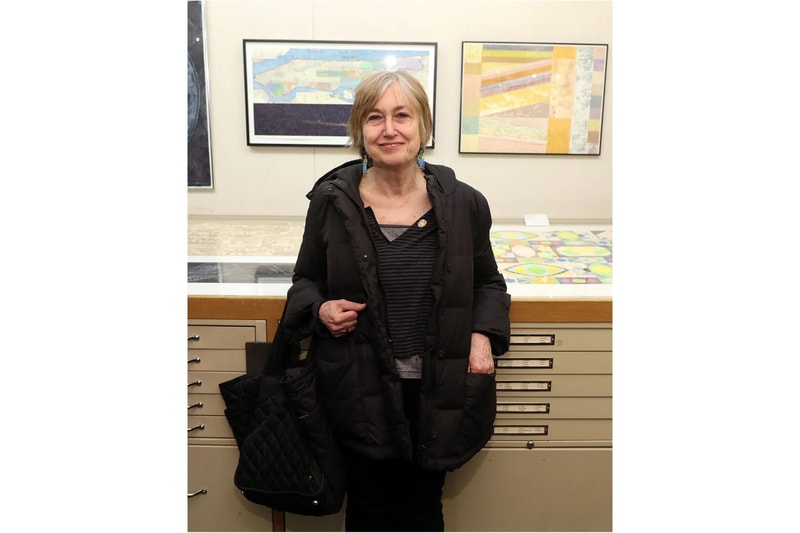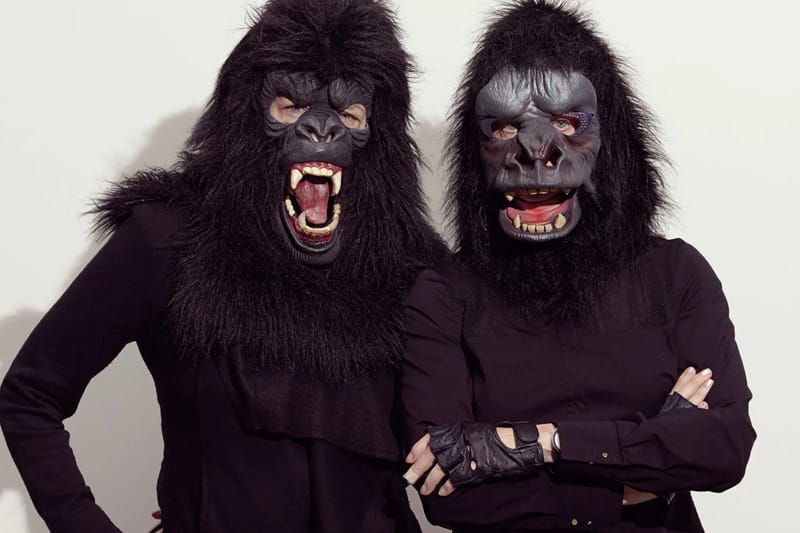
For 41 years, one of the art world's most enduring mysteries has been the identities behind the Guerrilla Girls, the anonymous feminist collective that has been calling out racism and misogyny in galleries and museums since 1985. Now, one of its founding members has taken off the mask. Joyce Kozloff, the acclaimed 83-year-old Pattern and Decoration artist, has revealed herself as the Guerrilla Girl known by the pseudonym Liubov Popova.
Kozloff disclosed her identity in an interview published by Art Journal Open as part of its Feminist Interview Project, curated by Maura Reilly and Helena Reckitt. The revelation is significant: the Guerrilla Girls have operated behind gorilla masks for four decades, adopting the names of deceased women artists as pseudonyms. Kozloff's chosen name honoured the Russian avant-garde painter Liubov Popova, and in 2016 she published a biographical essay on Popova in Hyperallergic, a clever act of hiding in plain sight.
"Remaining anonymous was an important Guerrilla Girls decision," Kozloff explained. "People thought this was to avoid art world reprisals. For me, that was never the reason. I argued for anonymity because I didn't want attention to be on us as individuals, I wanted it to remain on the issues."
Kozloff's path to activism began in 1971 when she moved to Los Angeles and joined a feminist consciousness-raising group that quickly radicalised her. She co-organised the Los Angeles Council of Women Artists, which protested the lack of female representation at LACMA, laying the groundwork for the data-driven approach that would become the Guerrilla Girls' signature. The collective got its name when a new member misunderstood the description and brought a gorilla mask to a meeting, turning an inside joke into one of the most recognisable symbols in contemporary art.
Among Kozloff's contributions to the group was drafting "The Advantages of Being a Woman Artist" (1988), one of the Guerrilla Girls' most iconic posters, which she conceived during a Kohler Art/Industry Residency while watching male colleagues arrive with their girlfriends as unpaid studio assistants. The poster's deadpan list, which includes advantages like "working without the pressure of success" and "having an escape from the art world in your domestic role", remains a razor-sharp indictment of the art world's structural inequalities.
Kozloff was affiliated with the Guerrilla Girls until 1991, and her own artistic career has been formidable independently. A pioneering figure in the Pattern and Decoration movement, she co-founded the Heresies Collective, and her large-scale public art installations and map paintings have been exhibited internationally. She is only the second founding member to publicly reveal her identity, after artist Robin Tewes confirmed last year that she operated under the alias "Alice Neel."
The Guerrilla Girls remain active today, continuing their mission to expose discrimination across the art world with the same confrontational wit and statistical precision that has defined their work since the Reagan era. Kozloff's revelation does not diminish the collective's power; if anything, it deepens the story, connecting the anonymous masks to real artists whose individual practices were always just as significant as the movements they built.