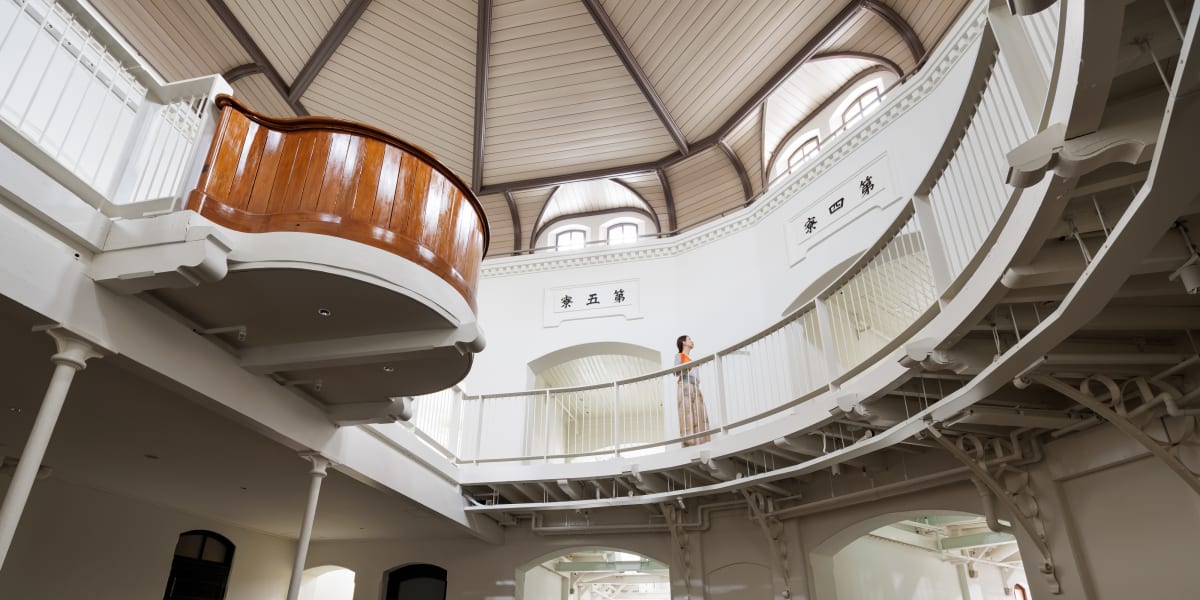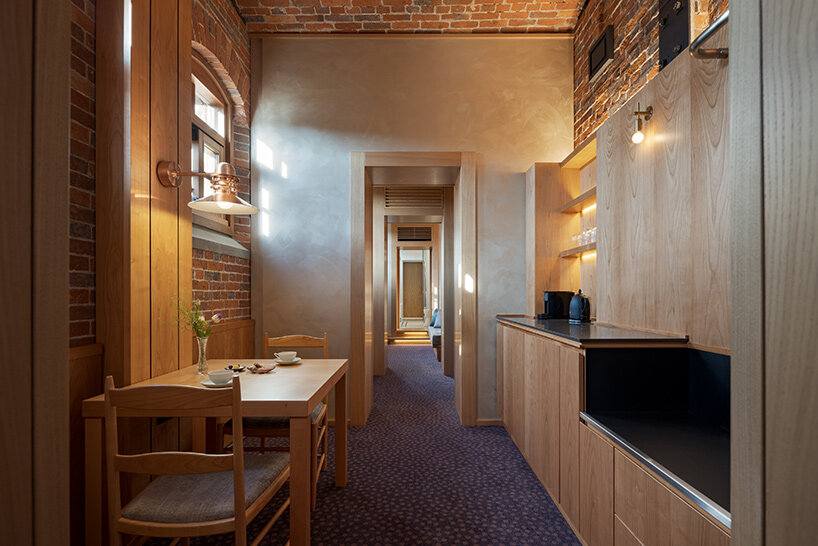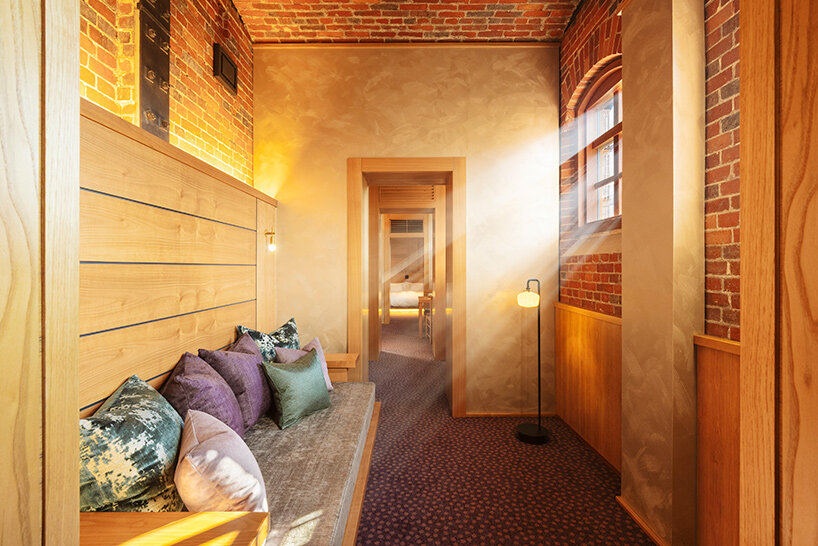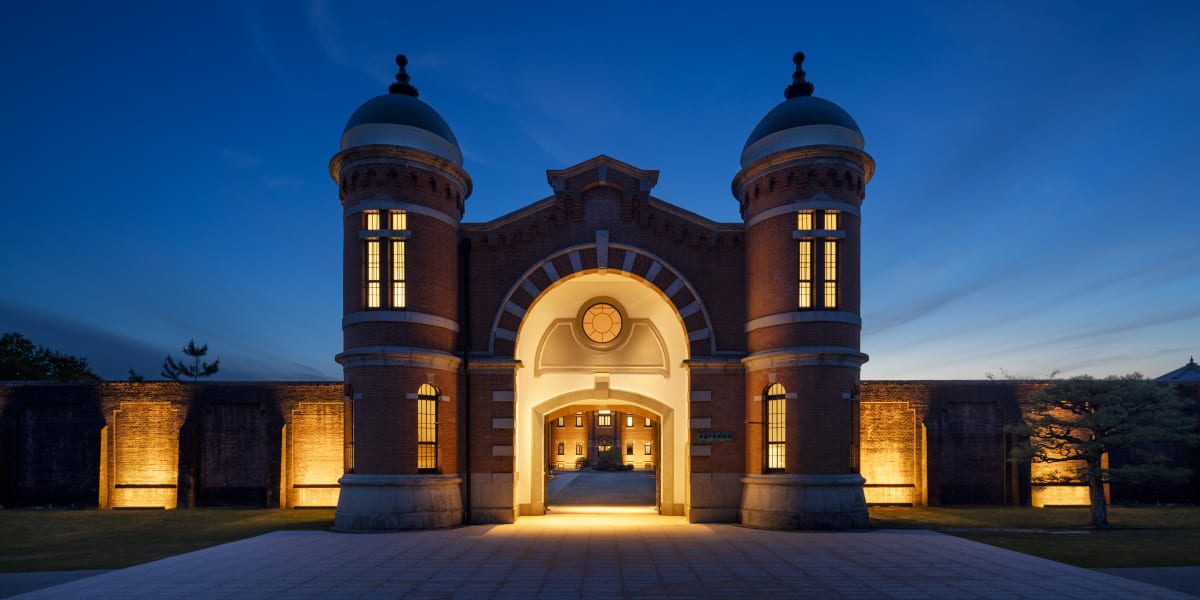
Japan has no shortage of hotels that trade on history, but few carry the weight of an actual prison. Hoshinoya Nara Prison, which opened on 25 June inside the former Nara Prison in Nara Prefecture, takes that distinction and turns it into something unexpectedly refined: a 48-room property where confinement has been reimagined as comfort, without erasing the building's past.
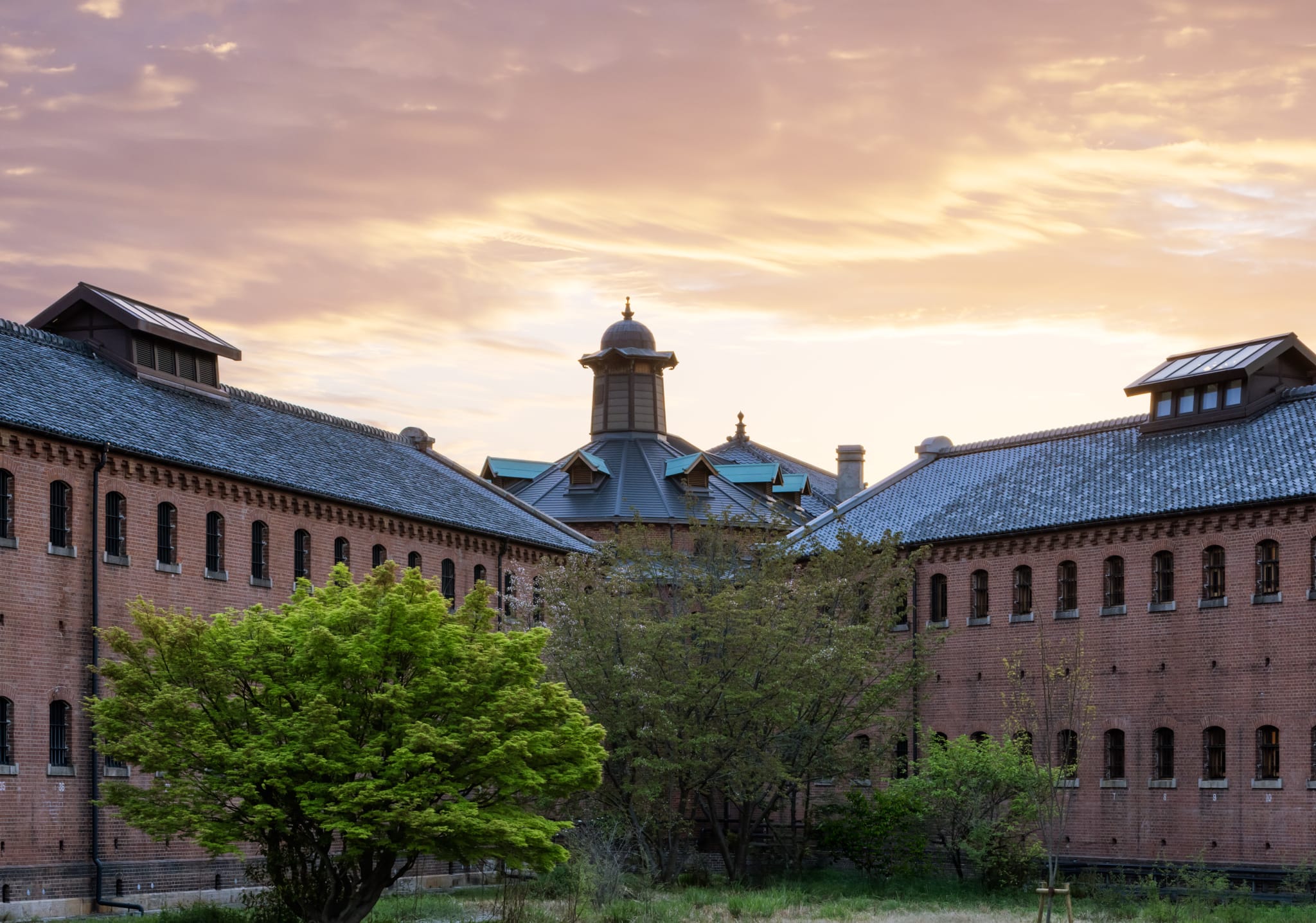
The original structure, completed in 1908, is the last of the Five Great Prisons of the Meiji era to remain almost fully intact. Its Haviland System layout, with cell wings radiating from a central guard station, gives the complex its distinctive geometry, a hand-like plan where every corridor was once visible from a single watchpoint. That surveillance logic now shapes the guest experience, with corridors, courtyards and sightlines preserved rather than flattened.
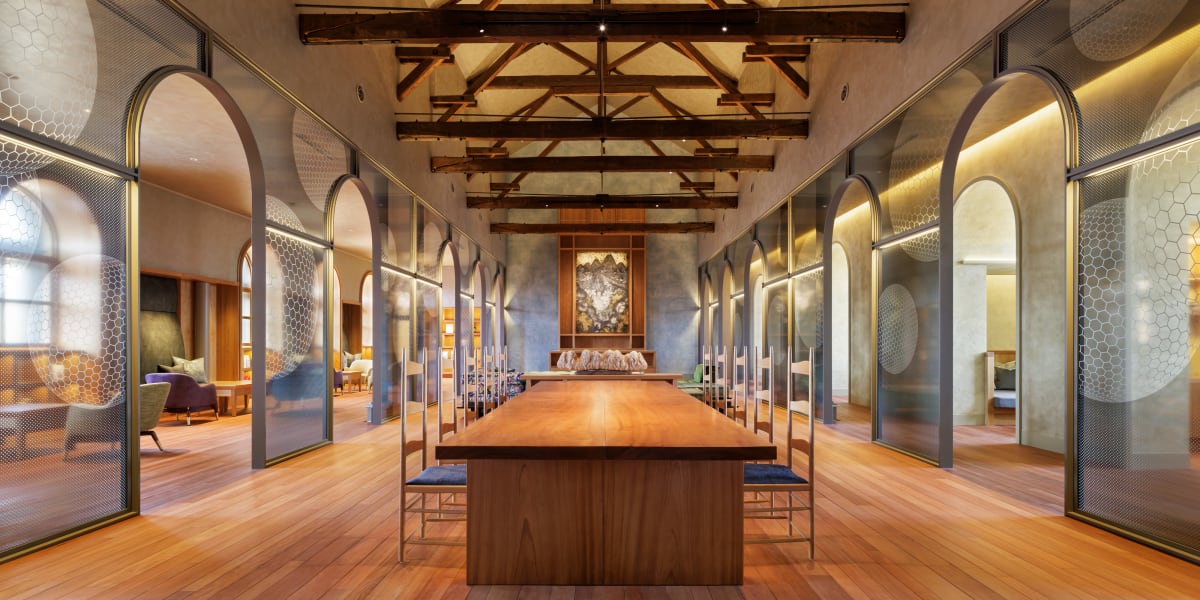
Led by architect Rie Azuma of Azuma Architect and Associates, the renovation took approximately seven years. Former cell blocks have been connected to create suites, including the 11-Cell Deluxe, the property's largest room type. Exposed brick sits beneath original plaster finishes, vaulted ceilings retain their proportions, and new steel reinforcements and wood panelling sit alongside the Meiji-era fabric without trying to disguise it.
The main lounge occupies an open atrium defined by original beams, arched openings and contemporary lighting by Masanori Takeishi of ICE Urban Environmental Lighting Institute. European furnishings reference the Western influences that shaped Meiji-era design. Landscape architect Hiroki Hasegawa's work treats the spaces inside the walls as an "outside within," with geometric white walkways and planted fragments introducing a new reading of the courtyards.
Beyond the hotel rooms, the Nara Prison Museum by Hoshino Resorts sits adjacent, connected by an exclusive guest pathway. Titled "An Eternal Question Posed by an Iconic Prison," it interprets the architectural and social history of the building through design and art. Conservation and seismic reinforcement were overseen by Yasui Architects and Engineers.
Hoshinoya Nara Prison joins a growing conversation in Japan about adaptive reuse, where preservation increasingly depends on finding programmes that can keep large historic structures viable. Here, the hotel format does more than sustain the building. It puts visitors inside a difficult typology and lets the brick walls, radial plan and restored details carry a story that no new-build could replicate.