
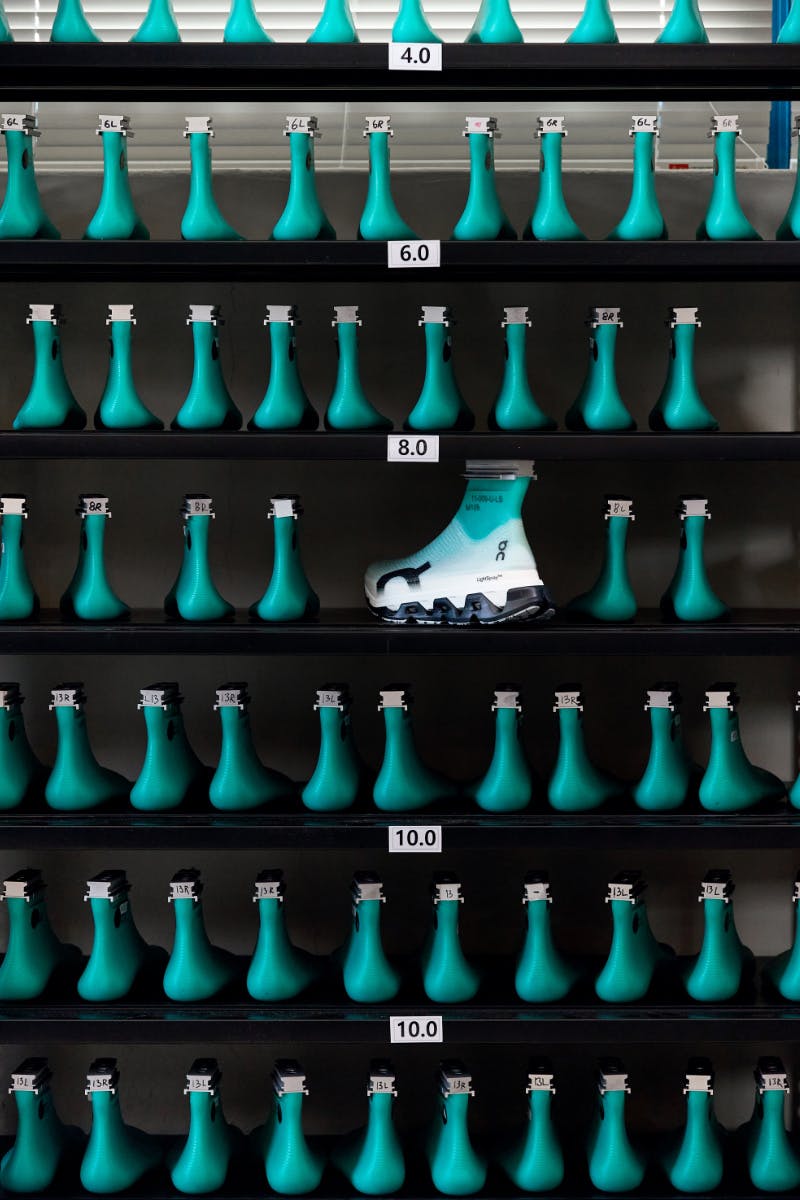
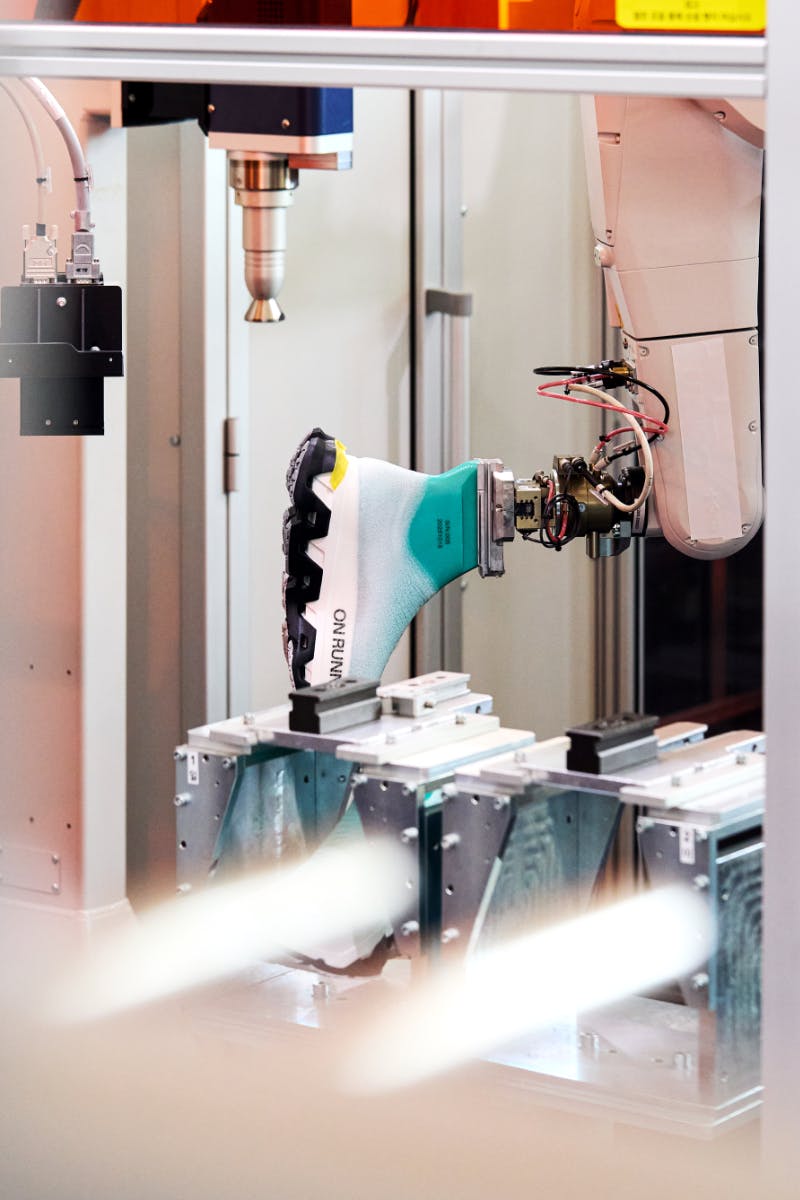
At On's new factory outside Busan, South Korea, there are no stacks of fabric, no sewing machines, and hardly any people. Instead, 32 industrial robots move in near-perfect synchrony, spraying filament onto shoe lasts with choreographed precision, creating a finished sneaker in just three minutes.
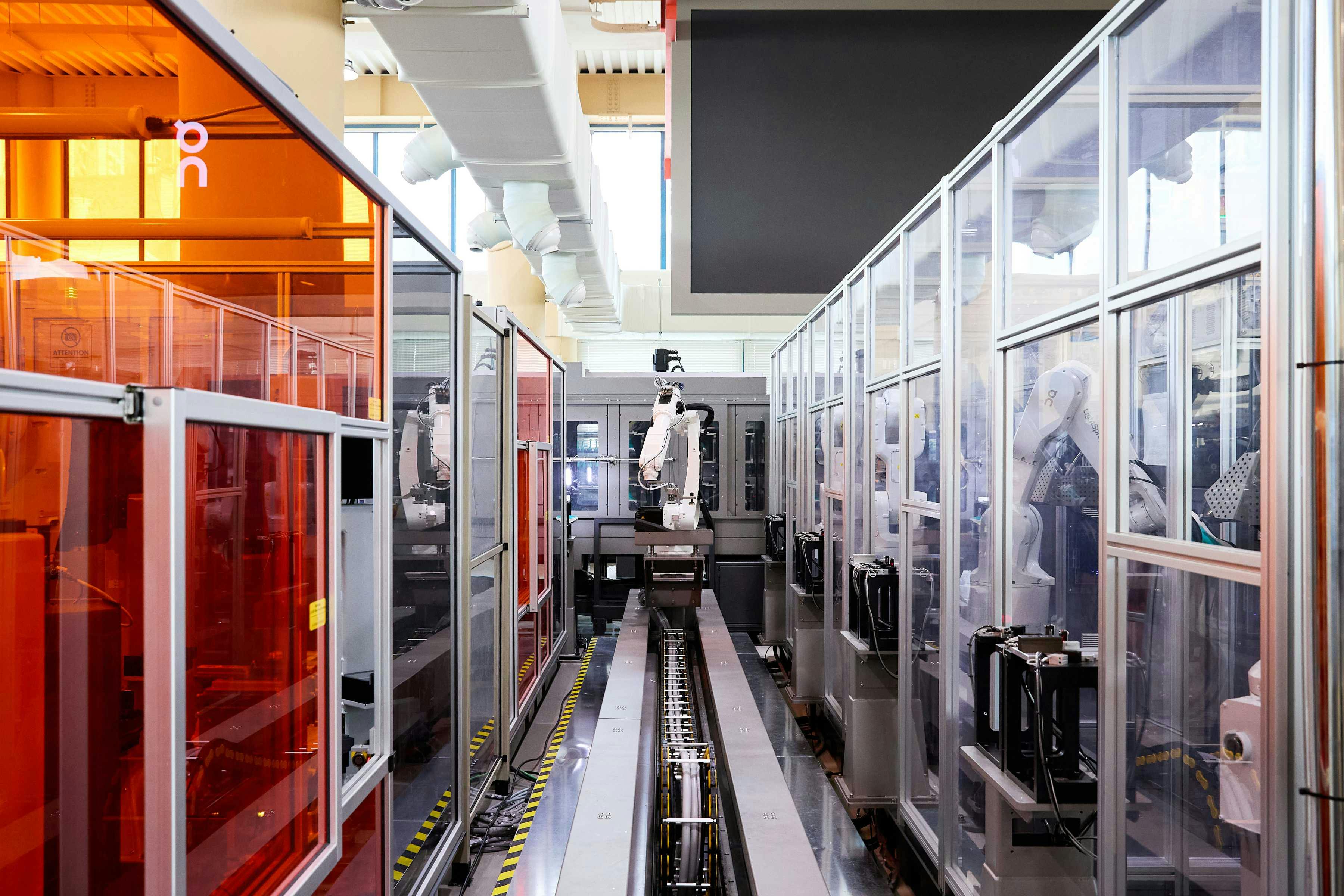
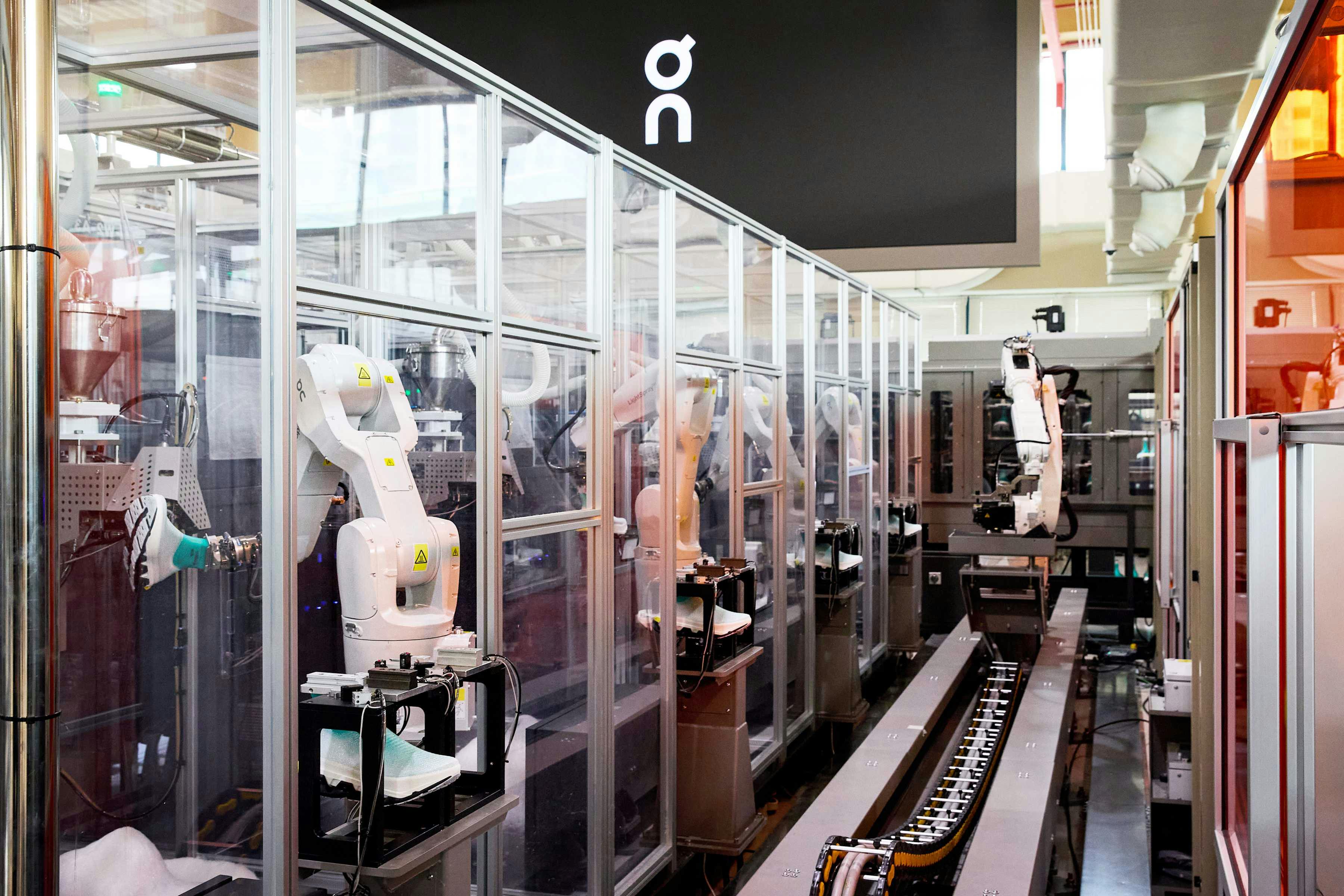
The LightSpray facility represents On's most ambitious bet yet. Following a four-robot pilot in Zurich in 2025, the Busan plant is designed to increase capacity thirtyfold in 2026, pushing out hundreds of thousands of pairs annually. A conventional factory would need around 200 workers to match this output.
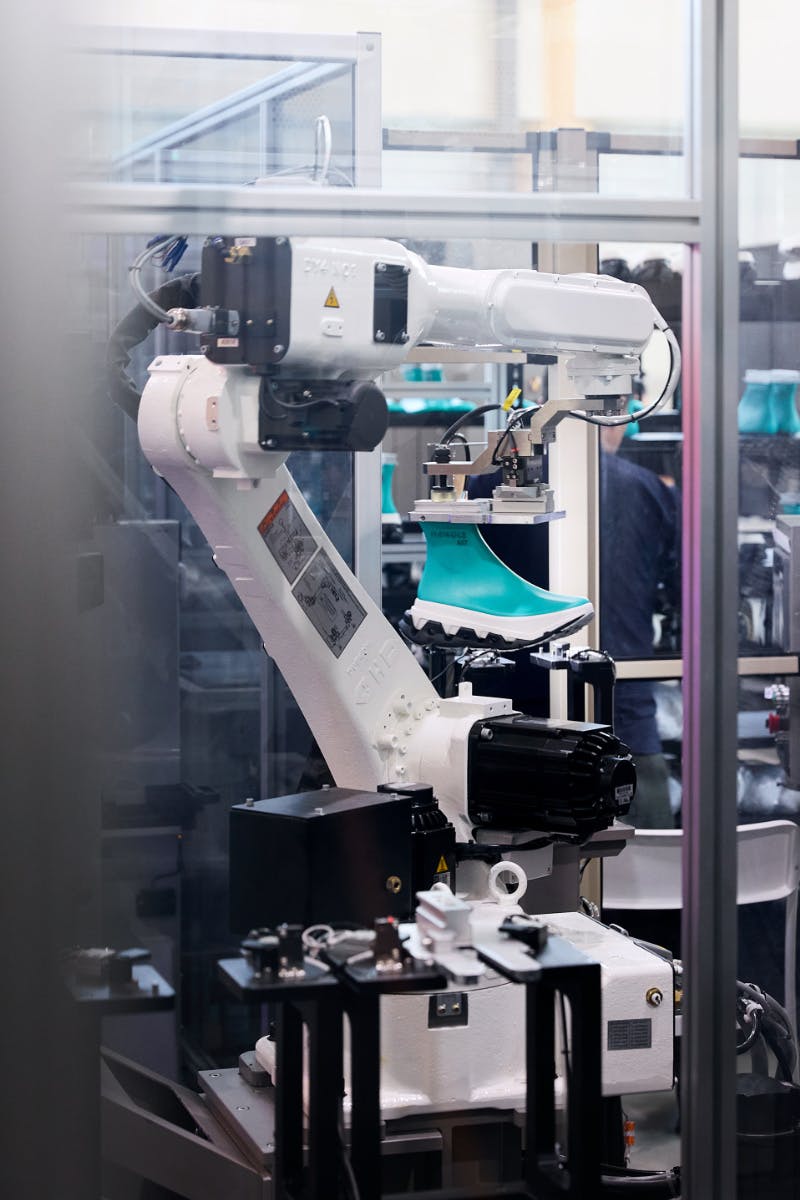
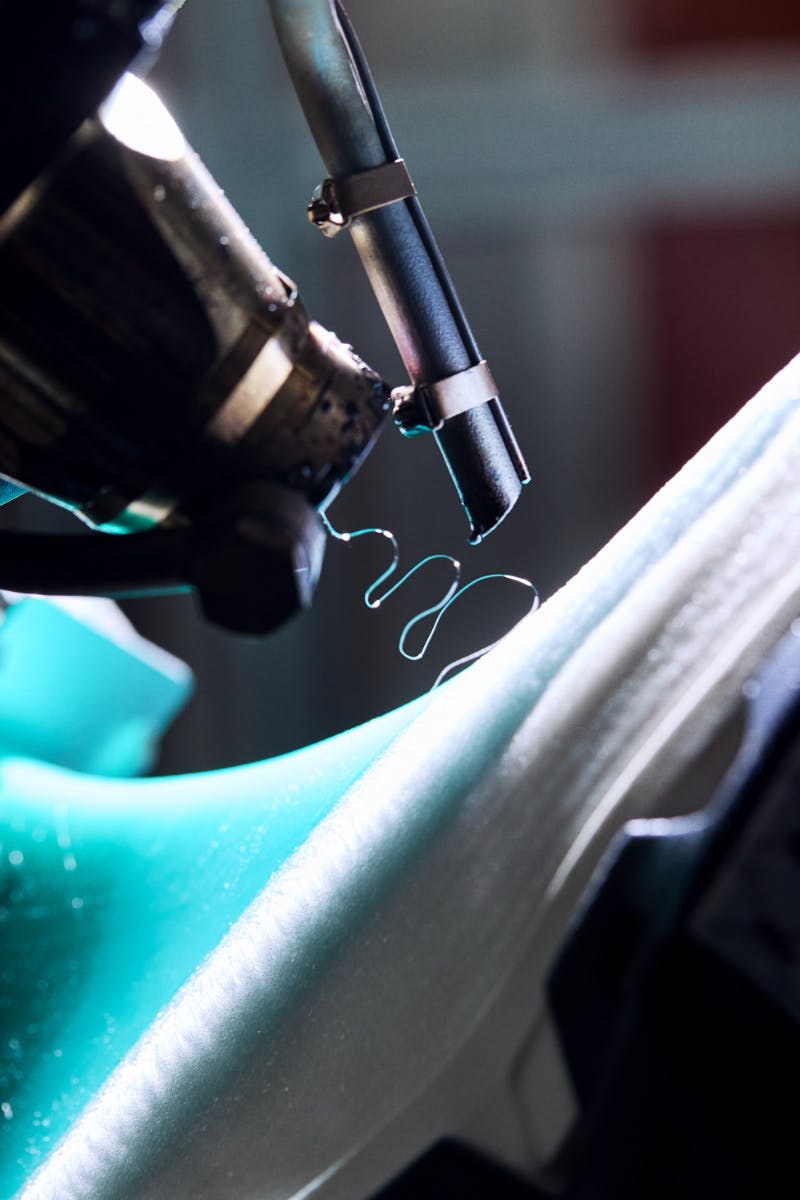
The technology is entirely proprietary. Robots, spray paths and software were all developed in-house by On's engineers. Each upper is built from a TPEU filament, sprayed in a lasso-like motion to create a seamless structure. A finished pair weighs about 420 grams, uses no glue, produces almost no waste, and generates 70% fewer carbon emissions than traditional construction.
"This is what we imagined for a long time," says On co-founder Caspar Coppetti. "A place where we are completely in control of quality, speed, and precision."
In a sneaker industry still largely dependent on manual labour and complex global supply chains, On is building the future of footwear manufacturing. Whether the rest of the industry follows will depend on whether robots can match the craft that human hands have refined over decades.