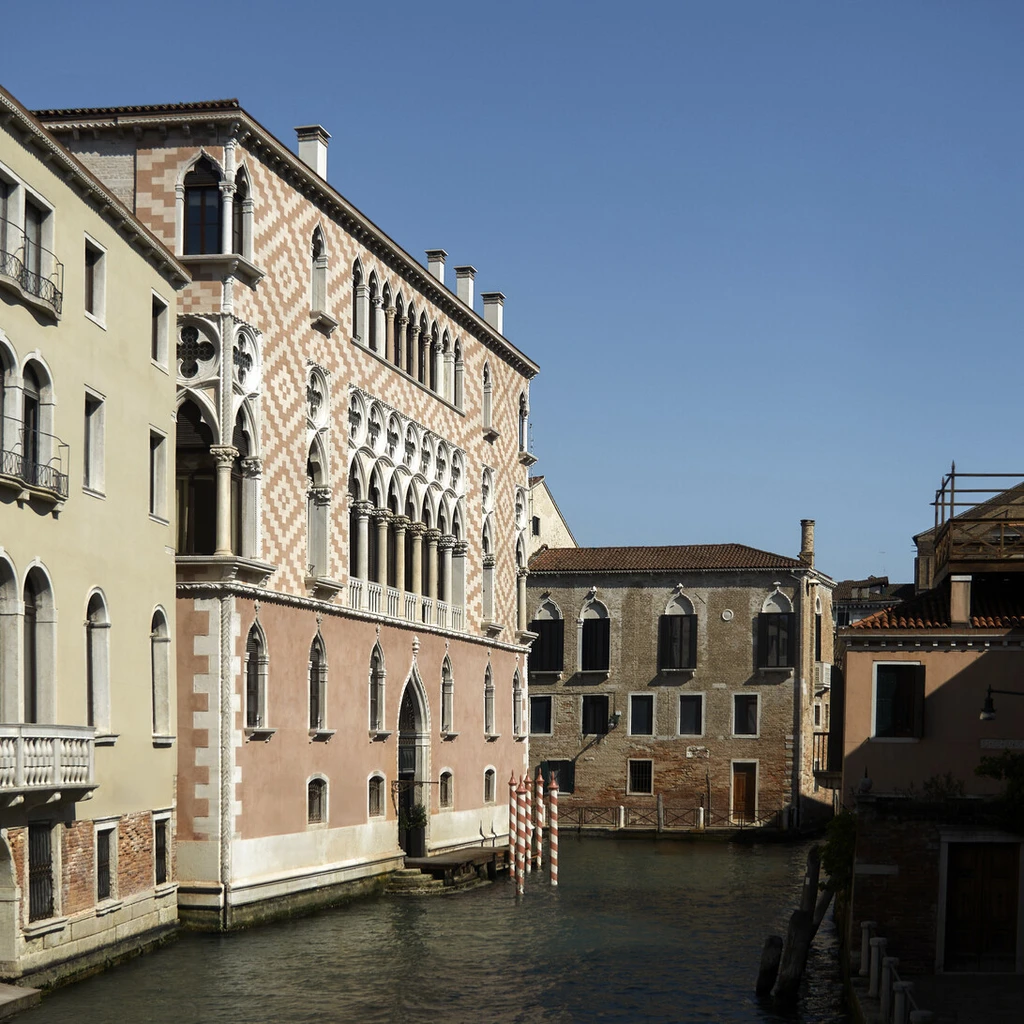
Venice has always rewarded those who arrive by water. Now, it rewards those who stay in one. After eight years of painstaking restoration, Palazzo Dona Giovannelli, a 15th-century noble residence in the Cannaregio district, has opened its doors as Orient Express Venezia, the second hotel from the legendary travel brand after the acclaimed Orient Express La Minerva in Rome.
The building itself is the story. Constructed in 1436 and attributed to Filippo Calendario, the celebrated architect of the Doge's Palace, the palazzo has accumulated centuries of aristocratic history. Mozart once stayed here. Canaletto painted it. In the 19th century, Giovanni Battista Meduna added a neo-Gothic layer that included the still-standing octagonal staircase, one of the most photographed architectural features in the building. Until now, it has remained behind closed doors, a private mystery glimpsed only from the canals outside.
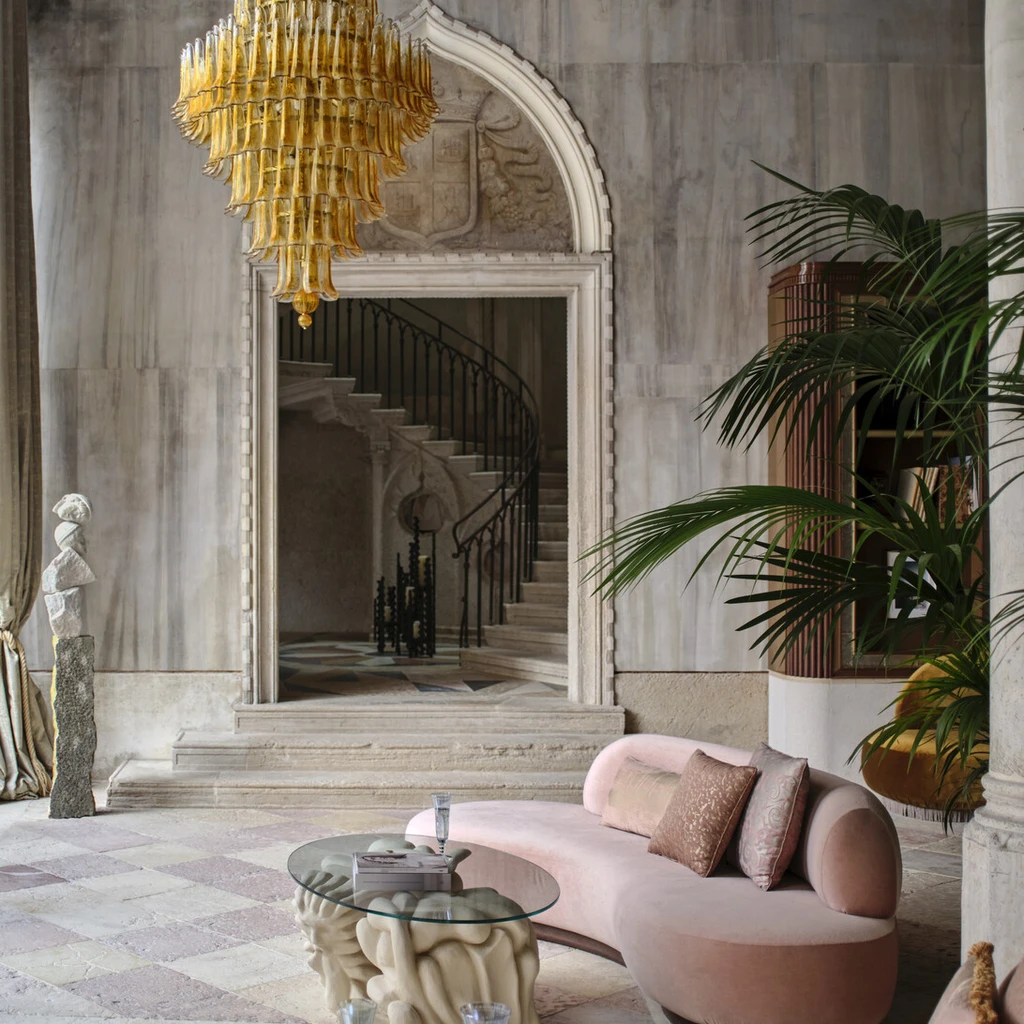
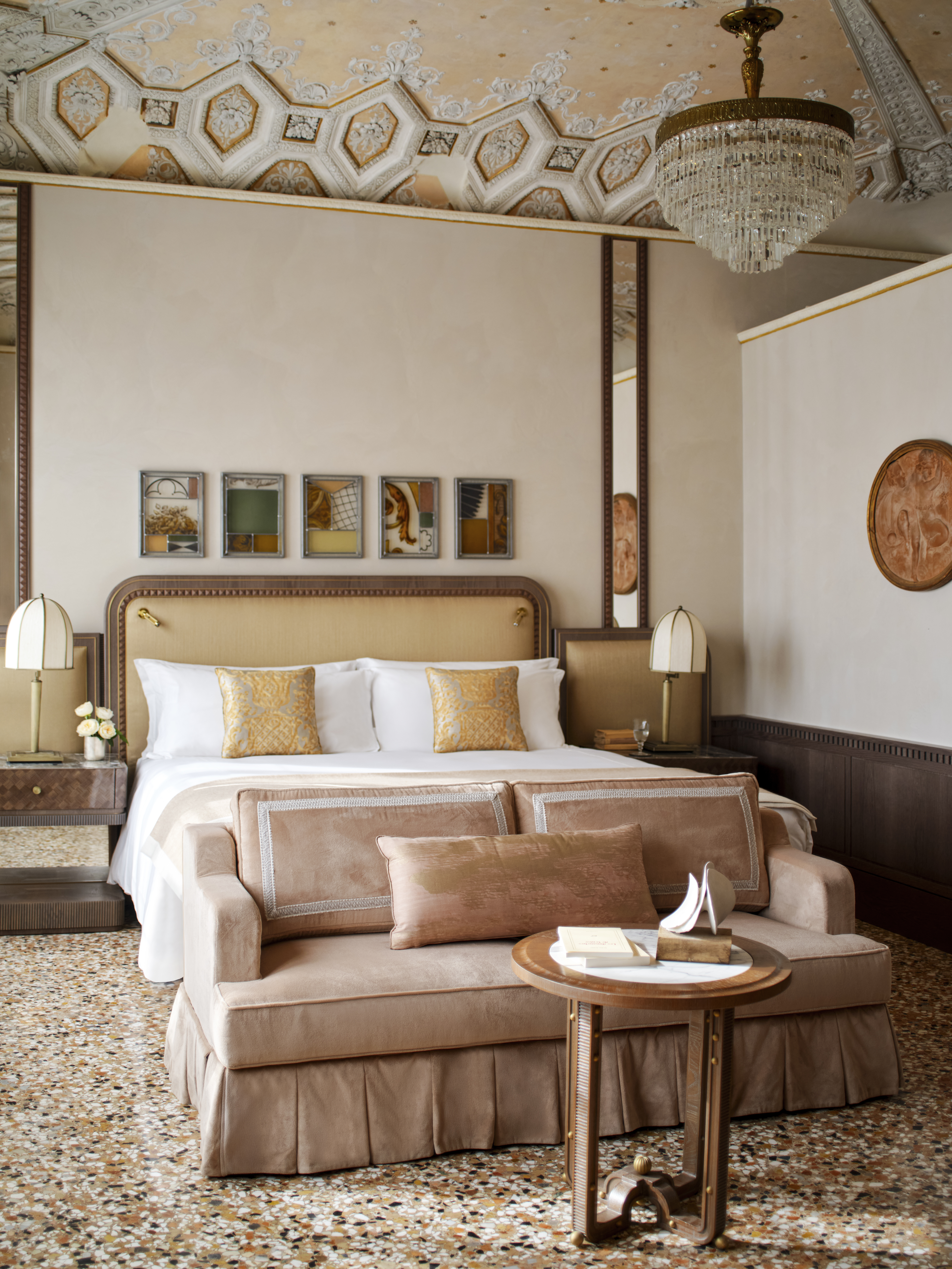
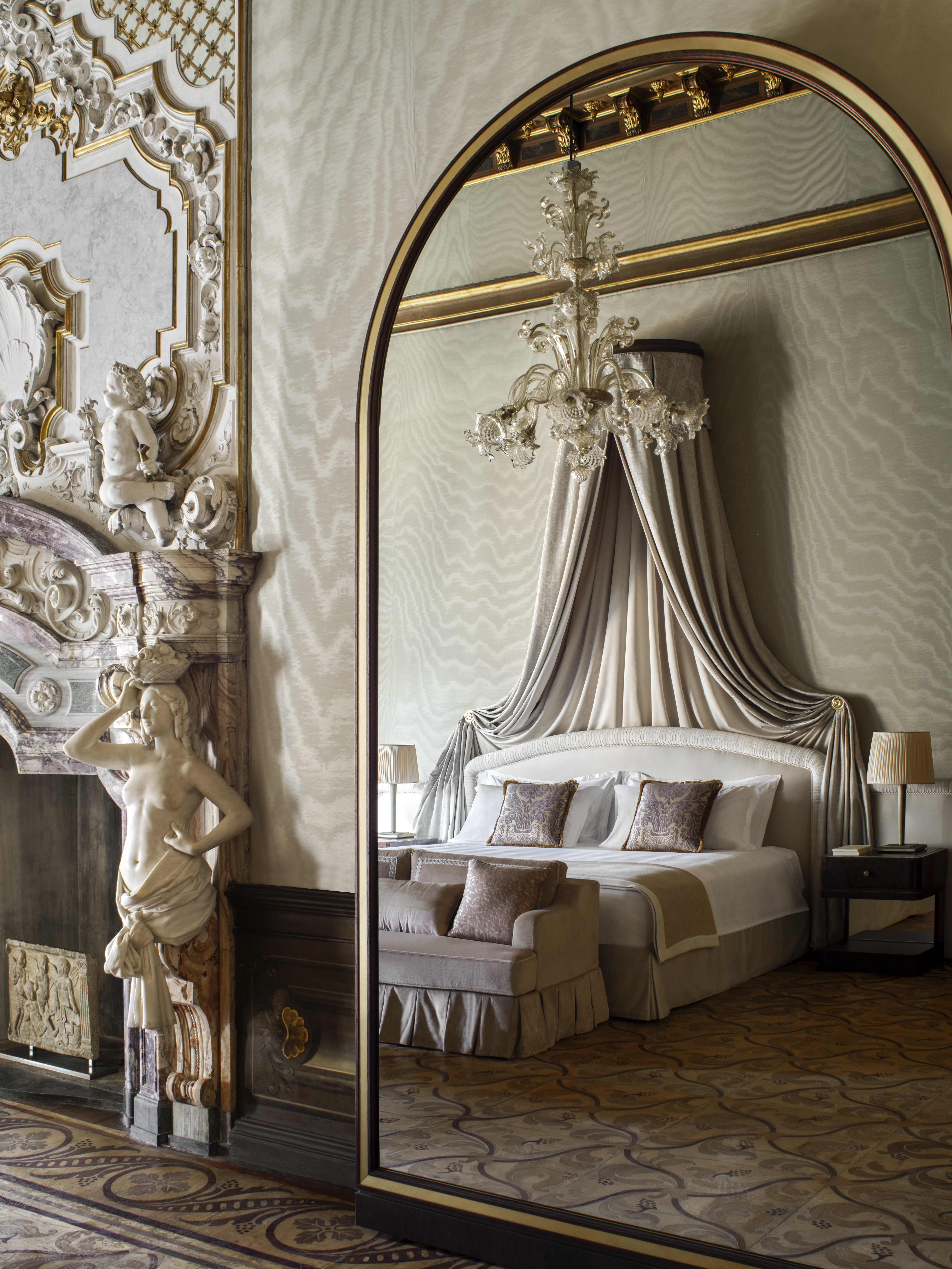
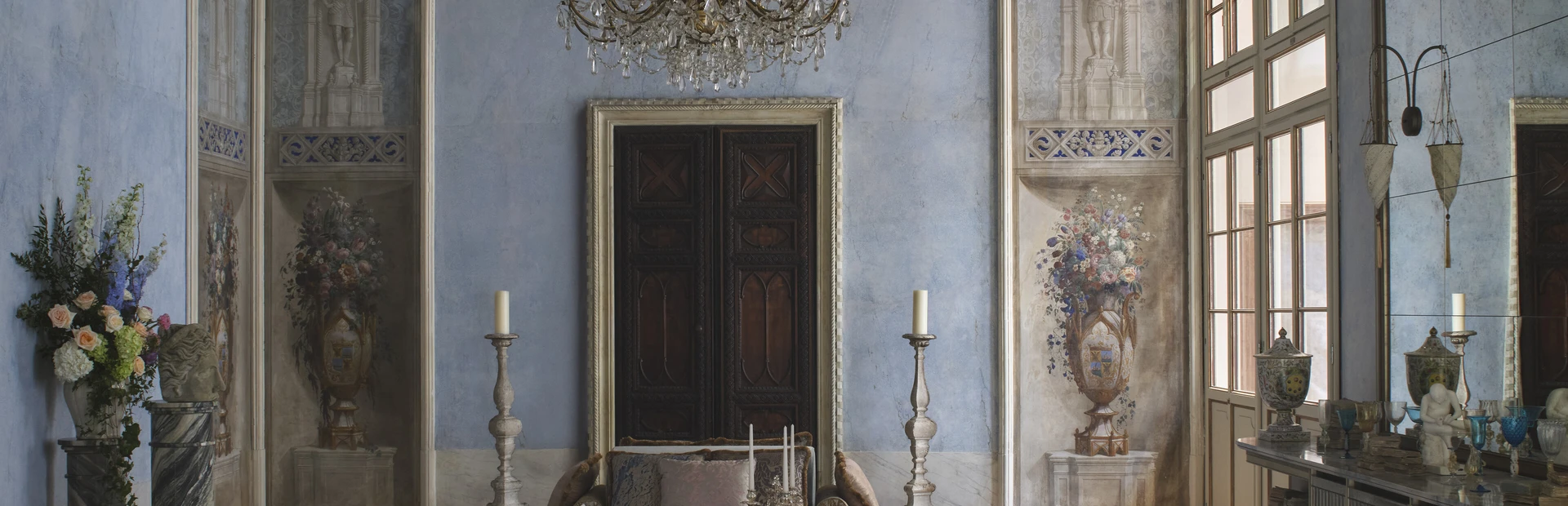
The transformation has been led by architect and interior designer Aline Asmar d'Amman, whose studio Culture in Architecture has taken a deliberately restrained approach. Rather than polishing history into submission, d'Amman has allowed the palazzo's layers to remain visible. Restored murals sit alongside 19th-century stone statues. Vaulted ceilings, gilded in gold and brilliant blues, frame contemporary furnishings in dusky shades that echo the facades visible through the windows. Murano glass chandeliers light the grand lobby, a former open-air cortile now enclosed as a living room of sculpted boiserie and high ceilings.
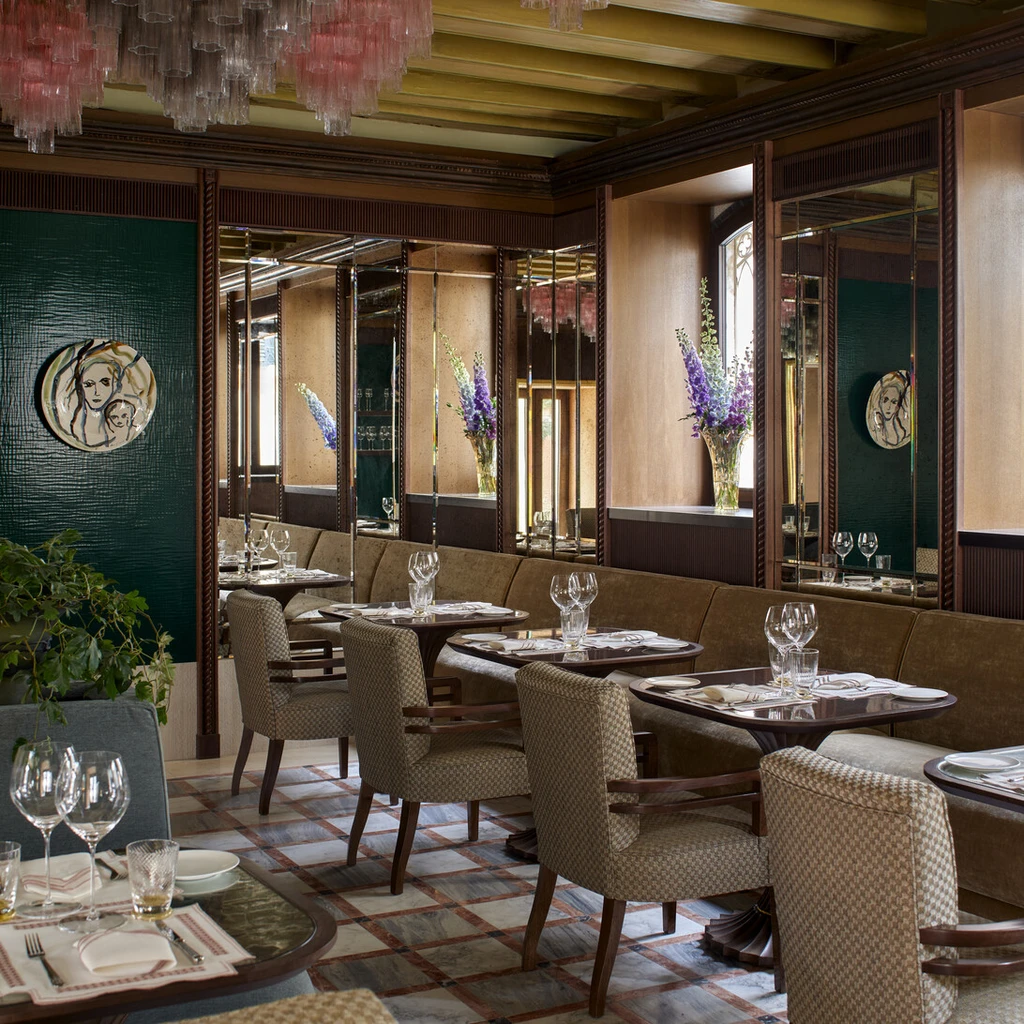
The 47 rooms and suites, including two Orient Express Apartments, feature canal views, marble fireplaces and patinated walls that feel organic rather than designed. There is a secret garden, a rare quiet space in a city that tends towards the operatic, where antique gates and a bubbling fountain create a sanctuary from the tourist traffic outside. Dining is helmed by Michelin-starred chef Heinz Beck across three venues: the intimate Heinz Beck Venezia in the orangery, the all-day La Casati with its own private garden, and The Wagon Bar, which pays homage to the Orient Express railway with Art Deco details and enamelled chess boards on octagonal tables.
What makes Orient Express Venezia significant is not just the building, but what it represents. Venice has long needed more serious luxury inventory, and this project, together with the upcoming Airelles Palladio Venezia on Giudecca and the forthcoming Danieli as a Four Seasons, is reshaping the city's hospitality landscape. Paolo Barletta, CEO of Arsenale Group, which owns the building, has described the palazzo as a unique dialogue between history and innovation, where centuries of Venetian culture are reinterpreted through a modern lens. That is precisely what it feels like: a place where the past is present, but never stuffy. Mozart would approve.