Luxury Drink Brands Are Losing the Room
Signal

Luxury Drink Brands Are Losing the Room

R.MayOctober 20264 min

How do luxury drink brands pivot in a world where wellness and hospitality are rapidly growing?

That is the question I keep coming back to. Because right now, a lot of premium and luxury drink brands seem to think their brand is enough. Heritage is enough. The bottle speaks for itself. But it used to be that the lifestyle went hand in hand. To drink a particular drink, to have a particular bottle on your table or in your hand, that was a status thing. It was a lifestyle marker. And lifestyle preferences have pivoted.

Run club group in a park

People are going to padel, pilates, run clubs, wellness retreats. They are having one glass of wine with dinner because they have got a weekend jam packed with health and fitness activities. And the health and wellness brands have simply attached and immersed themselves into that lifestyle. They have leaned on the playbook that premium and luxury alcoholic brands forgot about. It is cool to be seen here. It is cool to be wearing this. It is cool to be drinking this. Only now "this" is a protein shake, a functional beverage, a no-alcohol spritz that looks the part.

Awareness alone no longer guarantees relevance.

And the numbers back it up. US spirits fell 5.1% in Q1 2026, with the steepest drops coming in premium bottles. The stuff that is supposed to be immune to downturns. Diageo US tequila sales fell 21% in fiscal 2026. Their nine leading brands dropped 8.6% in volume. Bacardi lost 951,000 users. That is a 13% decline. When Brand Finance measured the top alcohol brands globally this year, they found a 7% decline in brand value across the board. These are not blips. This is a shift.

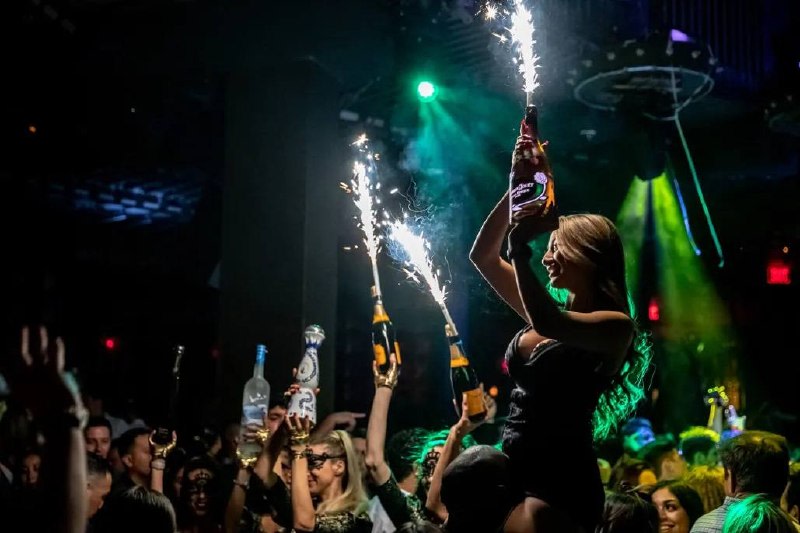
Nightclub scene with bottles and sparklers

You can see it in the drinking data too. Gallup has been tracking mean drinks per week and the trajectory is hard to ignore: 4.0 in 2023, 3.8 in 2024, and 2.8 in 2026. The IWSR No/Low Study found that 75% of Gen Z consumers moderated their alcohol intake in the past six months. Nearly half the adult population in 2026 sits somewhere in the sober curious camp. But here is the thing that gets missed: 92% of non-alcoholic buyers still drink alcohol. People are not quitting. They are just drinking less, less often, and in different contexts.

That context is everything. Because where people used to socialise in clubs and bars, they are now socialising at run clubs and movement-based events. Sober social clubs are popping up in every major city. The pitch is not "do not drink." It is "connection is the main event, not the liquid in your glass." Traditional nightlife is declining. The wellness-entertainment crossover is growing. Events themselves are evolving. The old format of trivia nights and loud brand activations is being replaced by quieter, more intentional gatherings. People want to be around people. They just do not need a shot of tequila to get there anymore.
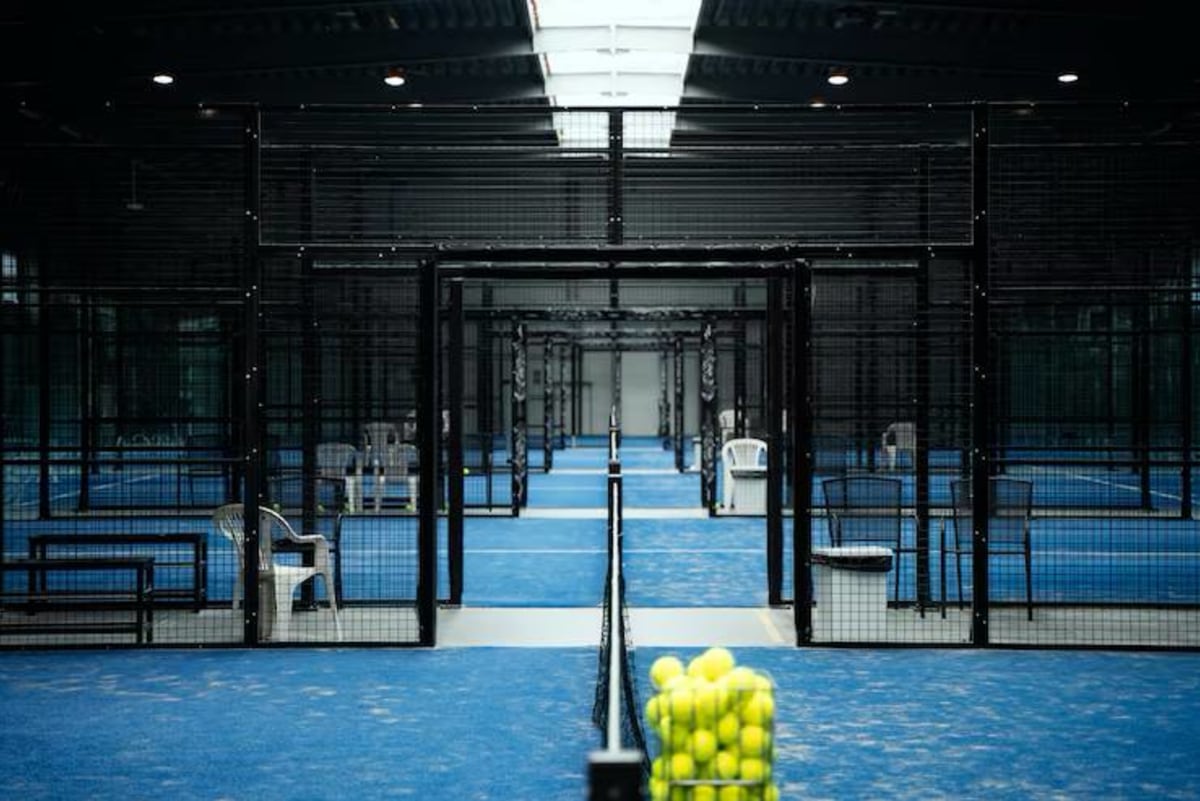
How can you expect volume when you refuse to be part of the community?

And this is where I think the drinks brands have genuinely hurt themselves. They have noticeably felt the decline in volume as behaviour around partying and clubbing has changed. But they have not helped themselves by alienating the community that contributed to those high volumes in the first place. The clubs, the promoters, the event organisers, the culture makers. When was the last time a premium spirits brand showed up at a community run club? When did a luxury tequila sponsor a padel tournament? They spent 725 million dollars on sponsorships last year, but somehow they are missing from the community-level events where people actually are.

Run club group jogging together

I have been to and seen multiple events, activations, exhibitions this year. Eighty percent of the time there is no premium or luxury drinks brand there. No attachment. No visibility. No presence. They are not in the rooms. And the rooms have changed.

Empty event space with neon lighting

Brand Innovators put out a piece this year saying spirits companies are "stressing experiential and cultural connections." Good. But you can not stress experiential connections from the outside. You have to be in the room. You have to be part of the community before you can activate within it. The wellness brands figured this out. They did not sponsor from a distance. They showed up. They became part of the fabric. They made themselves useful.

The volume is there but it lives in multiple small pockets.

People still drink alcohol. Not as often and not in the volumes they used to, because people are more health conscious. But they have not abandoned it. They have just moved where they do it and who they do it with. The volume is still there. But it lives in multiple small pockets now. A glass of wine at a dinner. A cocktail after a run club. A beer at a padel social. The brands that figure out how to show up in those pockets, in a way that feels genuine and not like a logo slap, will be the ones that survive the shift.

The ones that do not will keep pointing at their heritage while the room empties out around them.

Signals
R.May
Opinion, not algorithm.
Insight, not noise.
Luxury Drink Brands Are Losing the Room | The Nuelo Edit