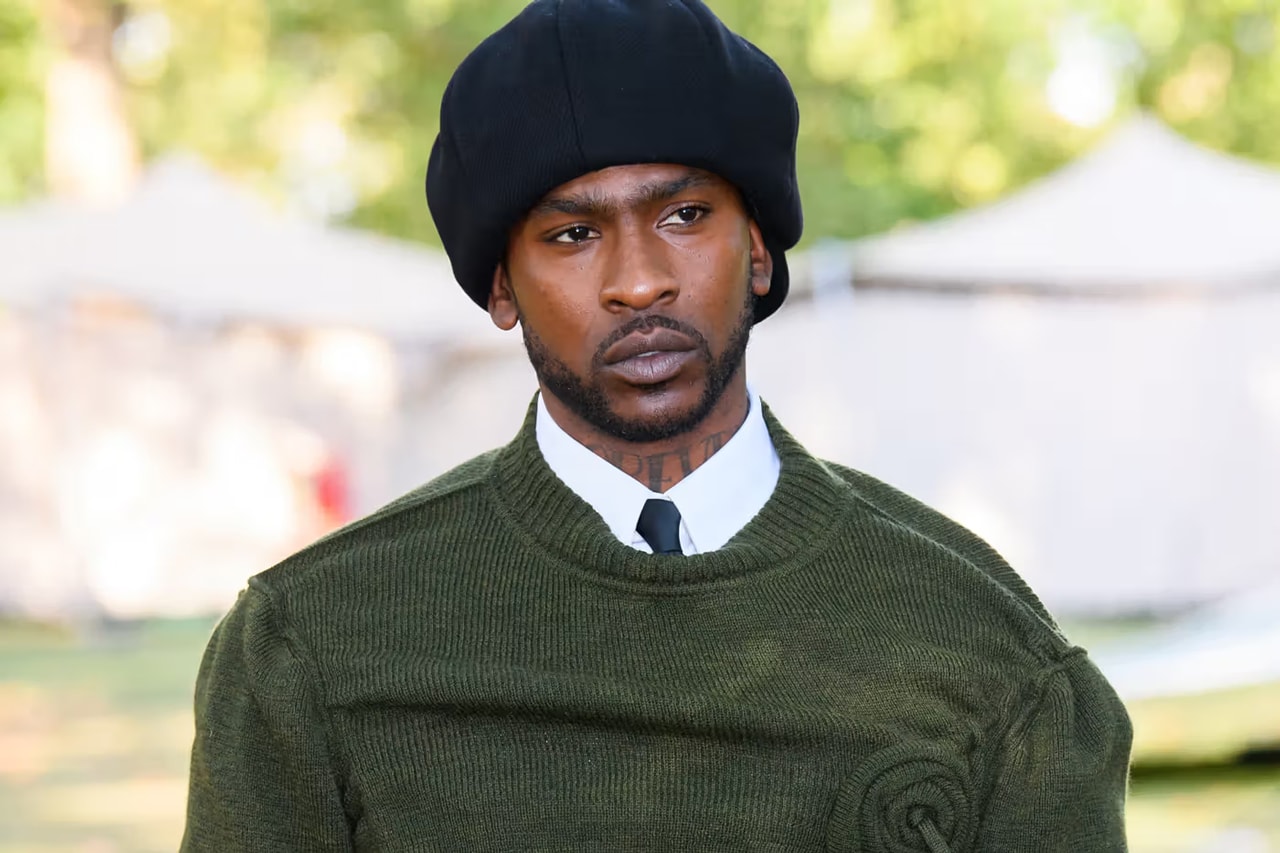
Seven years is a long time in grime. When Skepta last released a solo album, Brexit was still a fresh wound and the genre he helped elevate was still fighting for mainstream respect. Now, as he prepares to drop The Fork and Knife on 6 November via Big Smoke and Epic Records, the Tottenham-born MC returns not just with new music but with a manifesto for conscious rap shaped by two decades of experience, mistakes and growth.
A Seven-Year Reckoning
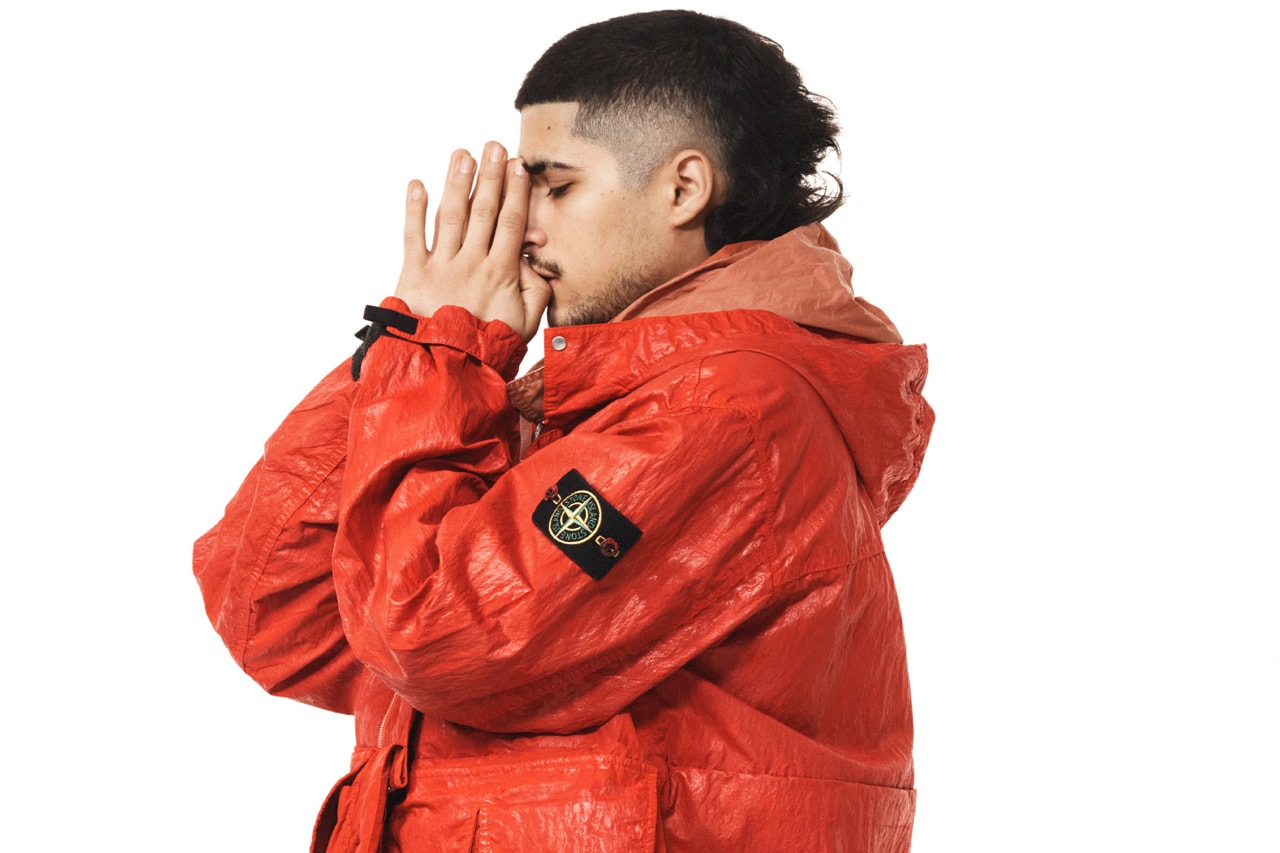
Now 44, Skepta has spent the years since 2019's Ignorance Is Bliss juggling music with his Mains fashion label, the Big Smoke festival, a house music project called Mas Tiempo and even filmmaking. But the album, announced on New Year's Day 2024, took 33 months to complete. The reason, he told The Guardian, is that he was grappling with the weight of his words and the responsibility that comes with a voice that people believe in and follow.
"I can't be perfect," he said, pulling a black Arc'teryx beanie down over a furrowed brow. "But I can be conscious." The self-proclaimed king of grime has always been serious, wary of fools and time-wasters. Now that seriousness has evolved into something more reflective, more mindful of the mums doing the school run who hear his lyrics on the radio.
Multiculturalism At The Core
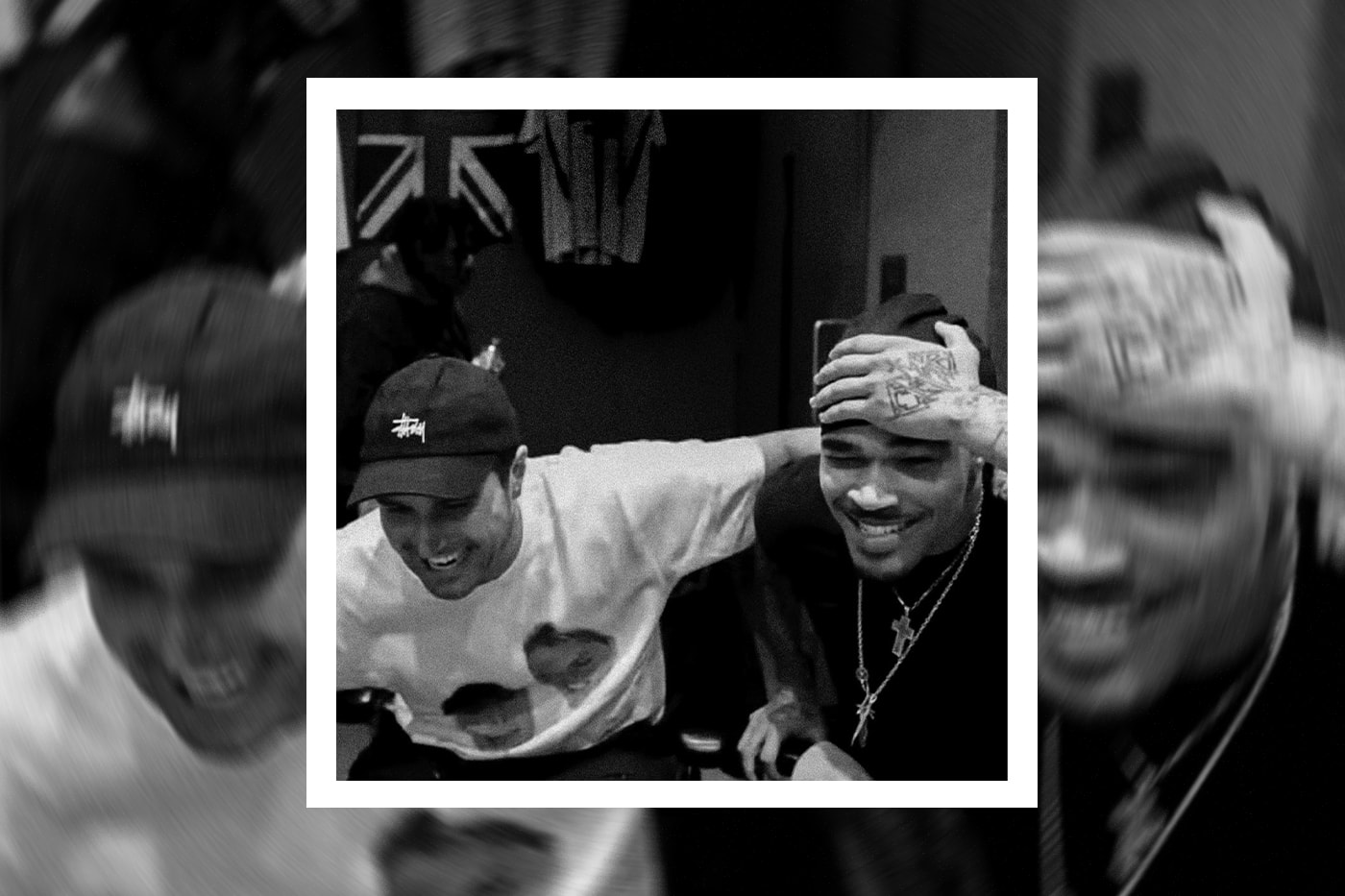
The album's standout single, Innocent Smile, featuring Madness frontman Suggs and breakbeats from Chase and Status, is a grandstanding defence of multicultural Britain. "Don't ask what happened to my innocent smile," he spits. "Ain't no love for an immigrant child." The first verse references Oasis, J Hus and Mobb Deep, criticises MPs' scapegoating of immigrants and celebrates his parents' journey from Nigeria to Meridian Walk, the Tottenham estate where he grew up.
The choice of Suggs is deliberate. Skepta has a two-tone neck tattoo he got 14 years ago, a nod to the ska movement that shaped his childhood. His father, a DJ, would play ska records at east London parties where Black people and skinheads mingled freely. That cultural collision, he argues, is what made grime possible. "This whole ignorance towards immigration at the moment is horrible. It's not British."

Fifteen Tracks, Multiple Worlds
The 15-track album ranges from Chippie, a zouk-flavoured R&B collaboration with French-Malian star Aya Nakamura, to Belly, a fierce eight-minute grime posse cut featuring a younger generation of MCs including north-west Londoner Kibo. Boy Better Know members JME and Frisco balance new lyrics with classic old-school punchlines, a clever nod to their roles as elder statesmen. Other collaborators include Central Cee, Jorja Smith, Asake and Novelist.
Perhaps the most revealing track is Revenge, a memoir of his mid-career missteps. "It was 2008 when I lost my way... I fucked up the greatest run," he admits, referencing a period when his underground credibility was clouded by ill-advised mainstream dalliances. The gaffes are well documented: a pornographic music video, transphobic lyrics, wearing Gucci and Louis Vuitton in a way that was not him. But acknowledging mistakes head-on has become his redemption arc, culminating in the 2016 Mercury Prize for Konnichiwa and now this.
The Return
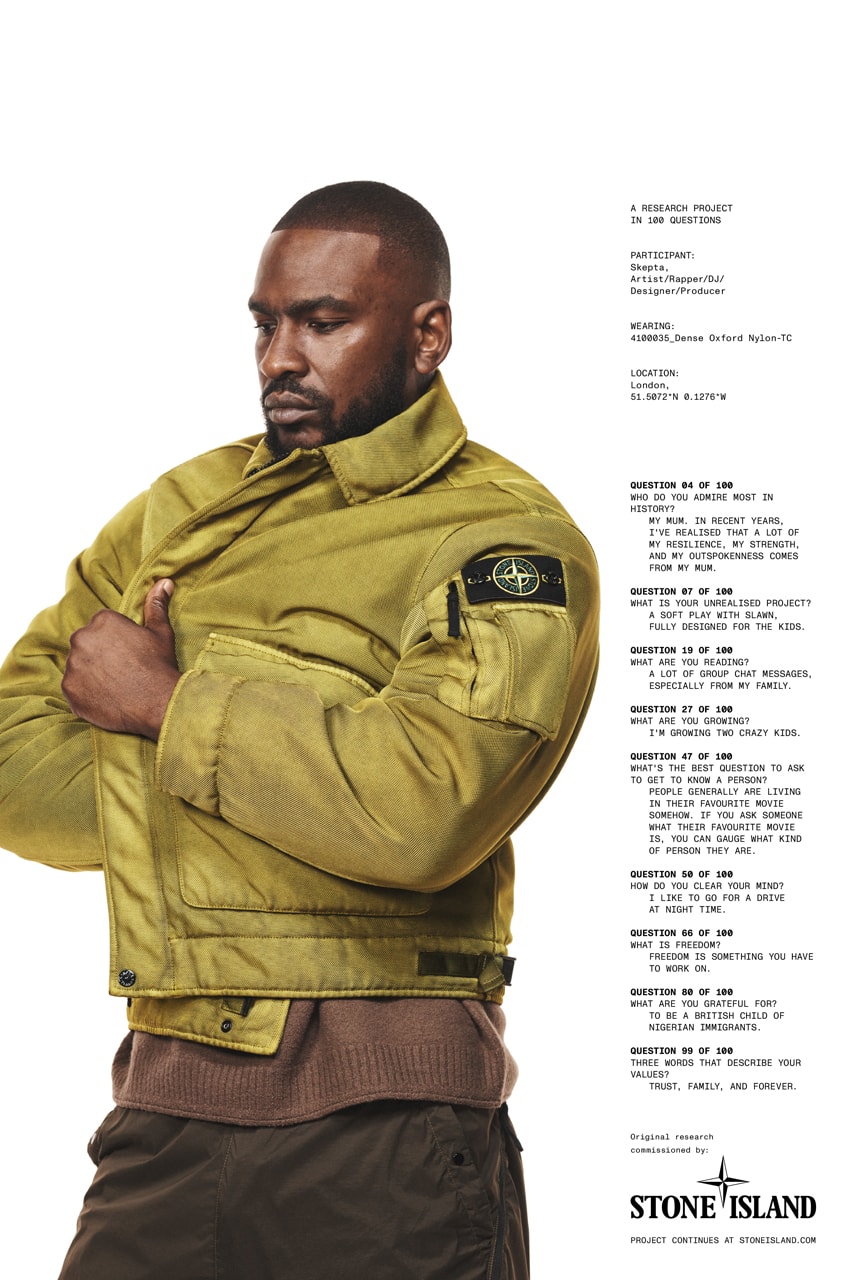
In August, Skepta played to vast, raucous crowds on the main stages of Reading and Leeds. In late October, he performed Innocent Smile with Suggs and Pandora's Box on BBC's Later... with Jools Holland, his first appearance on the show in 11 years. He celebrates release day with an intimate show at London's The Cause on 6 November, before dates in Paris, Brussels and Amsterdam in December.
The rap swagger of his 2007 debut Greatest Hits has been tempered with epiphany and reflection. But the distinctive voice, the clear and direct delivery on the mic, remains. The Fork and Knife is not a conscious manifesto but something more nuanced: a fuller sound enhanced by the wisdom of age, where messages land over vibes rather than lectures. After 20 years in music, Skepta is still Joseph from Tottenham, still growing, still learning. The king of grime has returned, and he has something to say.