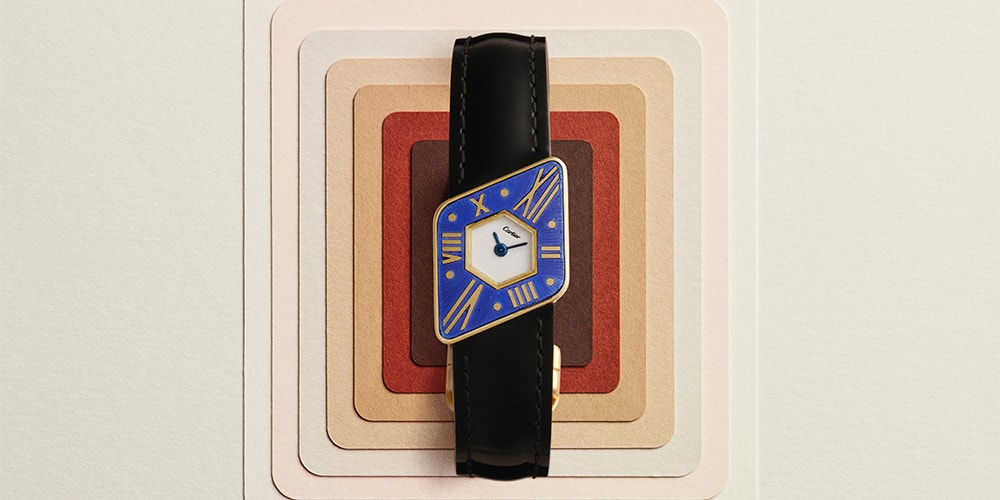
Sotheby's has unveiled what it is calling the most comprehensive grouping of vintage Cartier watches ever to surface at auction. Titled The Shapes of Cartier: The Finest Vintage Grouping Ever Assembled, the sale brings together more than 300 historically significant timepieces quietly gathered over a quarter of a century. The total estimate sits comfortably north of $15 million USD.
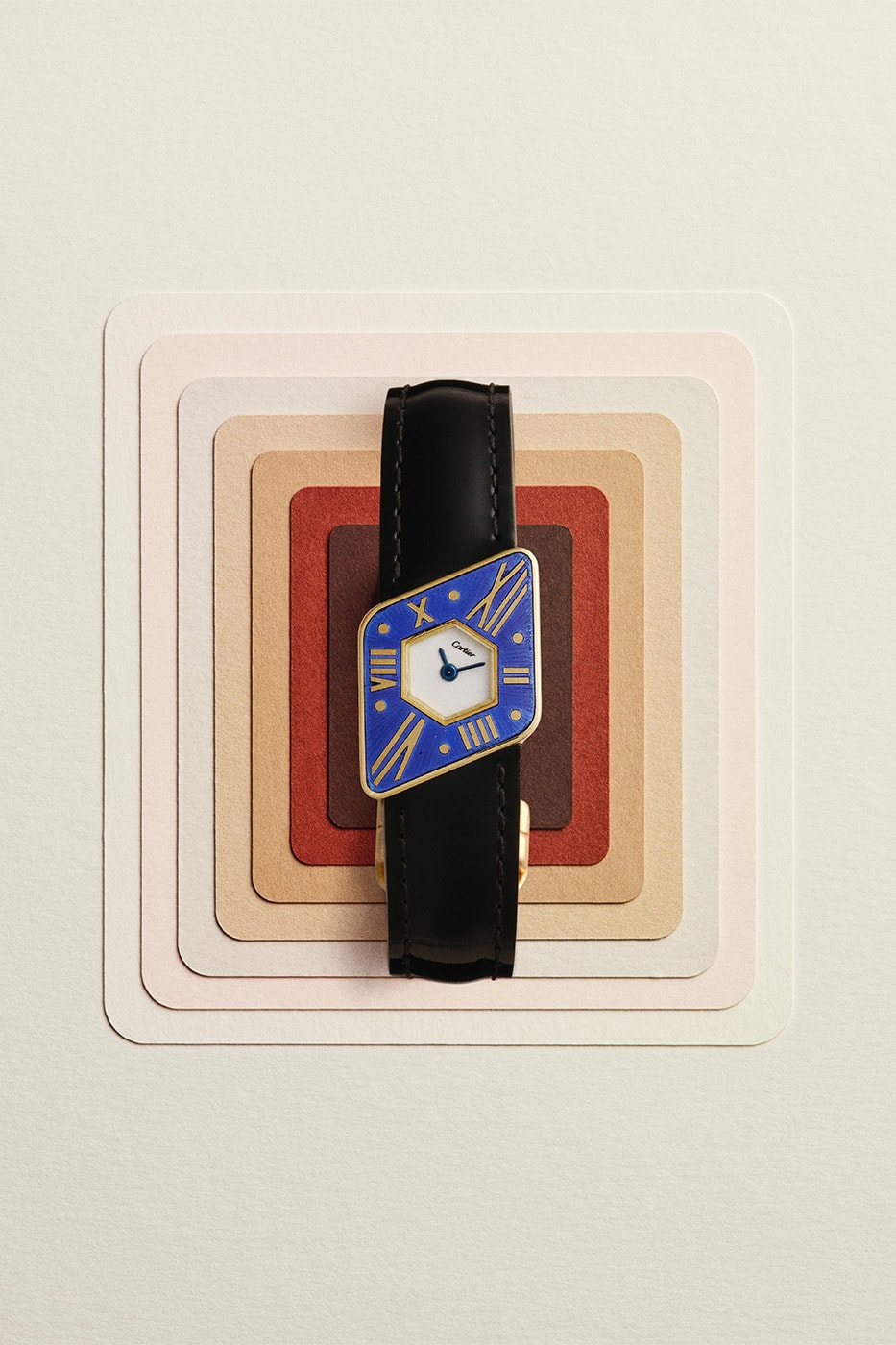
This is not a catalogue of household Cartier. It is a study of the house at its most experimental. The curation skips past volume production to zero in on the maison's Paris, New York and, most crucially, London workshops, where the smallest batches and the strangest silhouettes lived. Expect distorted ovals, sharply cut octagons, the asymmetrical Stirrup, the pebble-smooth Pebble, and Baignoire Allongée proportions that still read as modern nearly six decades on.
The London pieces are the quiet story here. Cartier London operated with a rare degree of creative autonomy during its run, and its output defined a specific flavour of the maison's identity that collectors have spent years trying to piece together privately. Finding this many of them in one assembly is, for the watch world, closer to a museum donation than a sale.
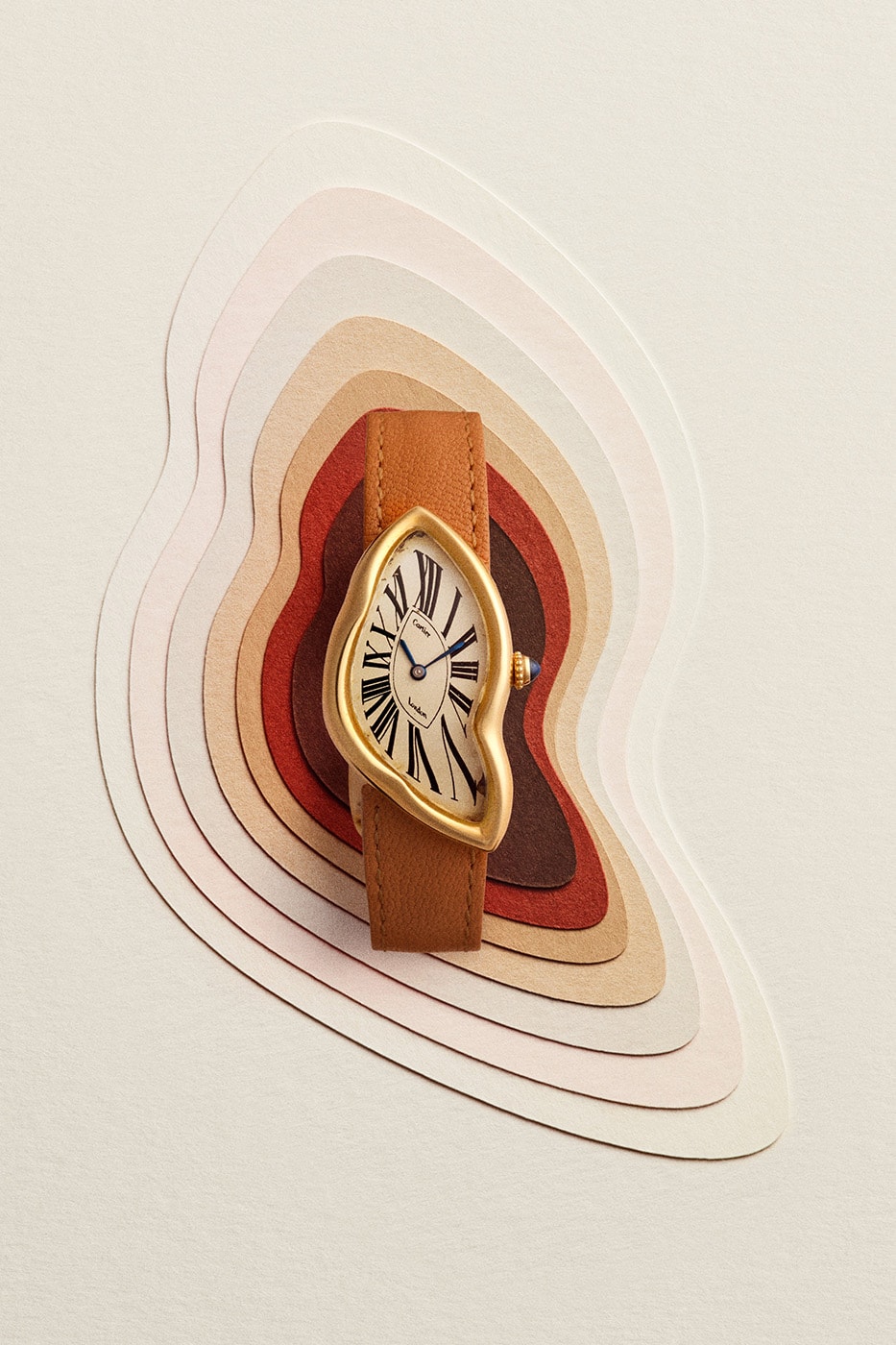
Among the headline lots: a 1987 London Crash in yellow gold with its signature melted-oval case, and a deeply curved 1960s Driver's watch engineered to sit naturally against the wrist while gripping a steering wheel. Both are the kind of pieces that rarely leave private collections intact, and almost never in the same sale.
"The appeal of vintage Cartier lies in its ability to capture a moment in design history while remaining entirely timeless," said Sam Hines, Global Chairman of Sotheby's Watches. "This collection is remarkable not only for its breadth, but for its depth, particularly in its unprecedented assembly of Cartier London pieces."
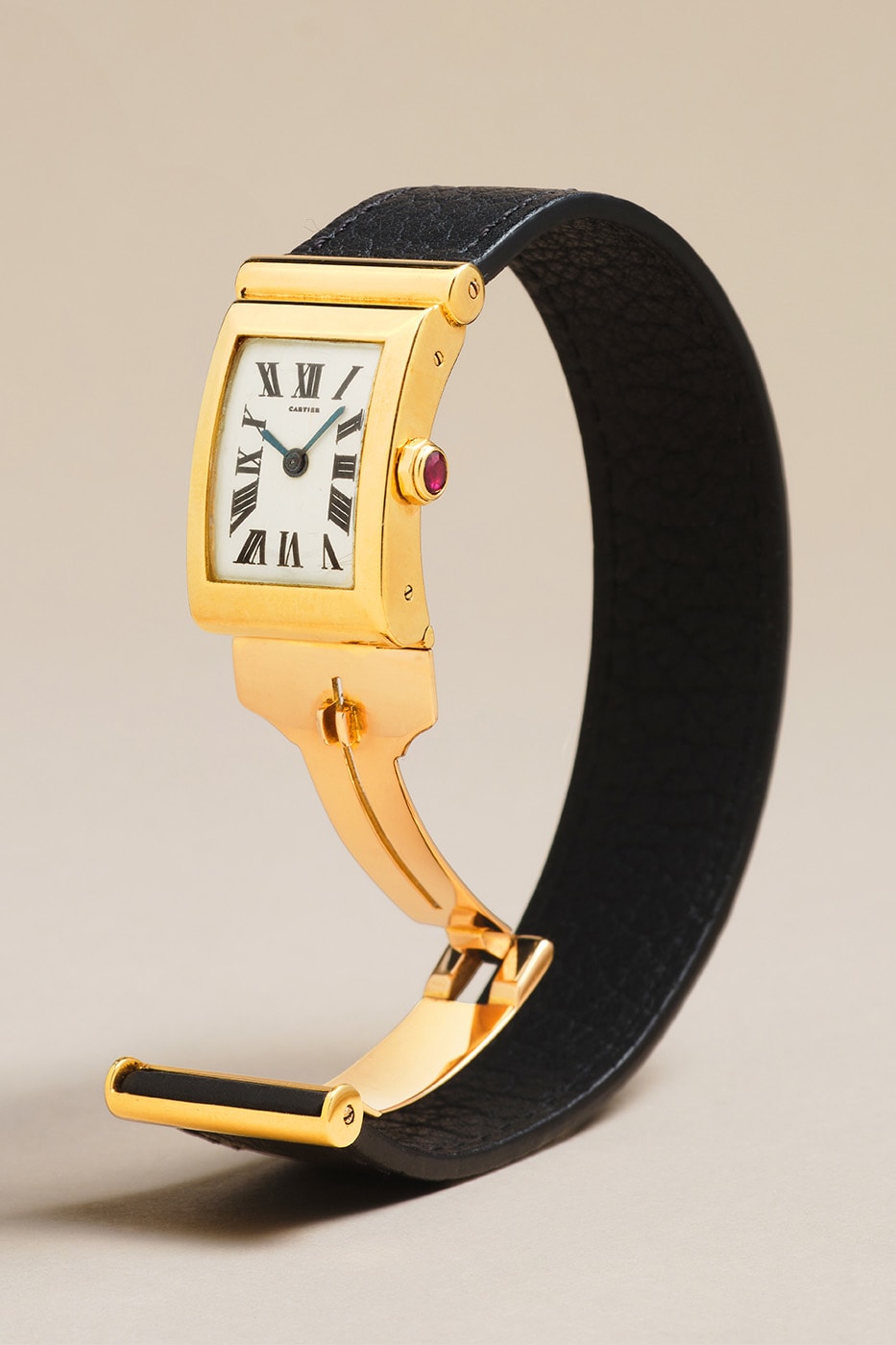
What makes the assembly land is the insistence on shape over spectacle. There are no diamond-bathed showpieces trying to buy attention. The selection reads as an argument, quietly made, that Cartier's greatest contribution to watchmaking is not a single reference but a fluency with form itself. Case geometry as a language, not a gimmick.
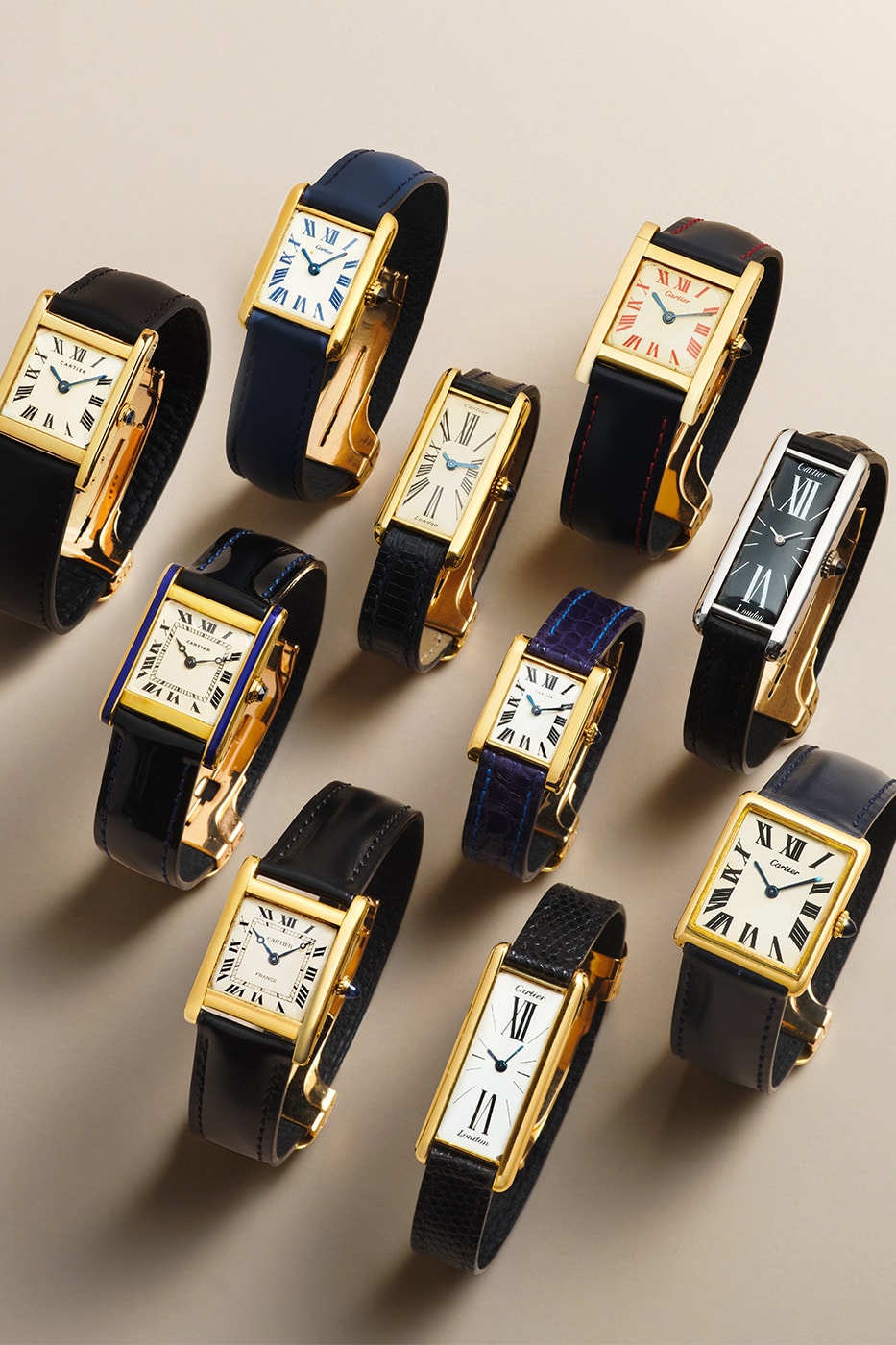
The auction rolls out in stages across three cities. The first hammer falls on April 24 at Sotheby's Hong Kong, followed by Geneva on May 10 and New York on June 15. For anyone who has ever argued that shaped watches are having a moment, this is the sale that will either confirm it or set the ceiling.