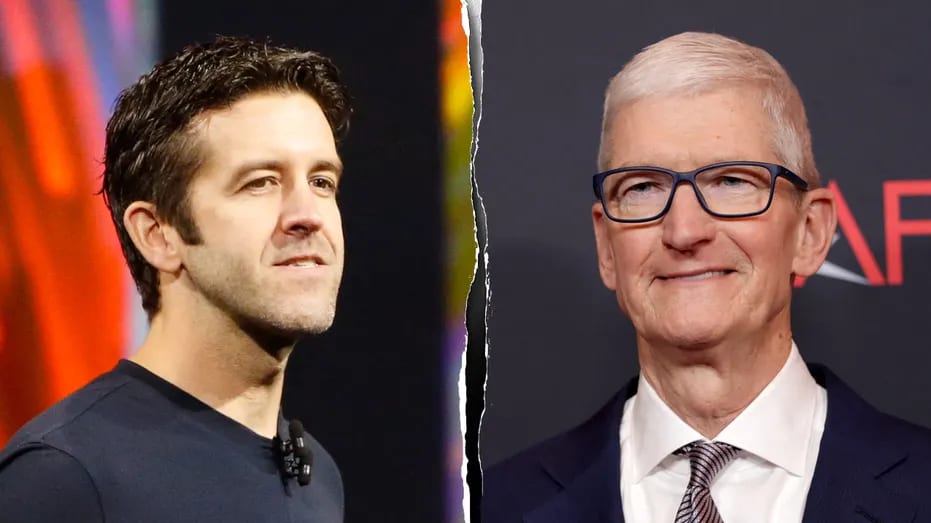
Tim Cook is stepping down. After 15 years at the helm of the world's most valuable company, Apple's CEO will transition to executive chairman on September 1, 2026, handing the reins to John Ternus, the engineer who has quietly shaped almost every piece of hardware Apple ships.
The move, confirmed by Apple's board on Monday, marks the end of one of corporate America's most consequential tenures. Cook inherited a company still reeling from the loss of Steve Jobs in 2011. He leaves it worth $4 trillion, up from $350 billion when he took over. Annual revenue has quadrupled from $108 billion to $416 billion. The iPhone alone now pulls in $209.6 billion a year, nearly five times what it did when Cook started.
Under Cook, Apple didn't just sell phones. It built an empire of adjacency. Apple Watch became the world's most popular smartwatch, AirPods the most popular headphones, and a sprawling services business (Apple Pay, Apple TV, Apple Music, App Store) now generates billions in recurring revenue. He also pulled off the Mac's transition from Intel to Apple silicon, a bet that redefined the laptop market.
But the succession tells you where Apple thinks its future lies. Ternus, 50, joined Apple in 2001 and has overseen hardware engineering across iPhone, iPad, Mac, Apple Watch, and AirPods. Promoting a hardware lifer, not a services executive, not a software leader, is a clear signal. As Santa Clara University business professor Jo-Ellen Pozner put it: "I think this is definitely a signal that we're doubling down on hardware. And frankly, the hardware unit has been incredibly successful."

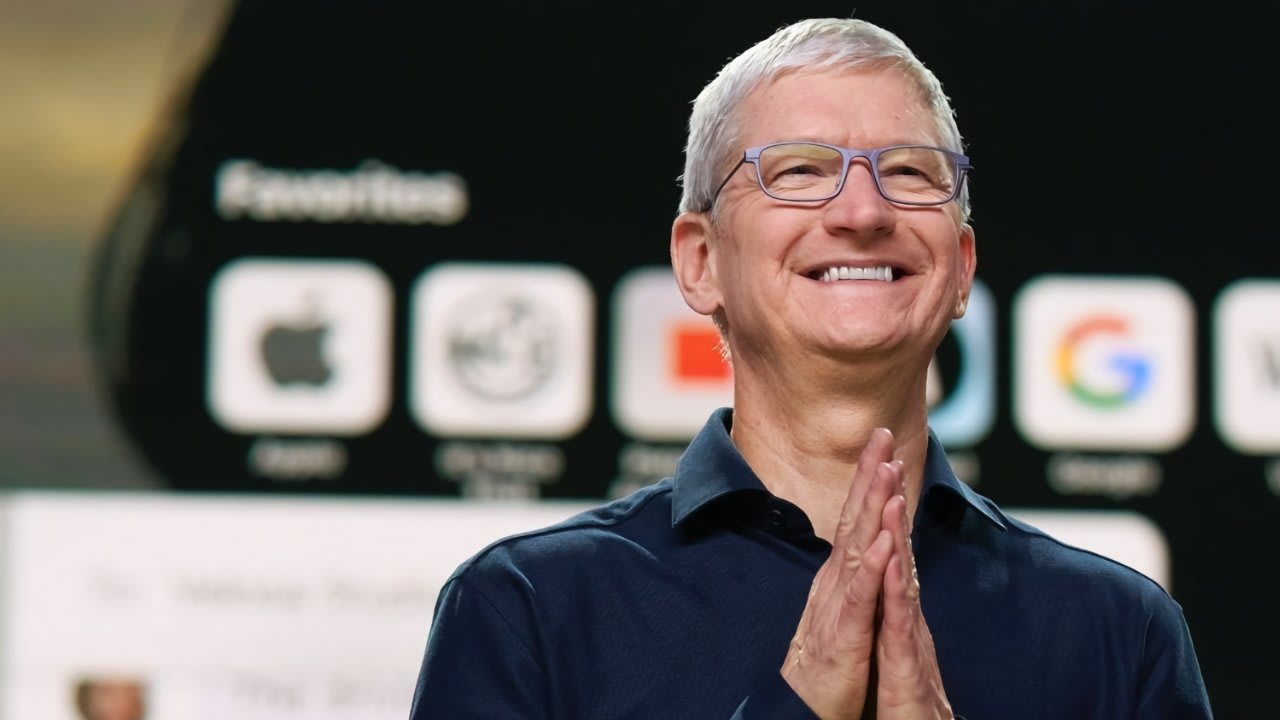
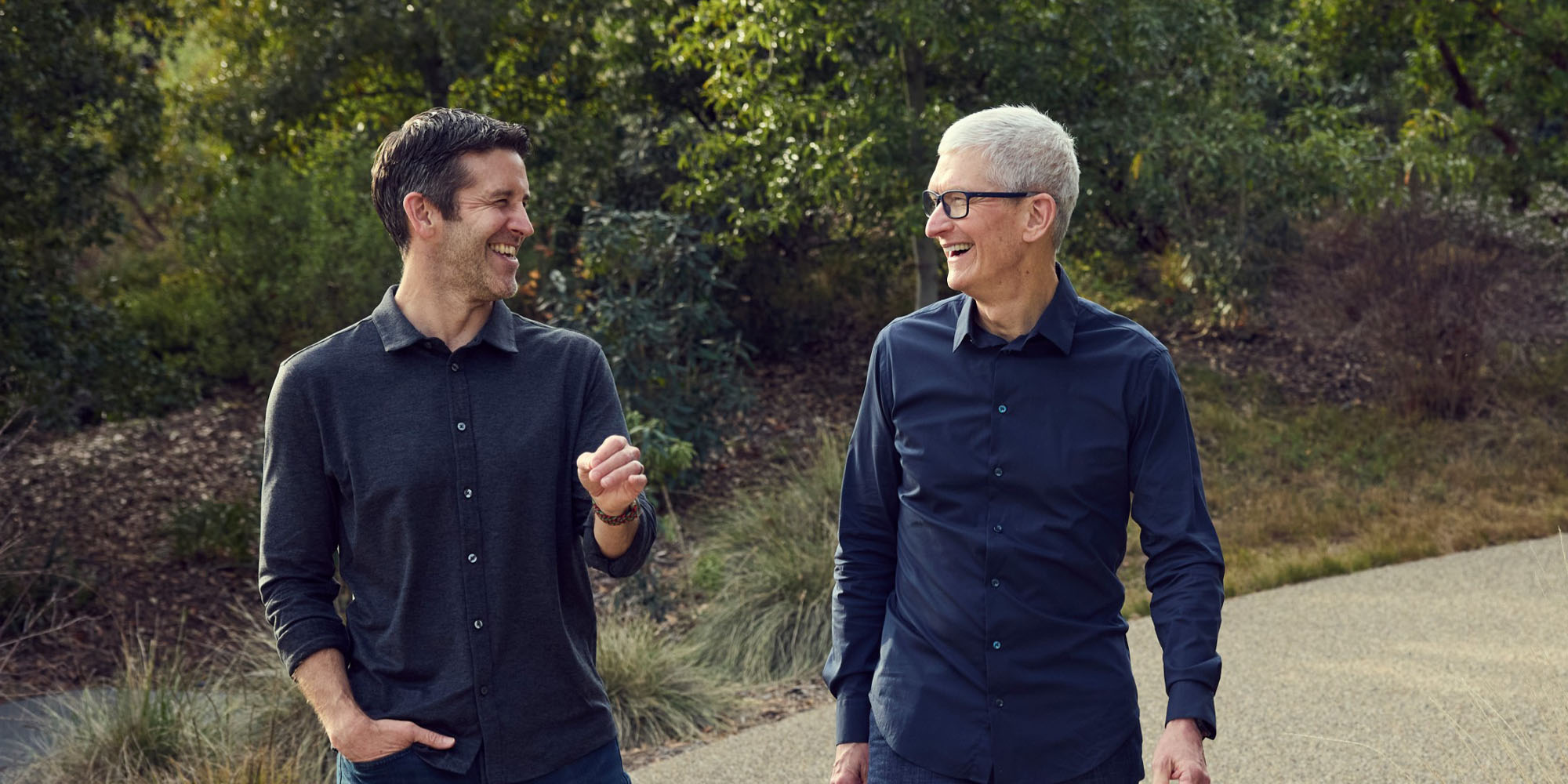
Ternus's own words were measured and reverent: "Having spent almost my entire career at Apple, I have been lucky to have worked under Steve Jobs and to have had Tim Cook as my mentor."
Cook's exit isn't without headwinds. Apple remains heavily dependent on Chinese manufacturing, a vulnerability experts say will take decades to mitigate. And in AI, the revolution that's reshaping tech, Apple has been conspicuously late. Earlier this year, it turned to Google's AI to power Siri, a move that underscored how far Apple trails in the race that matters most rightTim Cook, who has led Apple since 2011, becomes executive chairman of the board
Cook's legacy, though, is secure. The operations wizard who was the anti-Jobs, calm, mild-mannered, supply-chain obsessed, built Apple into something his predecessor never could: a $4 trillion machine that prints cash quarter after quarter. He also made history as the first Fortune 500 CEO to publicly come out as gay, writing in a 2014 essay that he wanted to be a role model for LGBTQ youth.
In his farewell letter, Cook wrote personally about 15 years of reading emails from Apple users every morning, "the perfect selfie you captured at the summit of a mountain that seemed impossible to climb," the "mom saved by her Apple Watch." The sentiment was pure Cook: less visionary, more operator, but genuinely human.
The question now is whether a hardware engineer can steer Apple through an AI age where software, not silicon, is the battleground. September 1 will mark the beginning of thatCook and Ternus: the handover at Apple