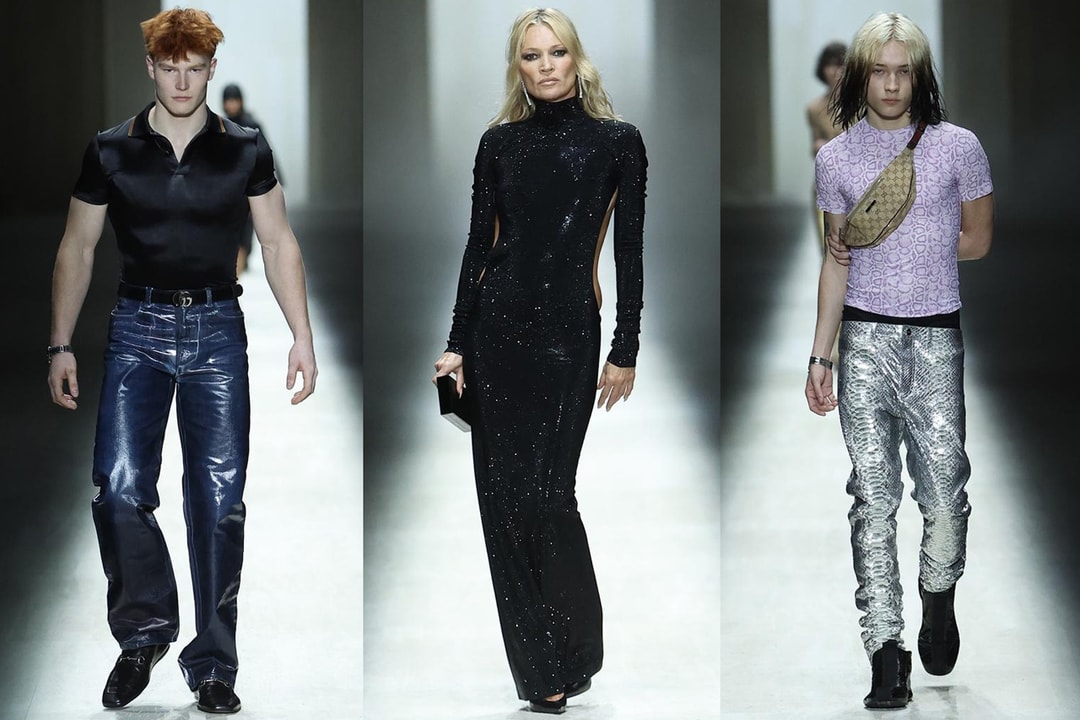
Demna Gvasalia has built his reputation on cultural excavation, unearthing the pulse of youth movements and translating them into luxury fashion statements. For his inaugural Gucci collection, the Georgian designer didn't just tap into underground culture, he orchestrated a full-scale takeover that positioned Milan Fashion Week as the unlikely epicenter of UK drill and hyperpop.
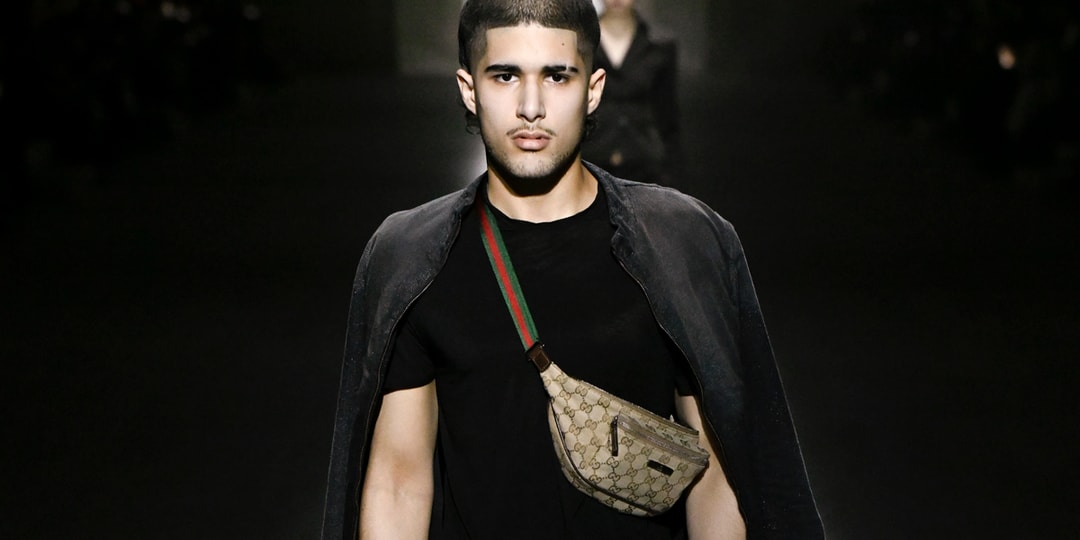
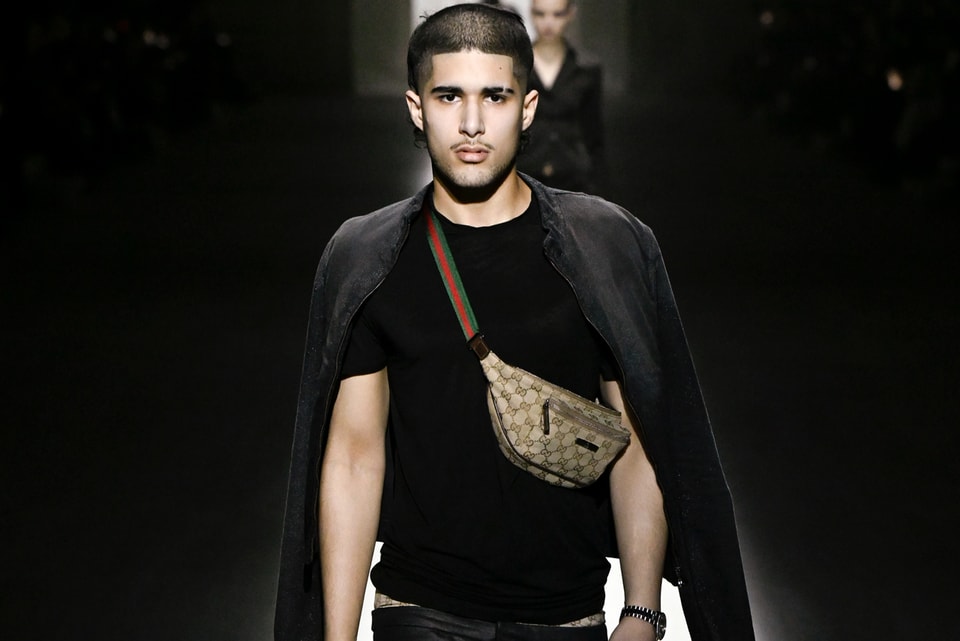
The most striking moment belonged to fakemink, whose runway appearance epitomized the collision between authentic street culture and luxury fashion theatricality. Midway through his walk, the elusive rapper-producer stopped, pulled his phone from a Gucci crossbody bag, checked his notifications, and continued his stride. The gesture was simultaneously performative and genuine, a perfect encapsulation of how digital-native artists navigate public spaces while remaining tethered to their virtual communities.
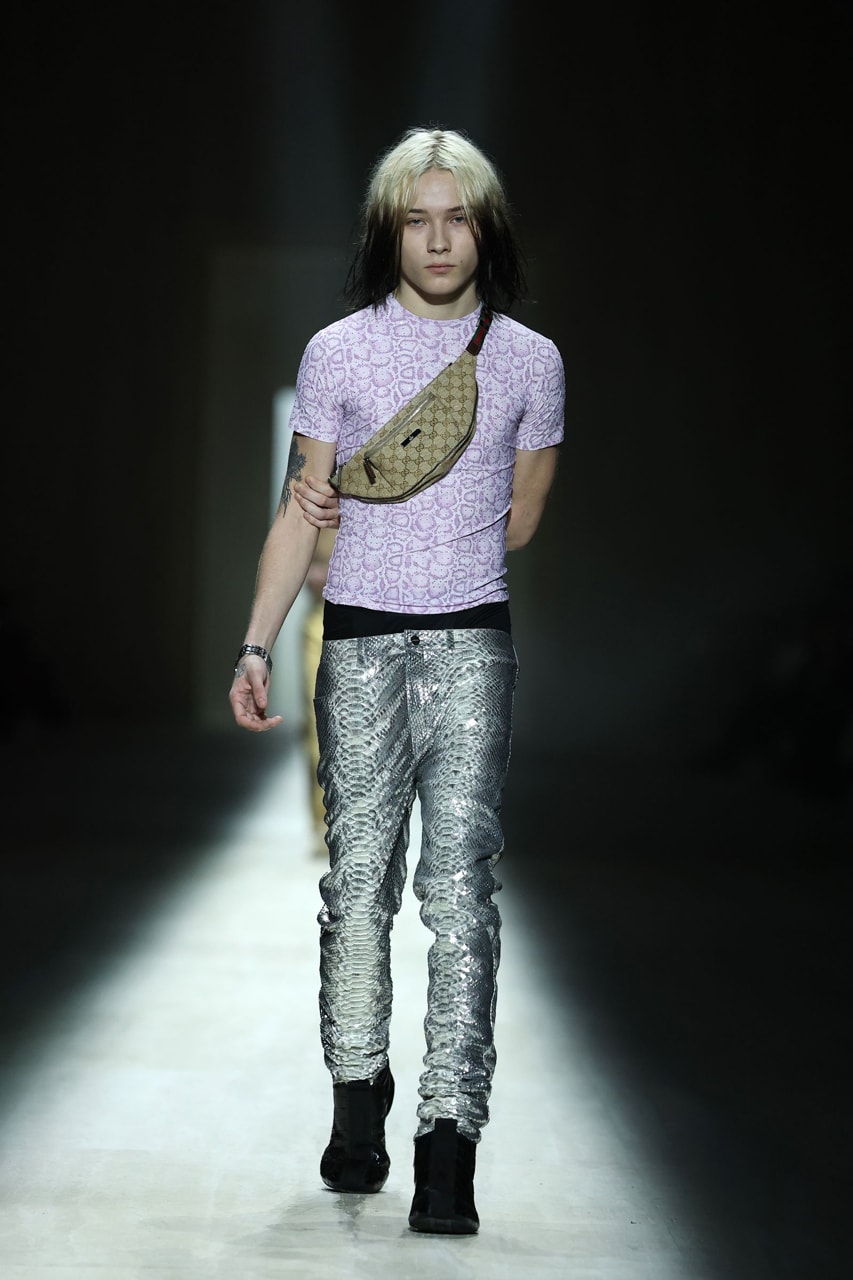
Nettspend's presence carried its own narrative weight. Having postponed his highly anticipated "Early Life Crisis" album release just eight hours before the show, the rapper's Milan appearance became part performance art, part damage control. His purple snakeskin ensemble spoke to Demna's understanding of how contemporary artists blur the lines between music, fashion, and personal brand mythology.
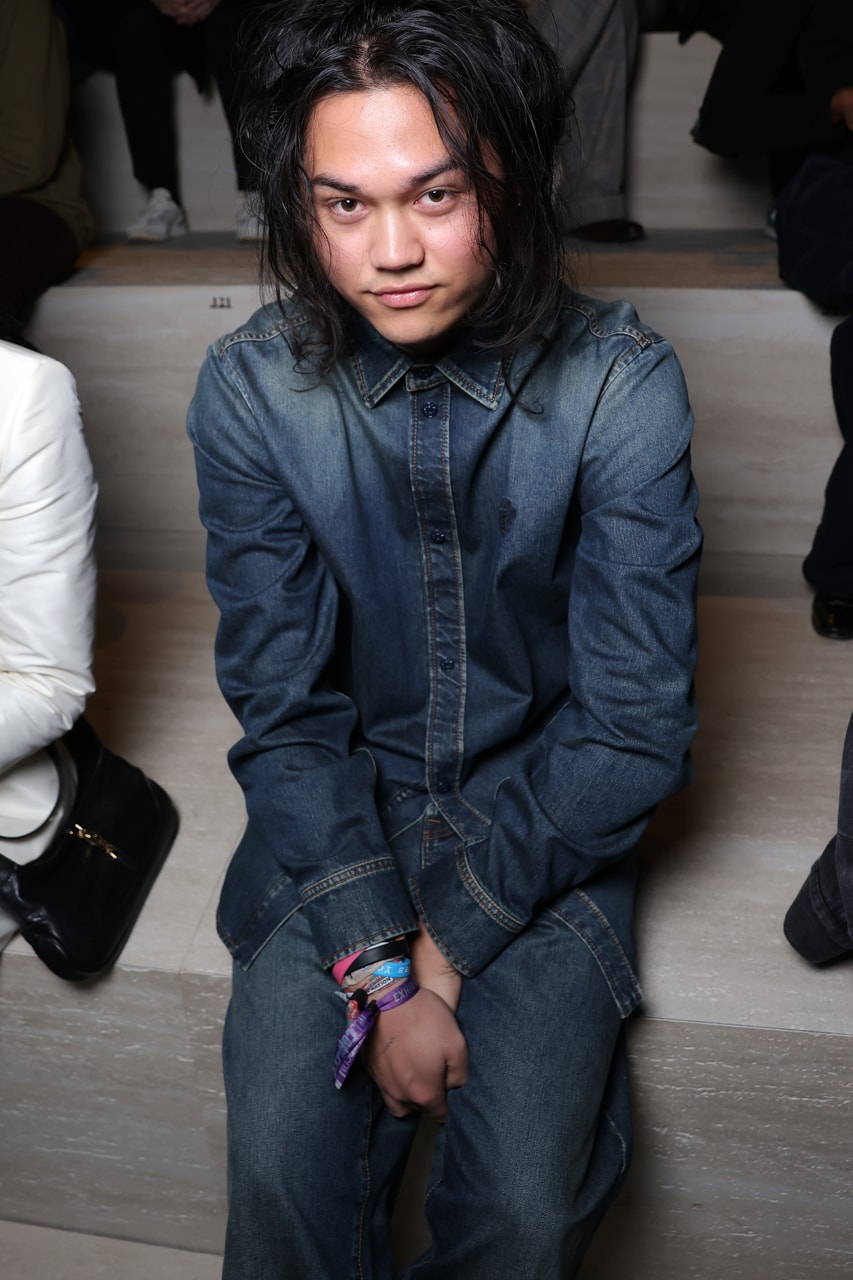
The front row served as an anthology of UK underground talent. Feng, fresh from his "Weekend Rockstar" album release, occupied his seat with the casual confidence of someone who belongs in luxury fashion's inner circle. EsDeeKid arrived with an oversized Gucci bag that functioned as both accessory and statement piece, while Fimiguerrero's all-black ensemble demonstrated how underground artists have developed their own codes of luxury presentation.
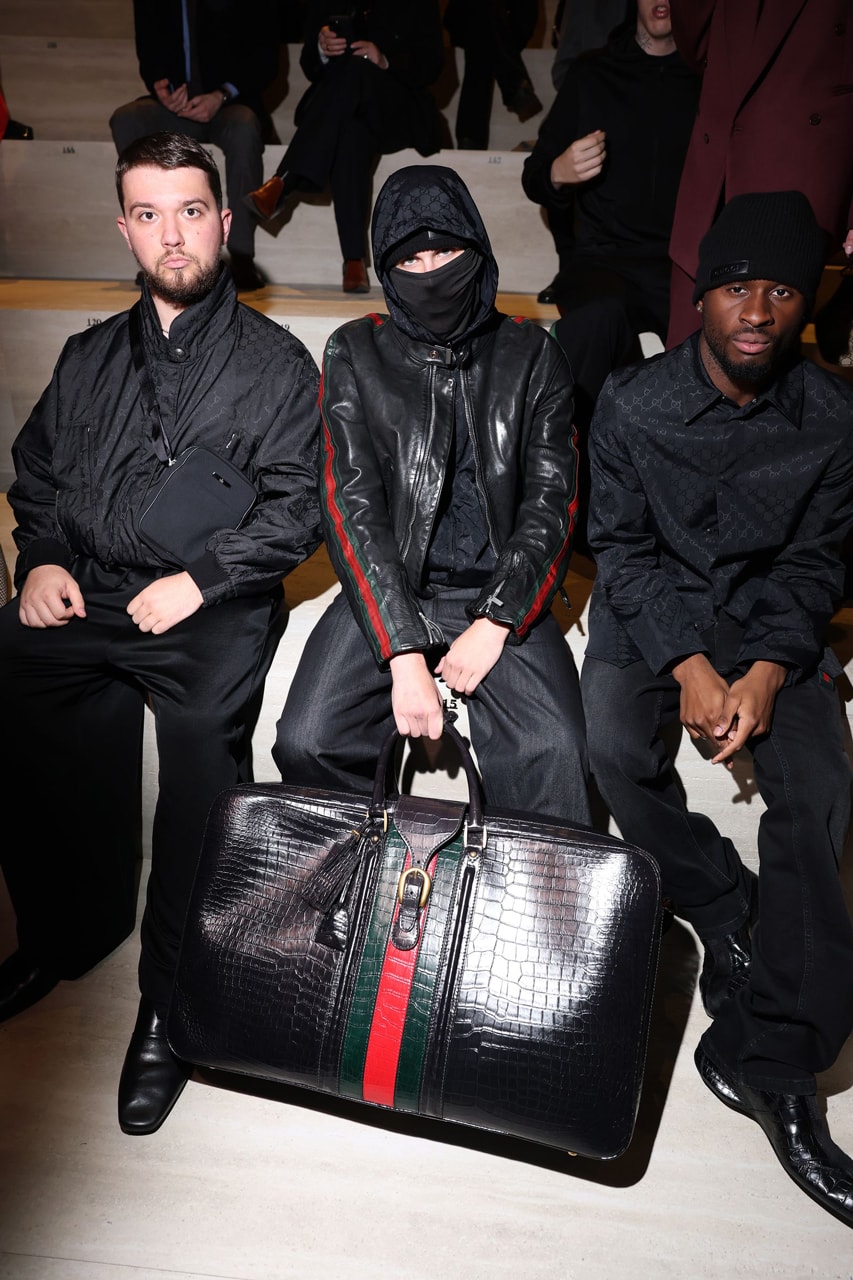
Perhaps most telling was Demna's personal outreach to 18-year-old Lil Zino, whose 15,000 Instagram followers represent a fraction of traditional celebrity influence metrics. The designer's direct invitation signals a shift in how luxury houses identify and cultivate cultural relevance. Numbers matter less than authenticity, and Zino's presence in the UK drill scene carries more weight than follower counts or verification badges.
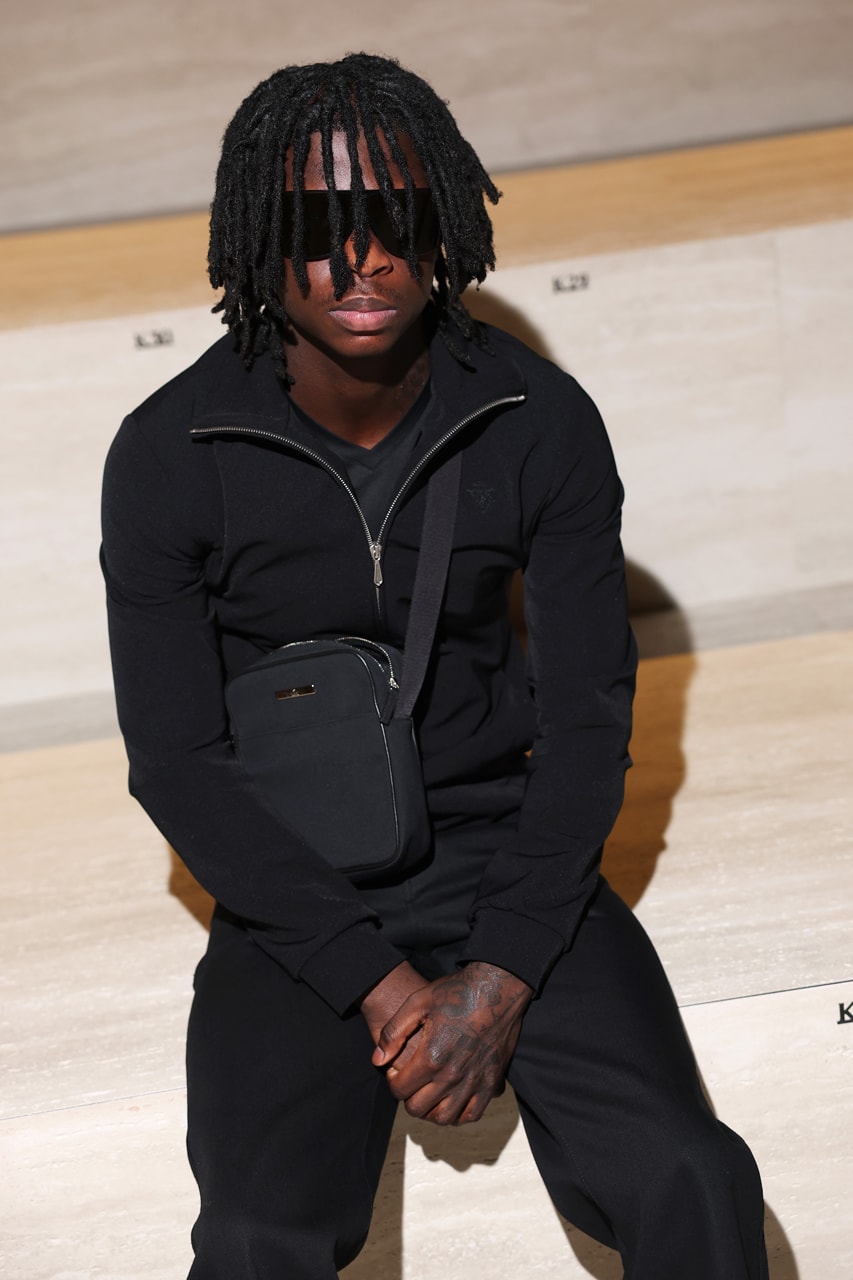
This strategy reflects Demna's broader philosophy of fashion as cultural documentation. By centering these artists, Gucci's Fall/Winter 2026 collection becomes more than seasonal merchandise; it transforms into a snapshot of a specific moment in UK music culture. The clothes themselves become secondary to the statement about who deserves space in luxury fashion's most exclusive venues.
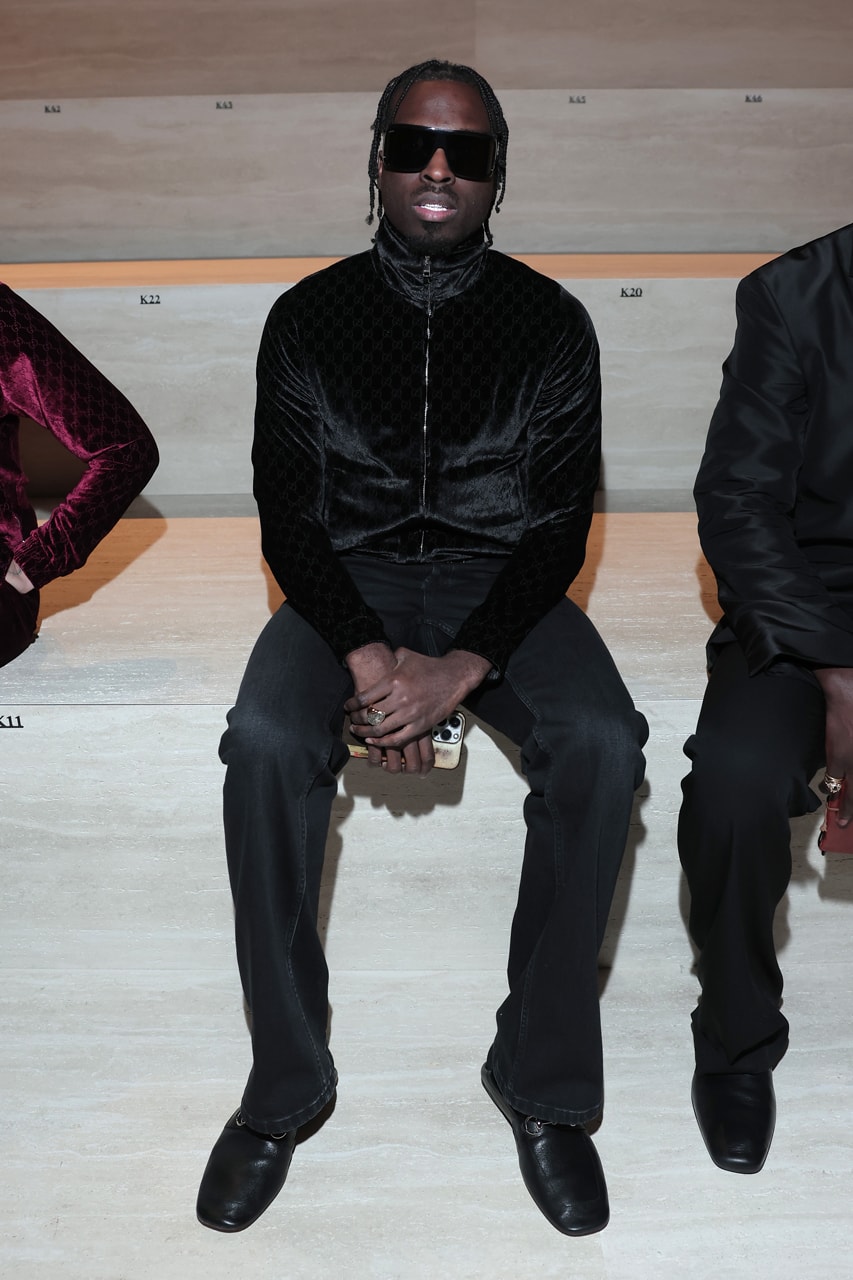
The collection's impact extends beyond the immediate spectacle. It establishes Gucci as a platform for emerging artists while positioning Demna as the rare luxury creative director who understands that cultural capital flows upward from the underground. In an industry often criticized for appropriating street culture without acknowledgment, this approach offers a more collaborative model of cultural exchange, where artists become partners rather than inspiration sources to be mined and discarded.