There is a street in the eighth arrondissement where Honoré de Balzac spent the last four years of his life. He moved there in 1847 to live with Madame Hanska, the love of his life, in a house on what was then called Avenue Fortunée. He died a few months after their marriage. The street was renamed in his honour that same year. And now, on the grounds of that final residence, a hotel stands that carries his name, and whose Instagram handle is @hotelbalzacparis without turning his story into a theme park.
Hôtel Balzac is a 5-star Relais and Châteaux property that reopened in 2024 after a complete renovation by Festen Architecture, the Parisian duo of Charlotte de Tonnac and Hugo Sauzay, known for Château Voltaire in Paris and Hôtel du Couvent in Nice. The result is a hotel that understands the difference between heritage and decoration. It does not wear its literary past on its walls. It lets the history sit quietly in the address, in the street name, in the careful preservation of his legacy on these grounds, and then it gets on with the business of being an exceptionally good place to stay in a city that does not suffer mediocre hotels.
Discretion by Design
The location is the thing. Corner of Rue Balzac and Rue Lord Byron, two streets that form a pocket of residential calm just off the Champs-Élysées. Close enough to walk to the avenue in under a minute, far enough to never hear it. This is not a hotel that announces itself with a grand facade or a doorman in tails. It is a townhouse behind wrought iron, the kind of place you find because someone tells you about it, not because you spotted it from a taxi.
Positioned near the Champs-Élysées while offering private, residential discretion. Built on Honoré de Balzac's last residence (formerly Avenue Fortunée), attracting a cosmopolitan Parisian crowd.
Hôtel Balzac
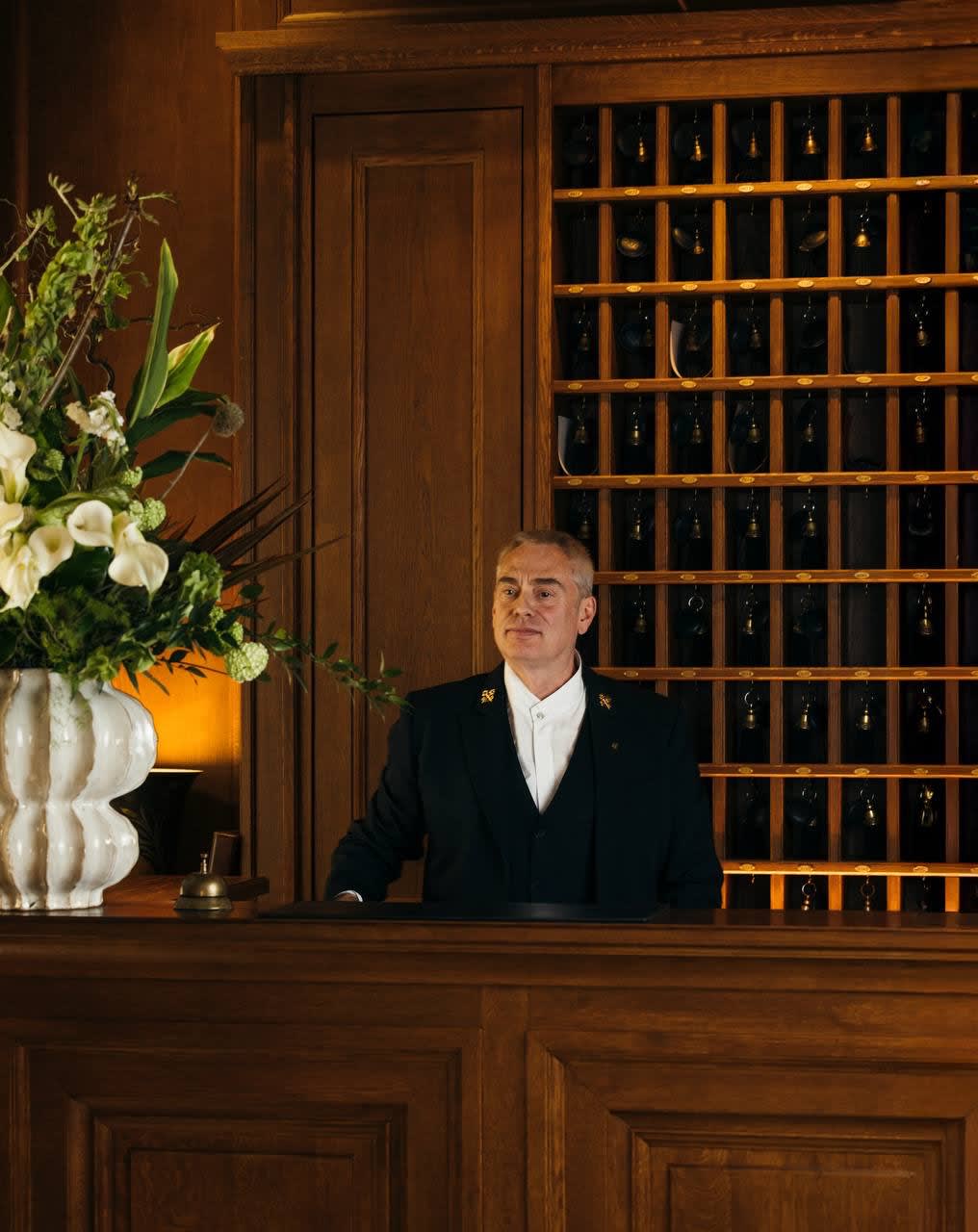
The crowd reflects this. Fashion editors between shows. Diplomats who prefer not to be photographed in lobbies. Regulars who have been coming for years and know the bartender by name. The hotel draws the sort of guest who values being left alone over being looked after, which is a distinction that most luxury hotels fail to make.
Architecture, Views, and Modern Elegance
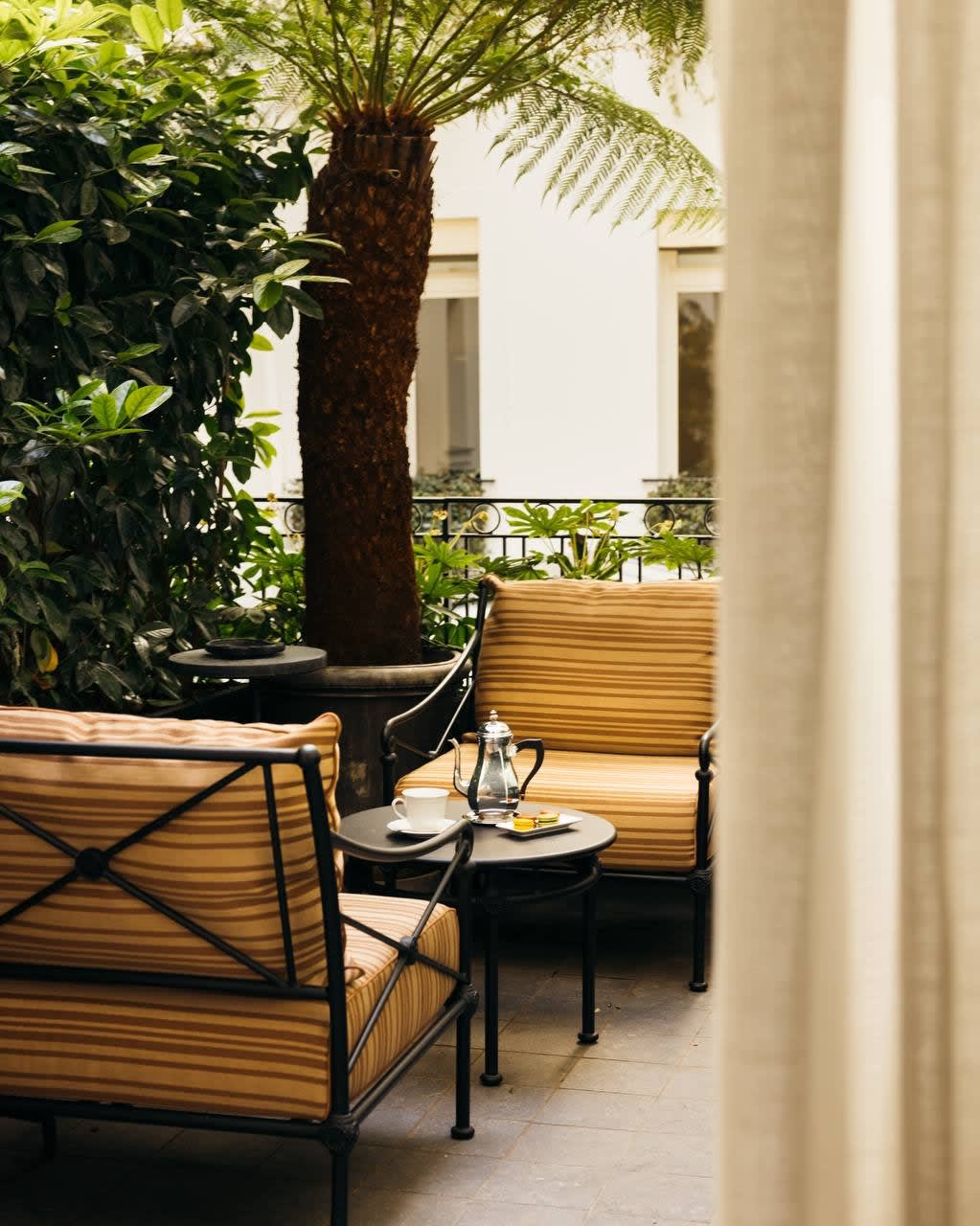
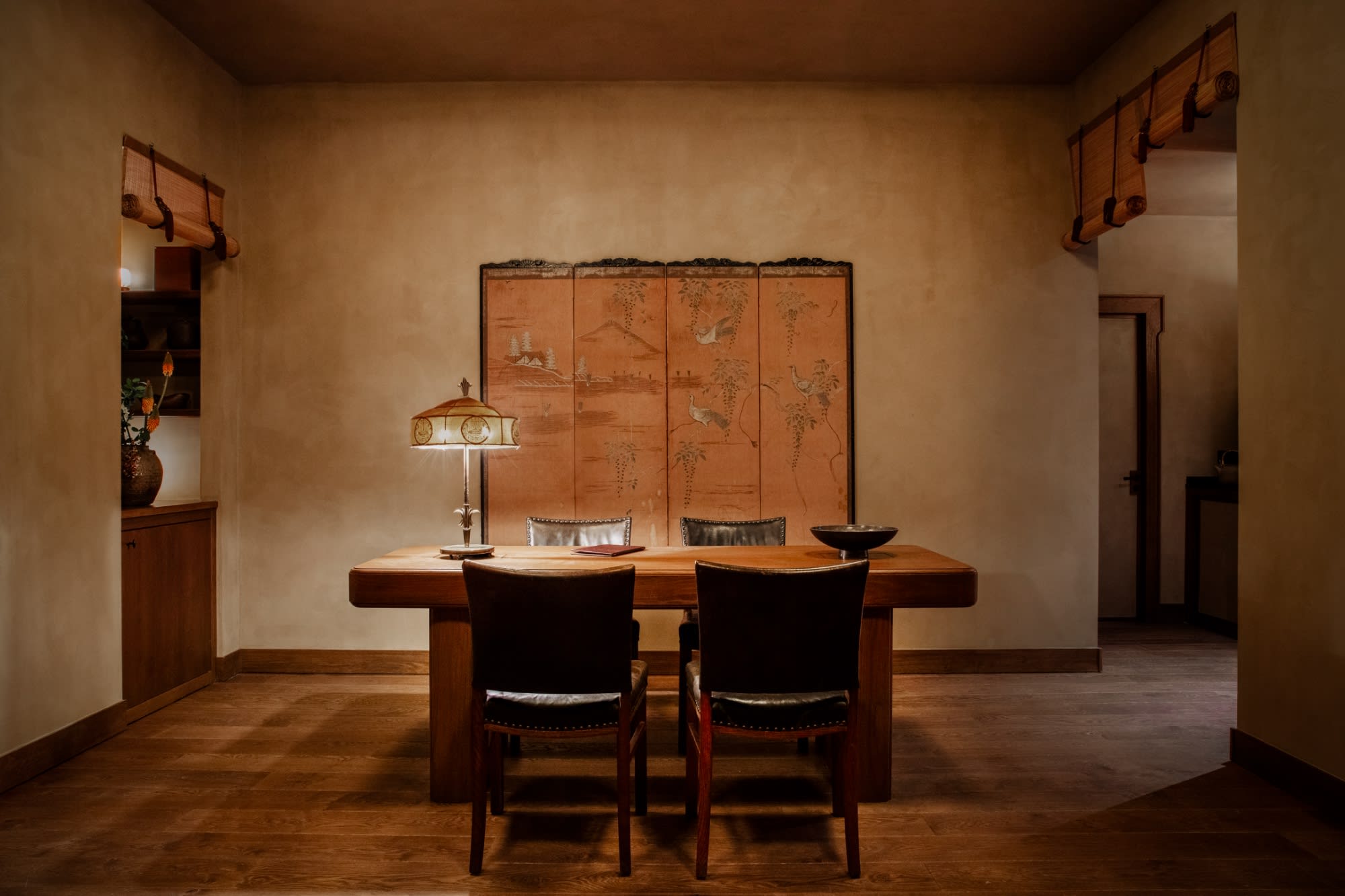
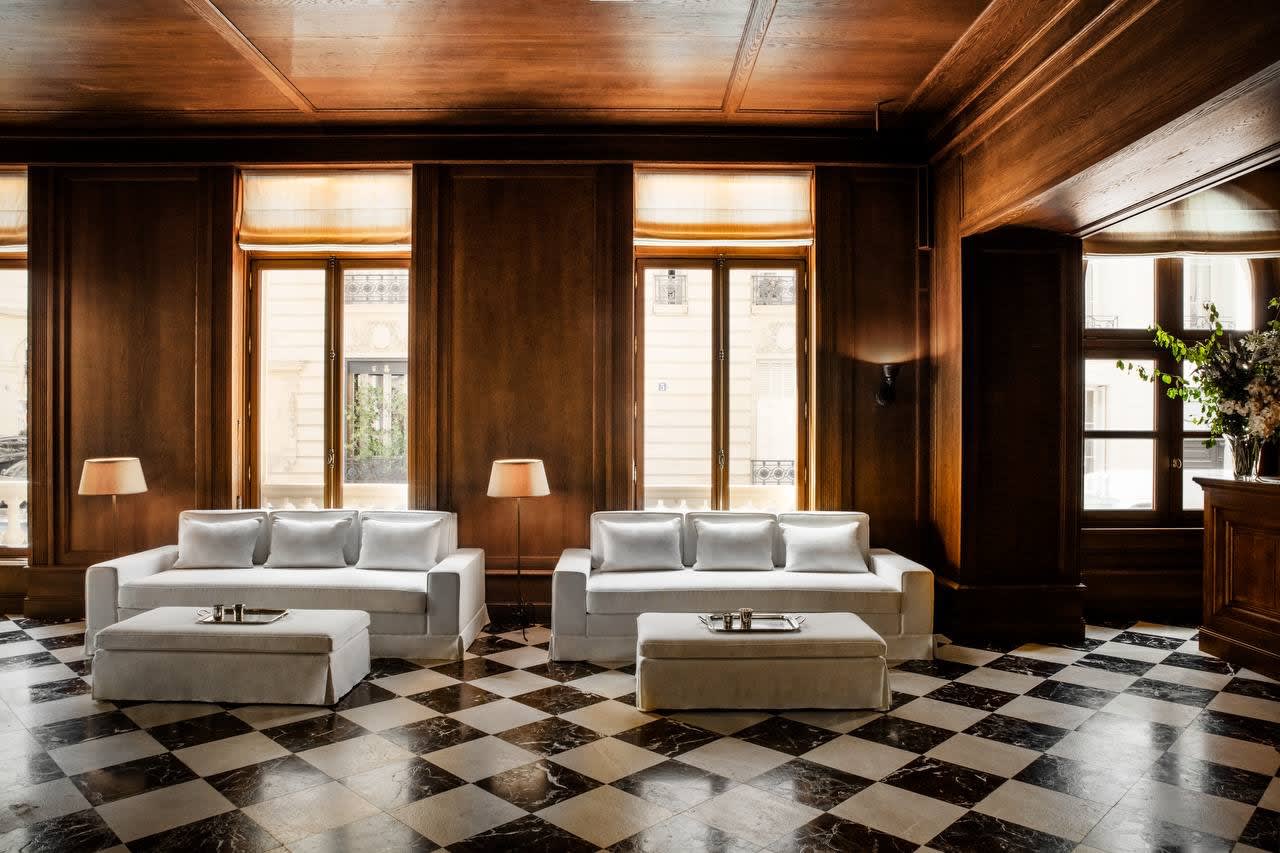
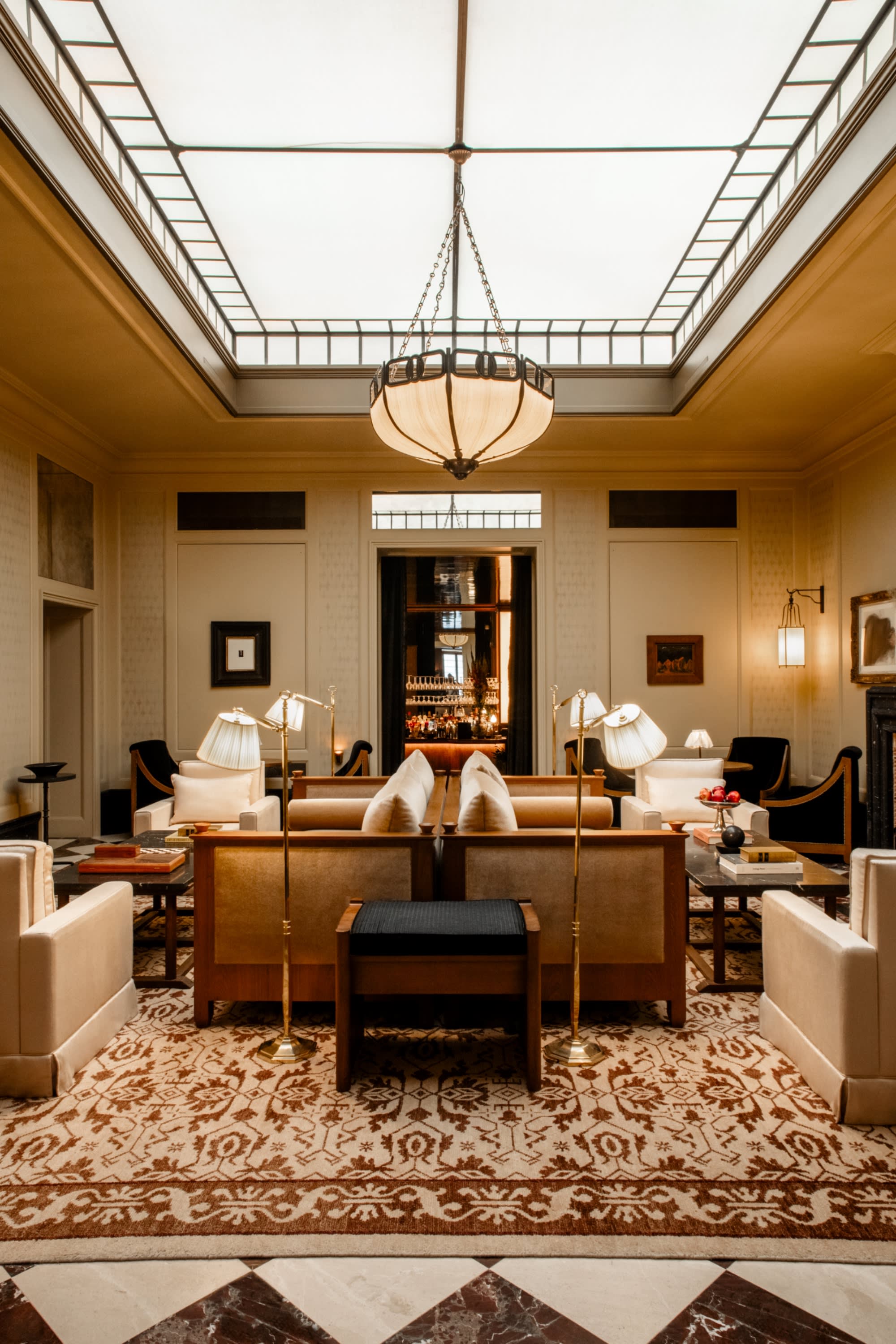
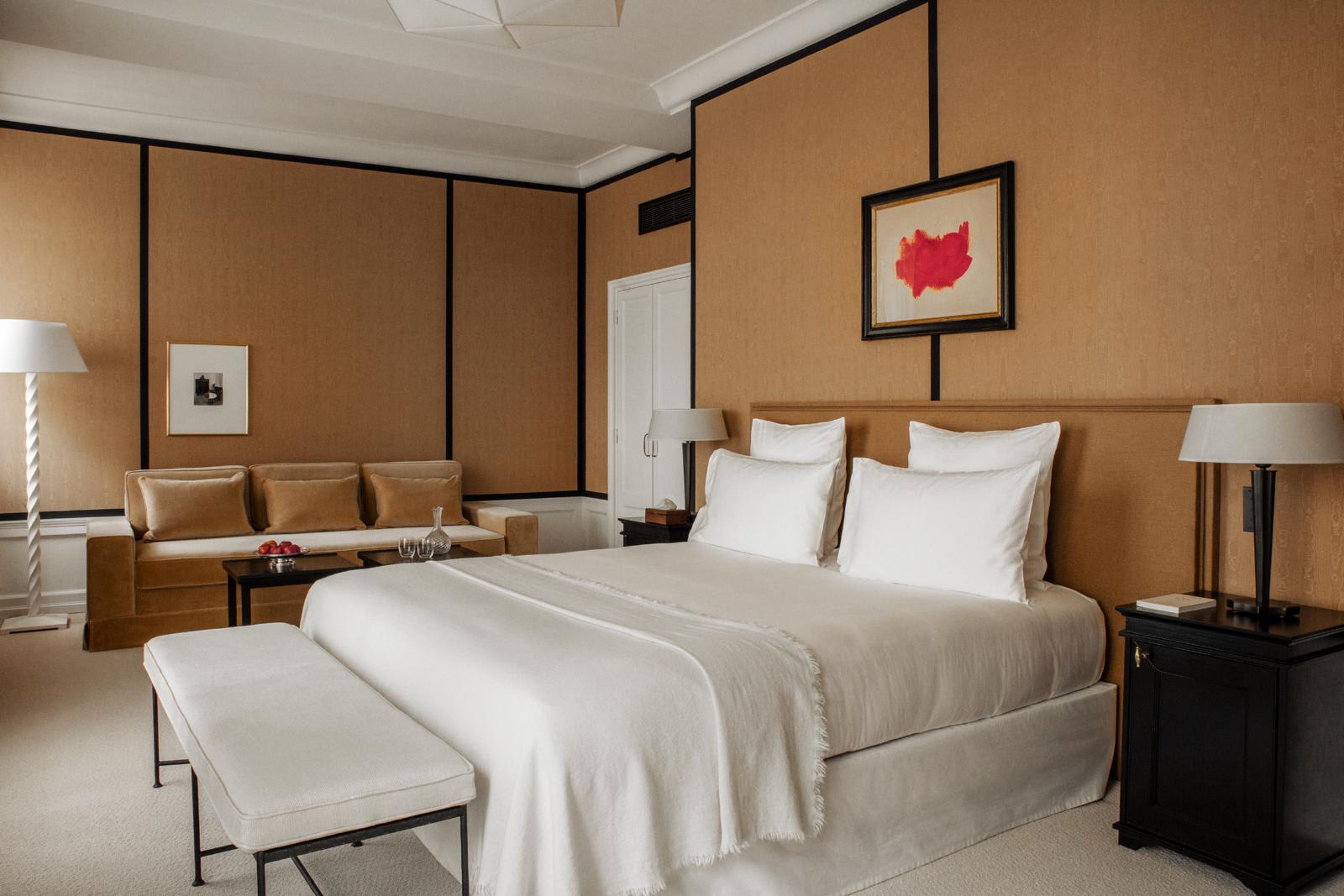
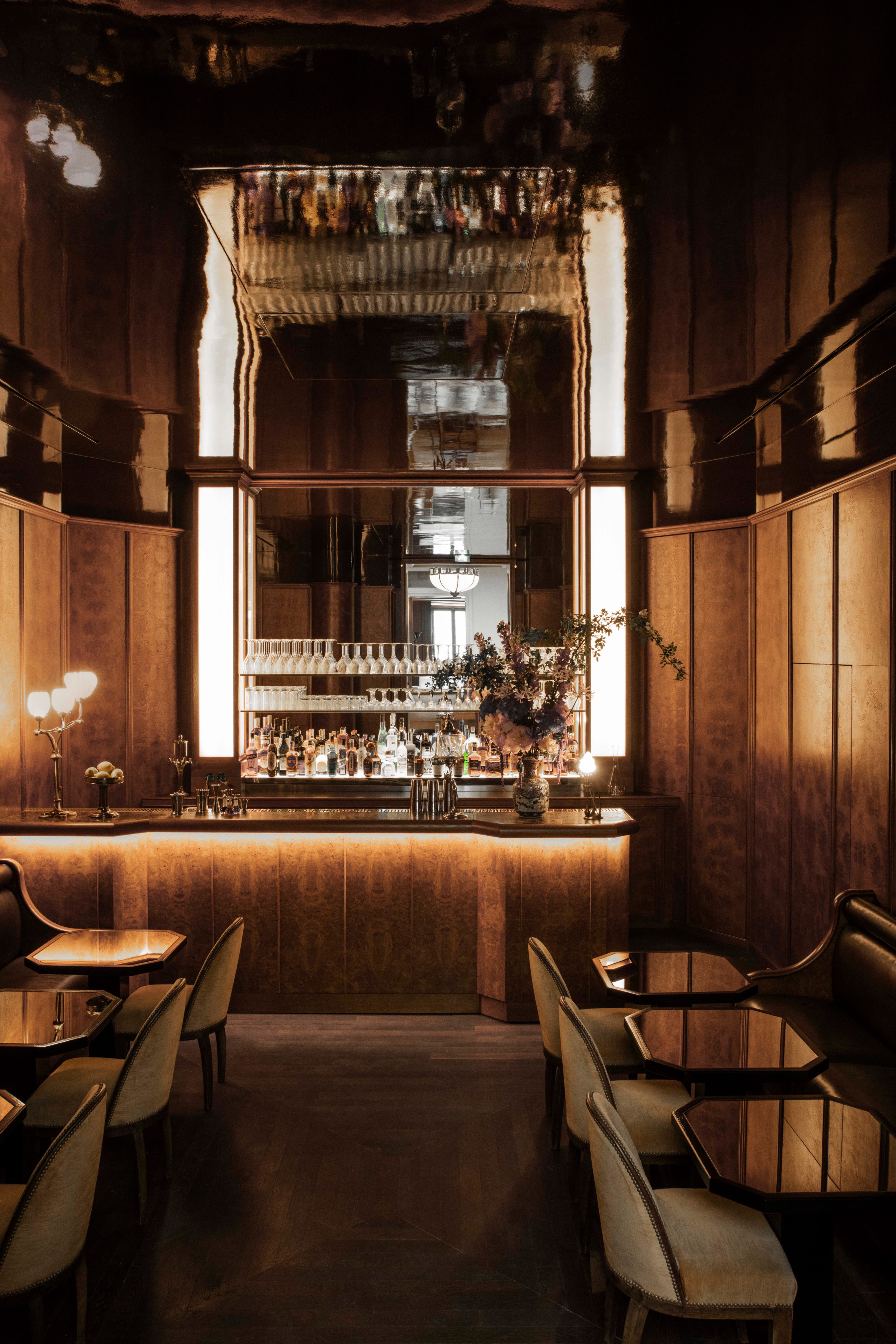
Festen's renovation is the opposite of the generic luxury playbook. Red marble and Burgundy stone paving the lobby floors. Burl oak, lacquered surfaces, velvet, moiré fabrics in warm cognac and tawny tones, custom furniture inspired by the 1930s and 1940s but reinterpreted with a modern eye. The glass-roofed lounge is the centrepiece, a room that shifts from morning coffee to afternoon tea to evening cocktails without ever feeling like it is trying too hard.
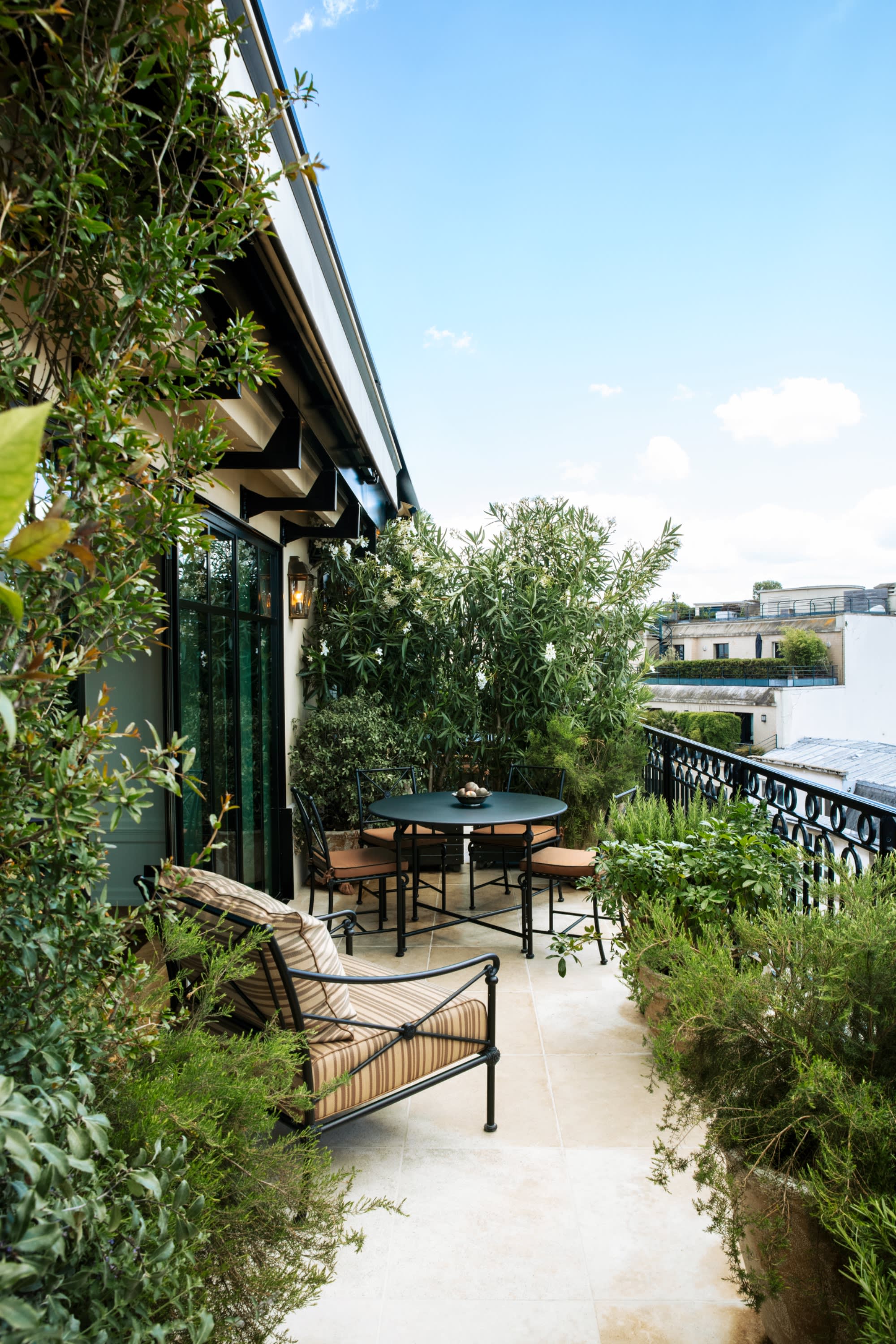
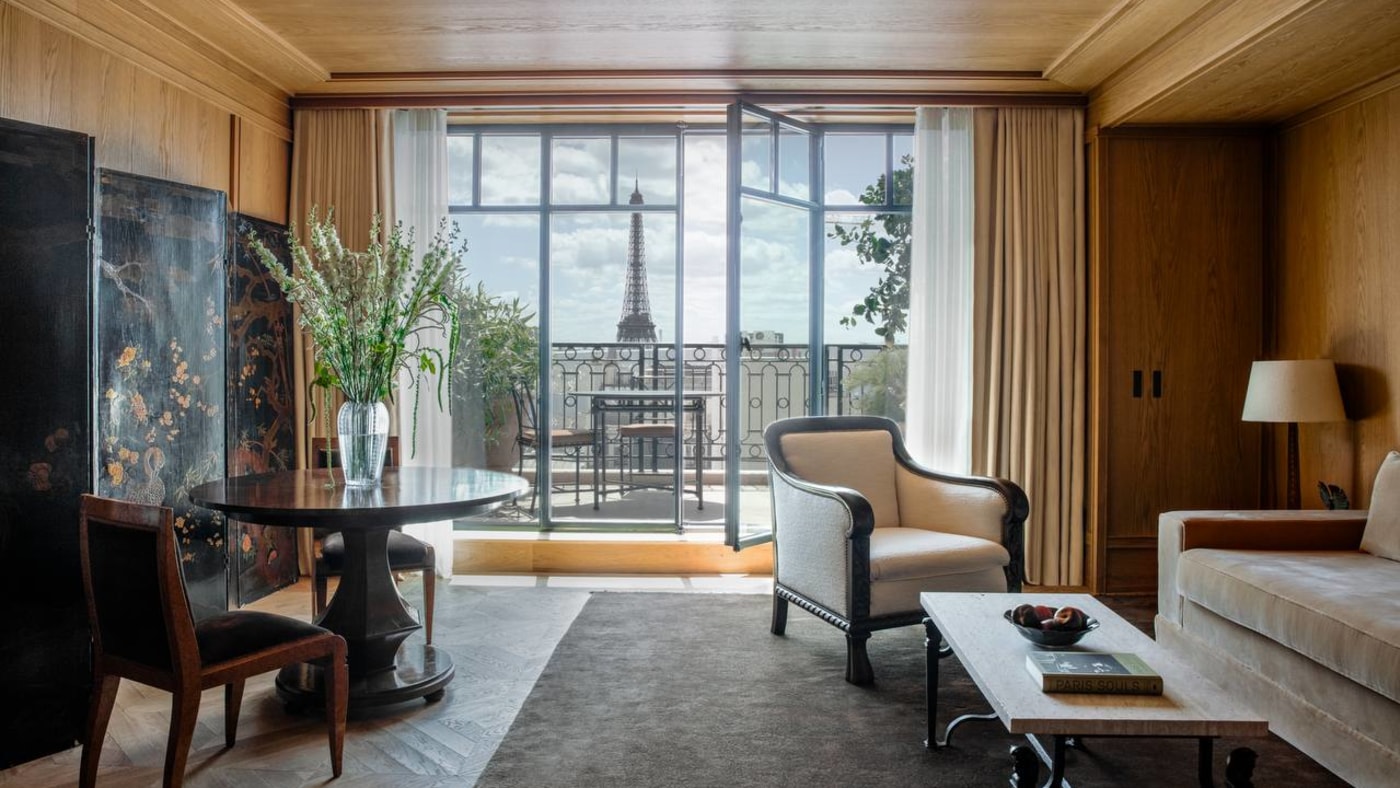
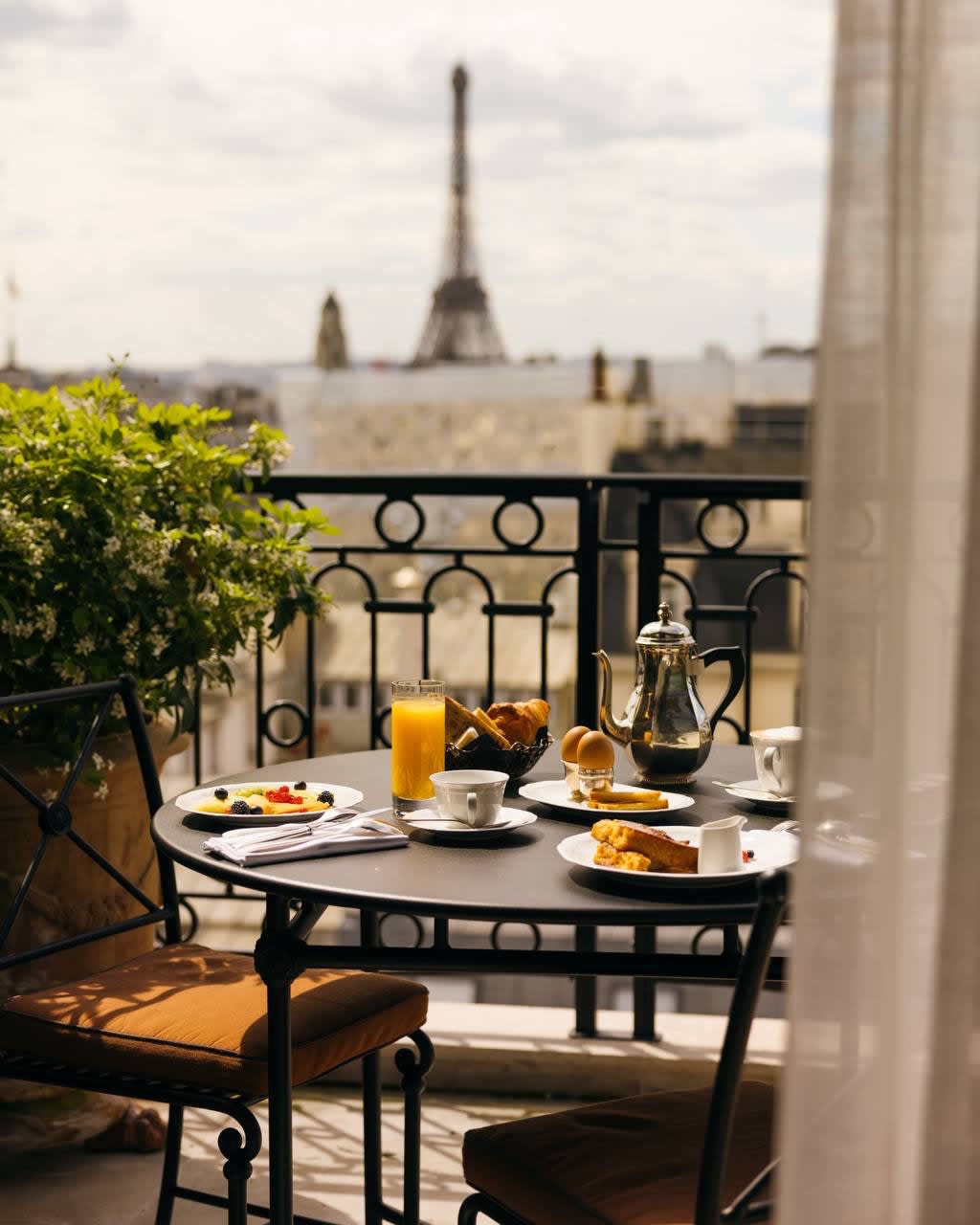
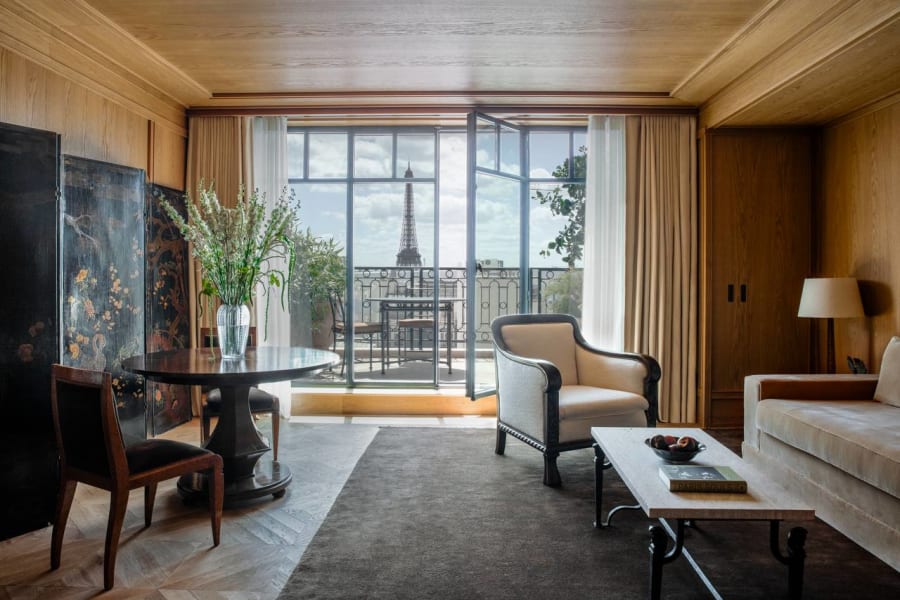
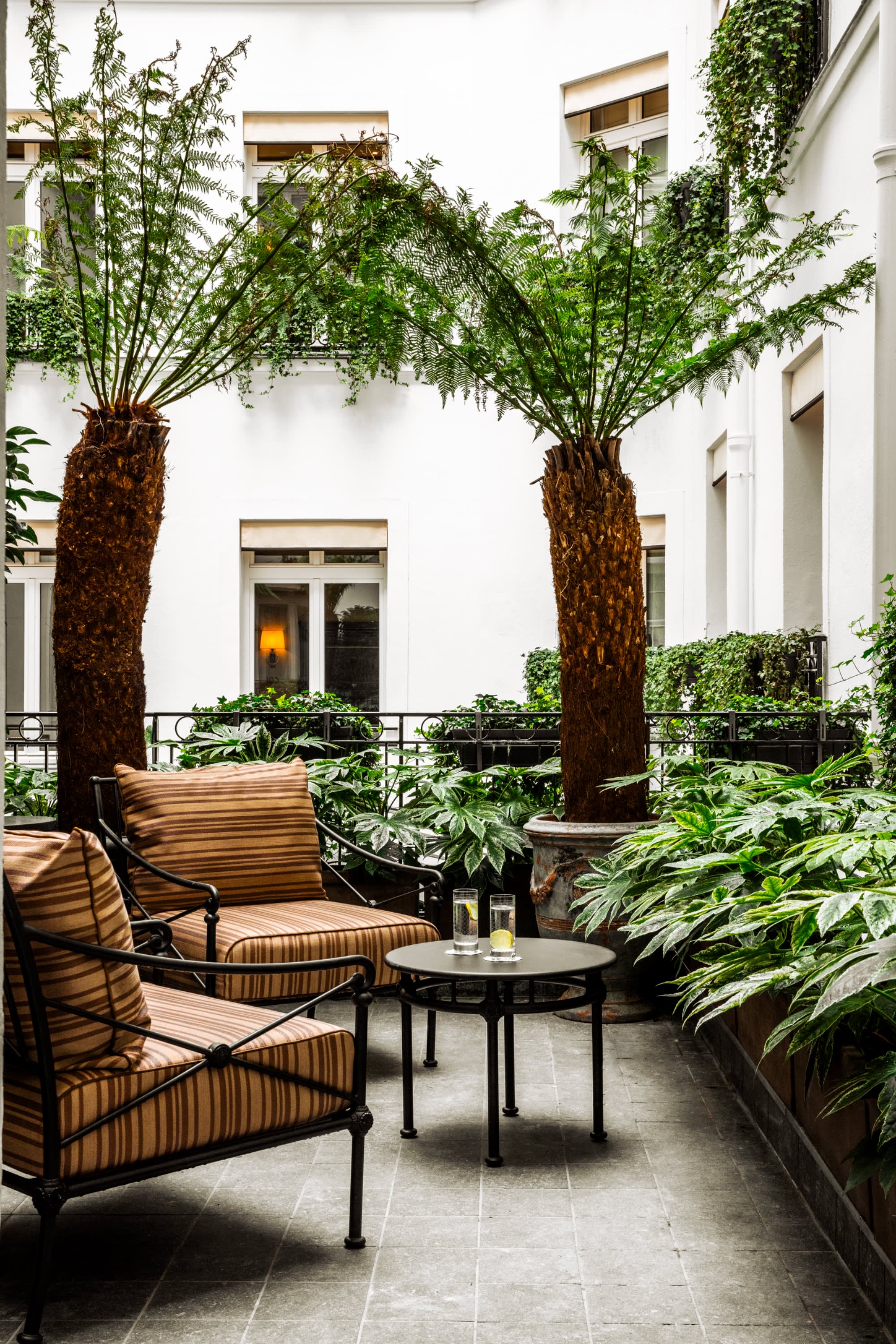
Designed by Festen duo (Charlotte de Tonnac and Hugo Sauzay) across 58 rooms and suites. Features burl oak, lacquered surfaces, velvet, moiré fabrics in warm cognac and tawny tones, custom 1930s/40s-inspired furniture, and private terraces overlooking the Eiffel Tower.
Hôtel Balzac
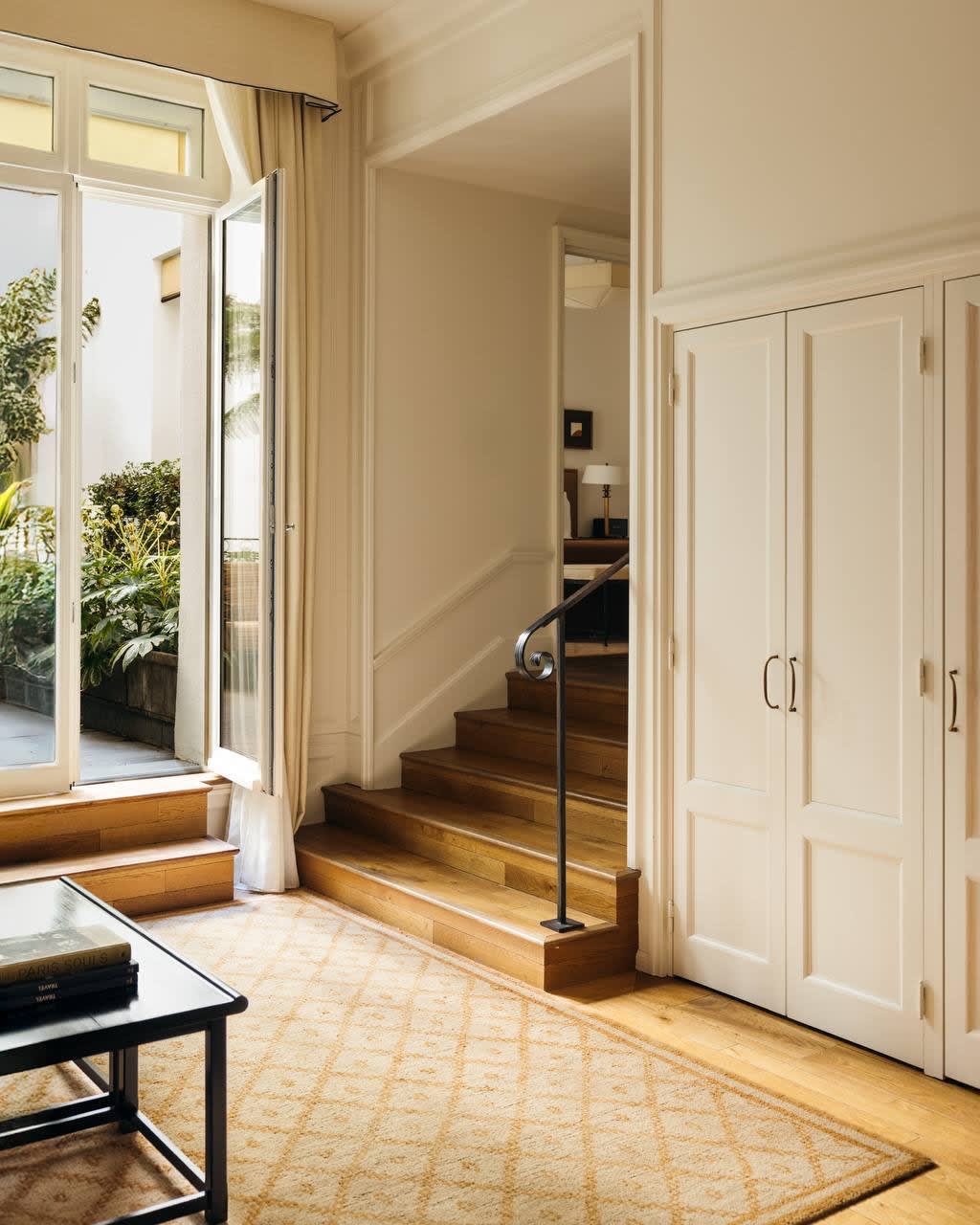
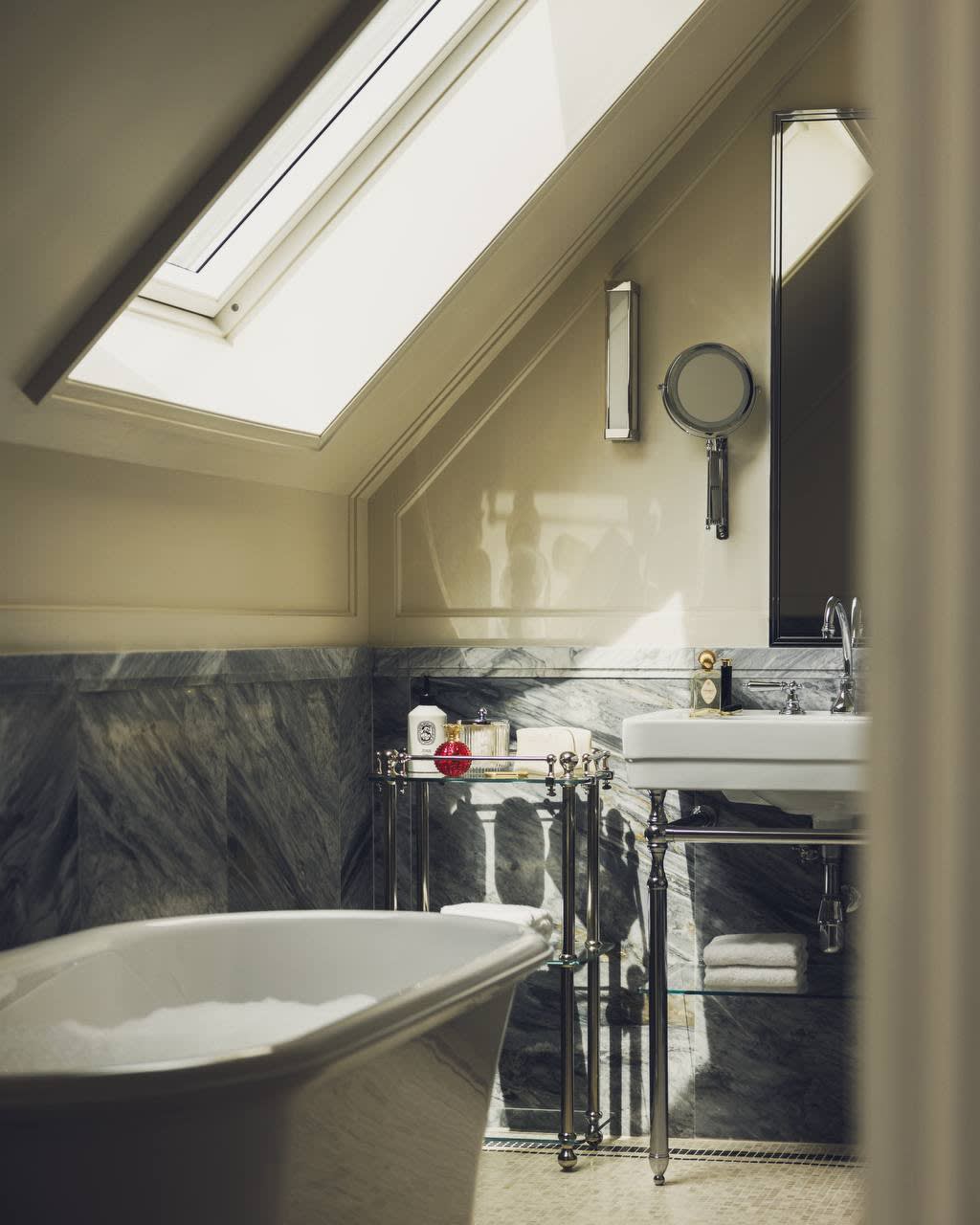
The 58 rooms and suites follow the same philosophy. Sheltered from the street, each one a cocoon of muted colour and considered material. Light is treated as an actual design element, not an afterthought. Some rooms look out over Parisian rooftops. The two top-floor suites have private terraces with direct sightlines to the Eiffel Tower, which is the kind of view that photographs never quite capture and guests never quite want to leave.
Ikoï: Japanese Wellness in the Eighth
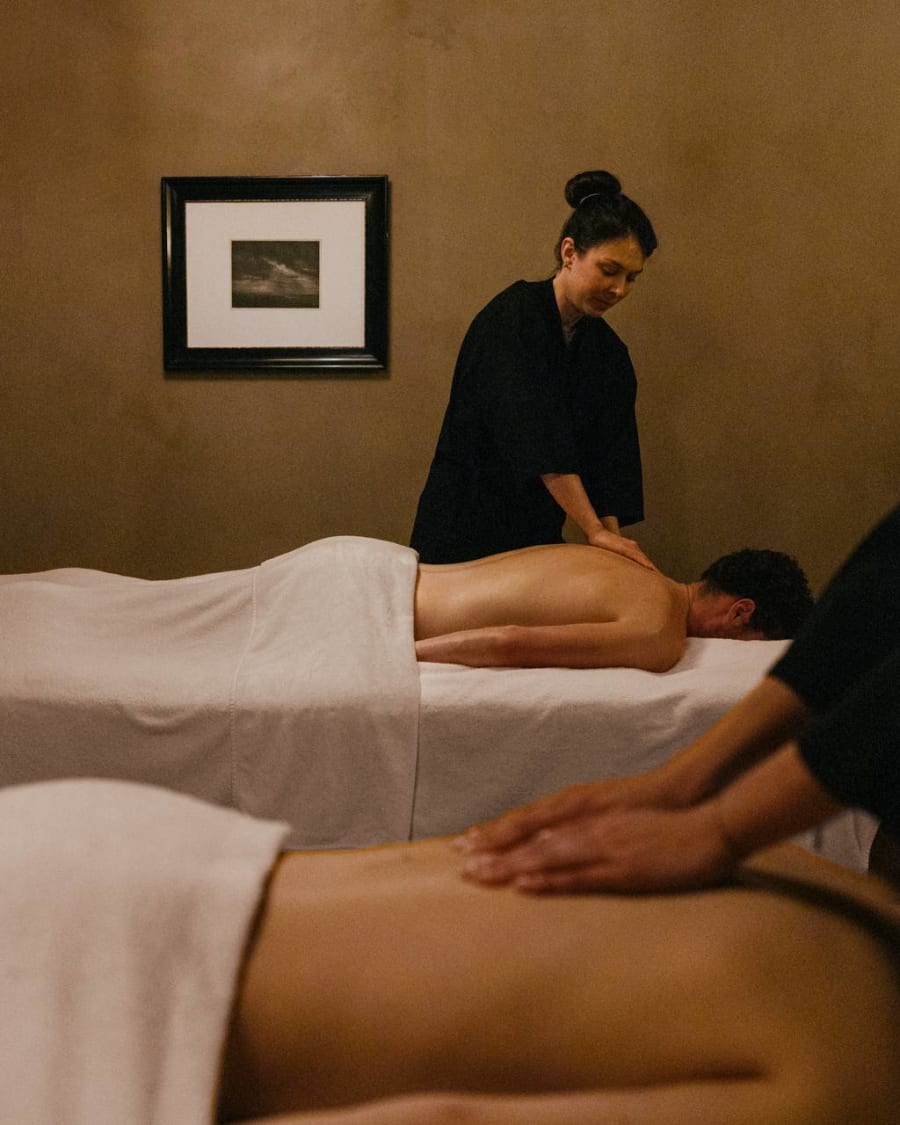
Spa Ikoï is the hotel's most distinctive offering, and the one that most clearly signals its refusal to do what every other Parisian hotel spa does. Ikoï means the art of feeling well, and the programme is Japanese-inspired rather than French-standard. Traditional foot bath rituals begin the experience, a practice rooted in Japanese onsen culture that most guests do not expect to find three streets from the Arc de Triomphe. Shiatsu treatments follow, delivered on tatami mats or treatment tables, depending on preference.
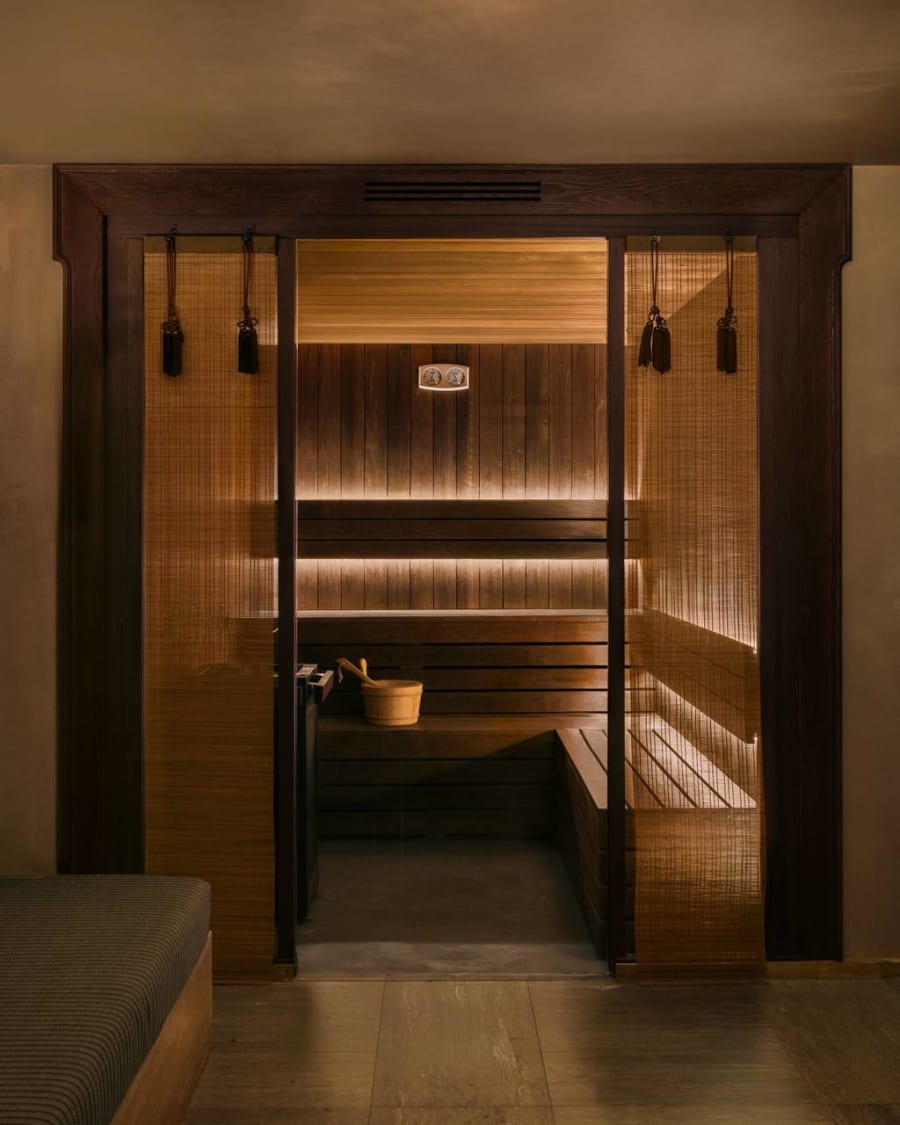
Japanese-inspired wellness sanctuary centred on Ikoï (the art of feeling well). Offers traditional foot bath rituals, Shiatsu, three treatment cabins for face and body, a sauna, a plunge pool, and a dedicated fitness space.
Hôtel Balzac
Three treatment cabins for face and body. A sauna. A plunge pool. A dedicated fitness space. The Kobido facial, a traditional Japanese anti-ageing technique, is available alongside deep tissue and herbal compress treatments. The whole thing feels like a deliberate choice: instead of replicating the generic wellness menu that every hotel copies from every other hotel, Hôtel Balzac built something that actually reflects a philosophy. The foot bath ritual alone, with its emphasis on grounding and transition, is worth the visit.
The Relais and Châteaux Legacy
Hôtel Balzac holds a Michelin Key, awarded in 2025 and retained in 2026. It is part of the Relais and Châteaux collection, alongside sister properties Relais Christine and Saint James Paris, all three operated by the family-owned Vivre group, Les Maisons Bertrand. The Michelin Key matters here not as a vanity metric but as recognition that the hotel operates at a level of genuine hospitality rather than performative luxury.
A 5-star Relais & Châteaux member awarded 1 Michelin Key (alongside sister properties Relais Christine and Saint James Paris). Focuses on empathetic service, deep listening, and genuine hospitality rather than standardized routines.
Hôtel Balzac
What distinguishes the service is not the number of staff or the thread count of the sheets. It is the listening. Empathetic service, as the brief describes it, which is a phrase that sounds like corporate language until you experience a hotel where the staff actually remember how you take your coffee, which newspaper you prefer, and whether you like your room made up before or after lunch. Deep listening is not a skill that can be trained into a manual. It is a culture, and either a hotel has it or it does not.
And then there is the food. A secret door in the lobby opens directly into Pierre Gagnaire, the three Michelin star restaurant that shares the building. It is not part of the hotel, but the proximity changes what a stay here means. You do not need to leave the building for one of the best meals in Paris. You do not even need to go outside.
What Comes Next
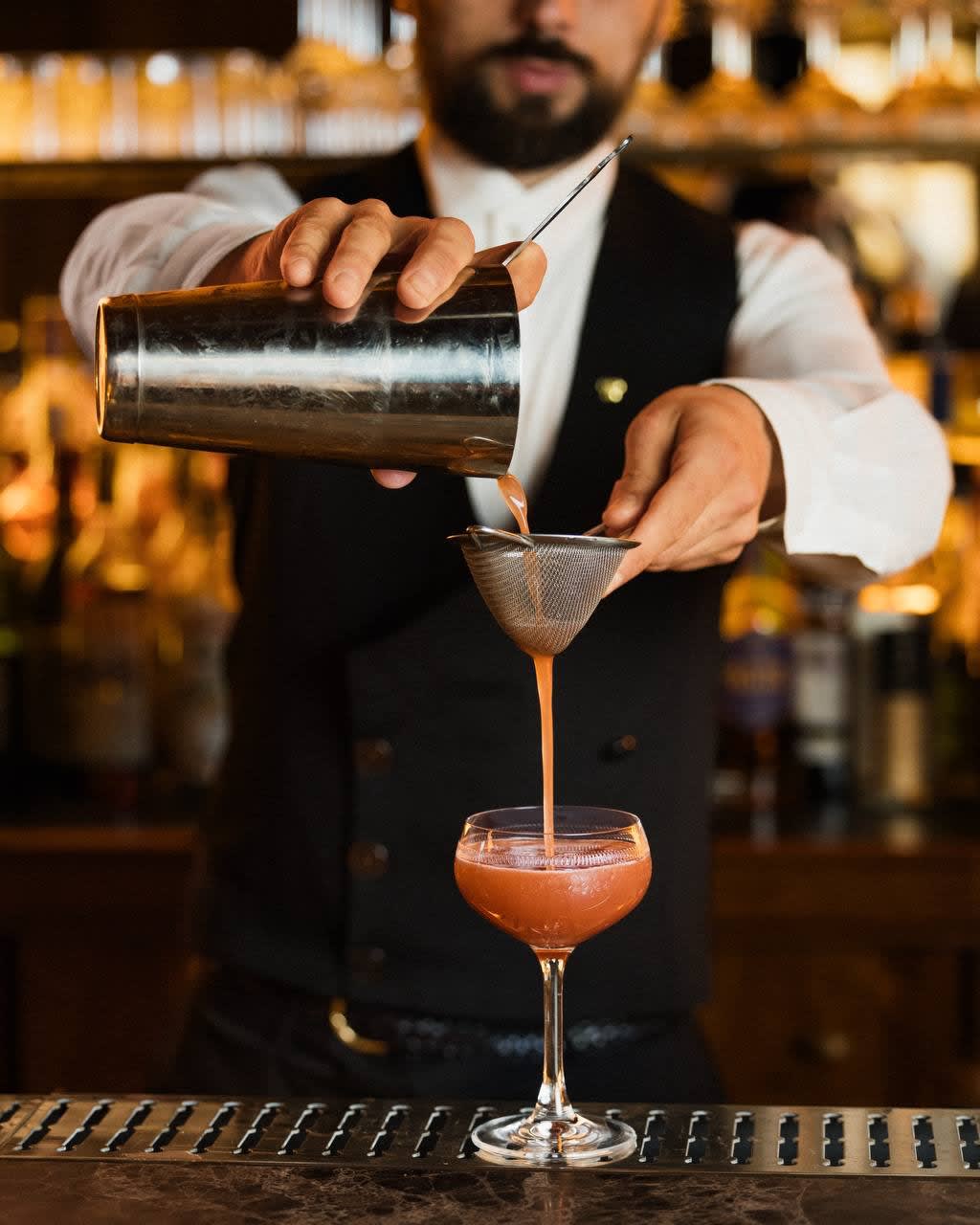
Two years after opening, the hotel is not resting on its reviews. Ongoing room and carpet refreshes keep the interiors from settling into the static perfection that kills good hotels. Winter rates from November through March centre around the real wood fireplace in the lounge, which is exactly the kind of detail that separates a hotel that understands Paris in winter from one that merely tolerates it. Changes and partnerships are in development for the bar, which suggests the evening programme is about to become more intentional than a list of classic cocktails served in a nice room.
Two-year post-opening enhancements including ongoing room/carpet refreshes. Offers special winter rates (November to March) centred around its real wood fireplace, along with a new bar concept currently in development.
Hôtel Balzac
Hôtel Balzac is not the newest hotel in Paris, nor the largest, nor the one with the most famous restaurant. It is the one that gets the details right without making a performance of it. The location, between two quiet streets, off a famous avenue. The design, by people who understand that 1930s elegance does not mean reproducing the 1930s. The spa, which dares to be Japanese in a city that usually defaults to Provençal. And the service, which listens. Balzac would have approved. He spent his final years here because it was discreet, well-located, and private. Some things, it turns out, do not change.